
Intermediate-temperature mineral leaching composite microbial system for leaching copper pyrites
A technology of compound bacteria and chalcopyrite, applied in the directions of microorganism-based methods, bacteria, and process efficiency improvement, can solve the problems of low oxygen and carbon dioxide content, negative effects of leaching efficiency, limited gas-liquid transmission, etc. Low temperature, good environmental adaptability, easy to cultivate
- Summary
- Abstract
- Description
- Claims
- Application Information
AI Technical Summary
Problems solved by technology
Method used
Image

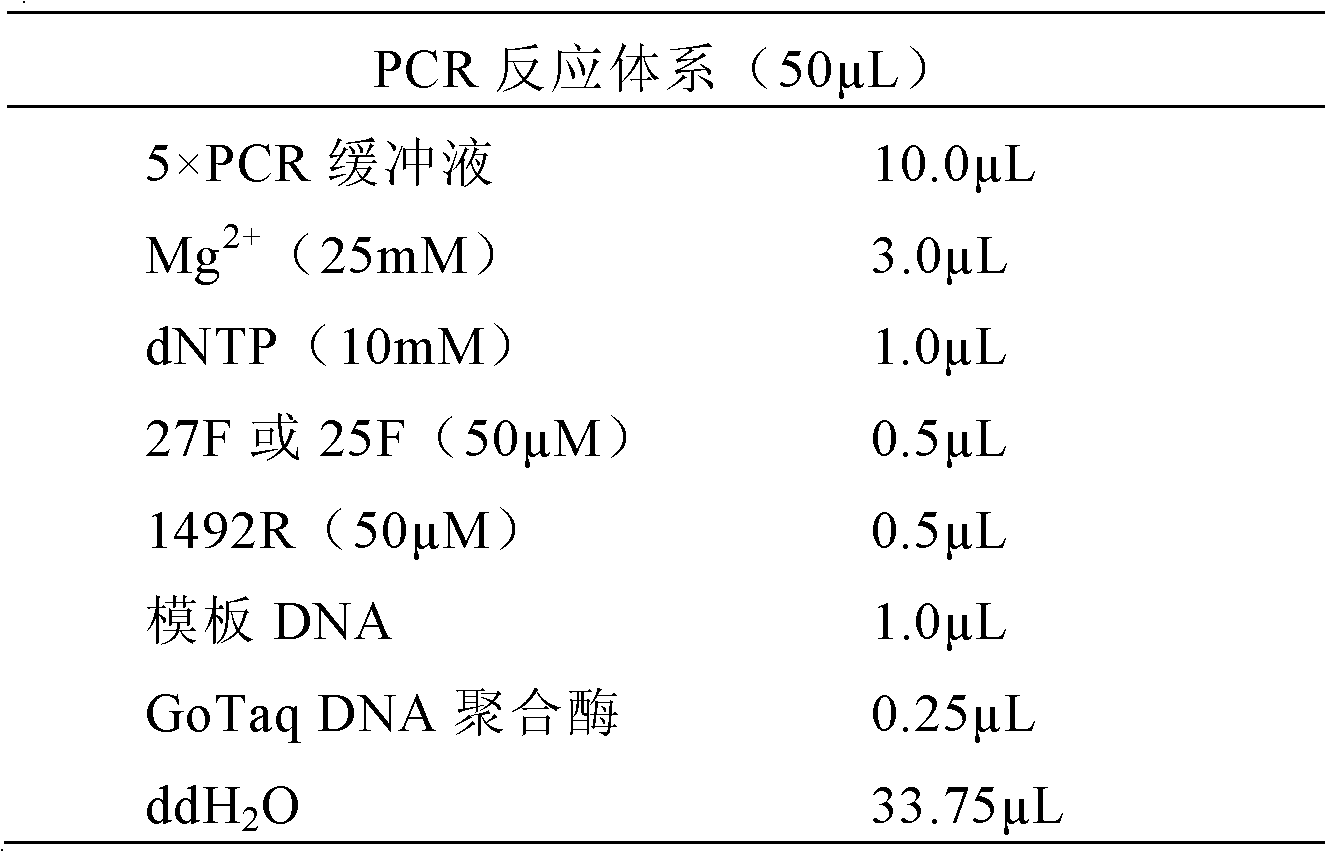
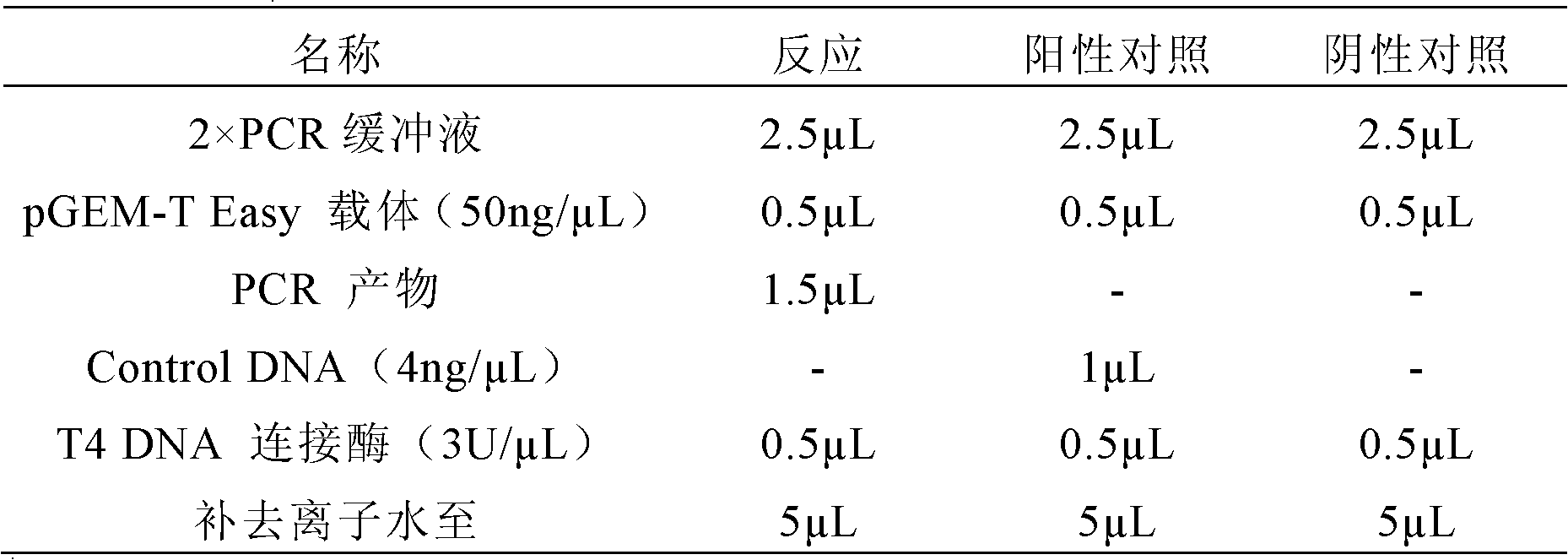
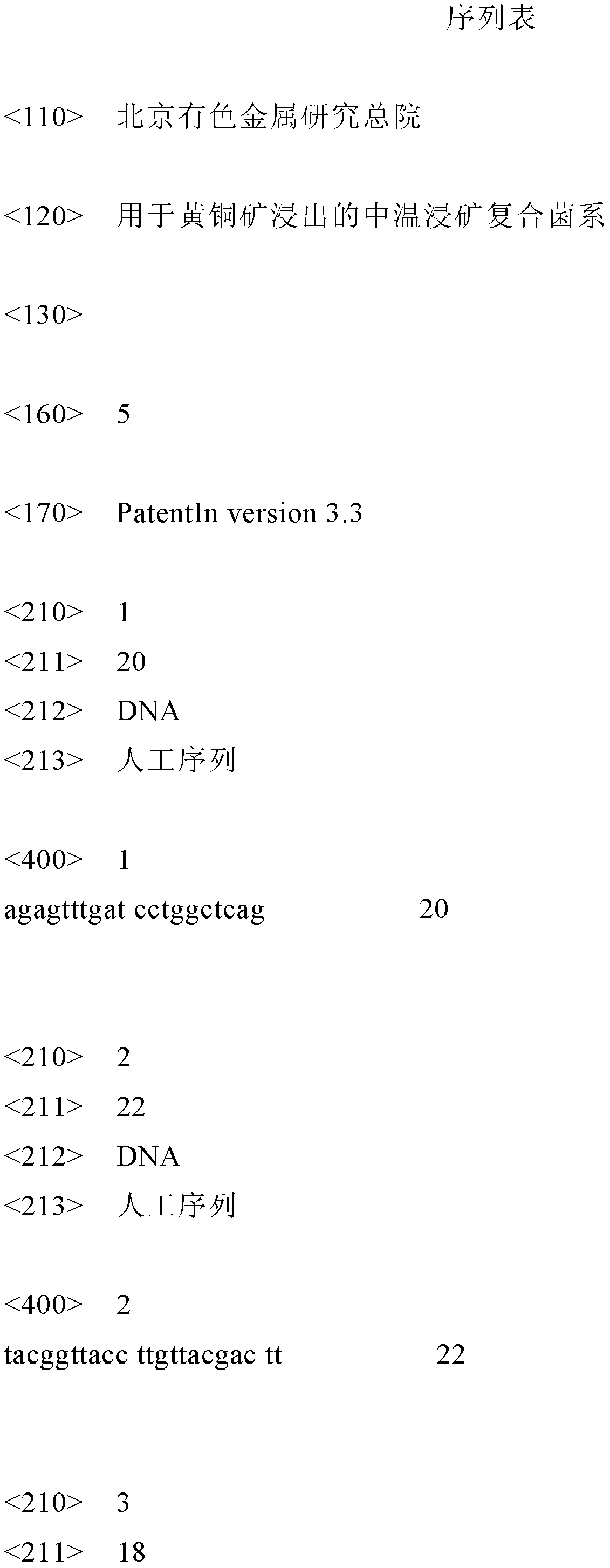
Examples
Embodiment 1
[0017] Example 1: Obtaining of the compound bacterial strain 6Y-1 in medium-temperature ore leaching
[0018] 1. Enrichment:
[0019] Take 200mL of ordinary tap water, adjust its pH to 1.7, add 0.20g of yeast powder, add 300g of ore samples from the abandoned heap leaching pile of Dexing Copper Mine, and incubate at 55°C for 24 hours.
[0020] 2. Cultivate:
[0021] Prepare 100mL medium A according to the following formula: K 2 HPO 4 1g, (NH 4 ) 2 CO 3 2g, NaHCO 3 0.5g, CaCl 2 0.2g, MgSO 4 0.8g, 1L of distilled water; adjust the pH to 1.6-1.7. Configure medium B according to the following preparation method: add 10 g of chalcopyrite ore powder to 100 mL of ordinary tap water, preferably, the particle size of chalcopyrite ore powder is 200 mesh, and adjust the pH with concentrated sulfuric acid for acid balance until the pH Stable at 1.6-1.7. Mix media A and B before inoculation. When inoculating, first add 0.1-0.15% yeast powder to the mixed medium, and then a...
Embodiment 2
[0024] Example 2: Analysis of bacterial population composition in the compound bacterial system L-A of moderate temperature leaching
[0025] 1. Extraction of total DNA
[0026] Inoculate the composite bacterial strain obtained in Example 1 into the above-mentioned mixed medium, the inoculum amount is 5% by volume, and culture at 40-50° C. for 20 hours.
[0027] Put 1 mL of the culture solution into a 1.5 mL Eppendorf tube, centrifuge at 12000 rpm at 4°C for 5 minutes to collect the bacteria, and wash the bacteria 2-3 times with 1×TES. Re-suspend the bacteria in 435 μL TES to break up the bacteria, add 125 μL of 20 mg / mL lysozyme, 2.5 μL of 10 mg / mL proteinase K, keep warm in a 37°C water bath for 4 hours, add 50 μL of 20% SDS, and incubate at 37°C Keep warm in a water bath for 30 minutes with light vibration, add 5mol / L NaClO 4 125 μL was extracted 3-4 times with an equal volume of phenol-chloroform-isoamyl alcohol (the volume ratio of the three was 25:24:1) until no prote...
Embodiment 3
[0057] Example 3: Analysis of the leaching effect of the medium-temperature ore-leaching composite bacterial system on chalcopyrite
[0058] First, the composite bacterial strain Sulfobacillus thermosulfidooxidans 6Y-1 preserved at low temperature is activated in an Erlenmeyer flask with 200mL medium; the medium is formulated according to the following formula: K 2 HPO 4 1g, (NH 4 ) 2 CO 3 2g, NaHCO 3 0.5g, CaCl 2 0.2g, MgSO 4 0.8g, yeast powder 1g, distilled water 1L. After the activated strains were centrifuged, transfer the sludge into 200mL of acid-balanced ordinary tap water containing 5% chalcopyrite ore powder. After culturing at 55°C for one week, take 50mL of the leachate, filter and detect the copper and Iron ion concentration, calculate the leaching efficiency of copper and iron. The results showed that the leaching efficiency of copper was 34.78%, and that of iron was 30.3%. This leaching efficiency is higher than that of existing mesophilic strains. ...
PUM
 Login to View More
 Abstract
Description
Claims
Application Information
 Login to View More