Abrasives for Ceramic Materials

A technology of ceramic materials and abrasives, applied in other chemical processes, chemical instruments and methods, etc., can solve the problems of weak lubricating ability of water-based abrasives, environmental pollution and high cost, and the grinding process is not smooth, so as to reduce scratches. High probability, low environmental hazard, good grinding effect

CN104152107BInactive Publication Date: 2016-08-17RESEARCH INSTITUTE OF TSINGHUA UNIVERSITY IN SHENZHEN +2
8 Cites 0 Cited by

Patent Information

Authority / Receiving Office
CN · China
Patent Type
Patents(China)
Current Assignee / Owner
Publication Date
2016-08-17
Estimated Expiration
Not applicable · inactive patent

Smart Images

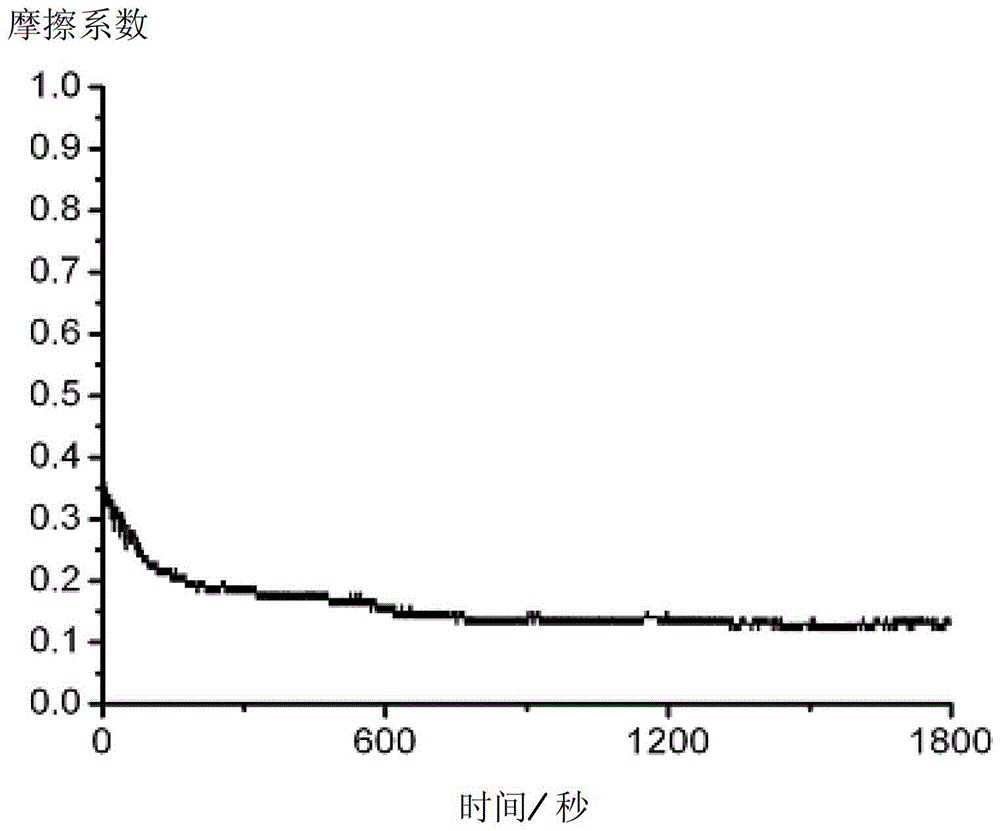
  • Figure 1
    Figure 1
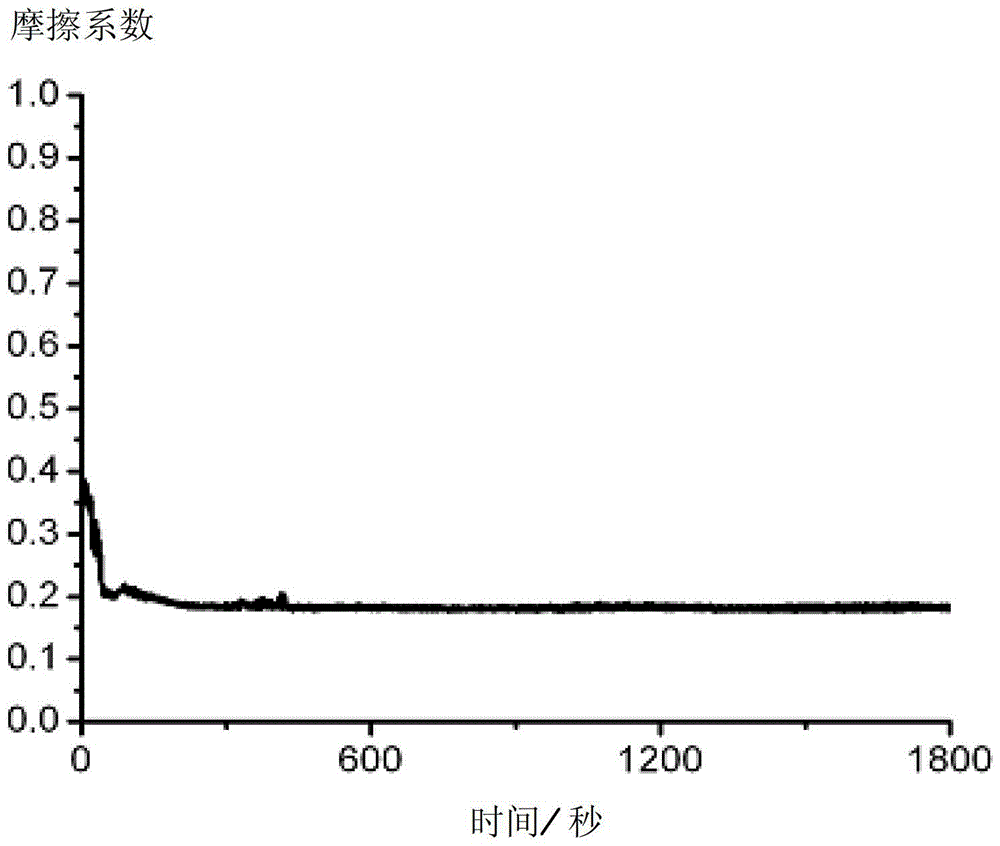
  • Figure 2
    Figure 2
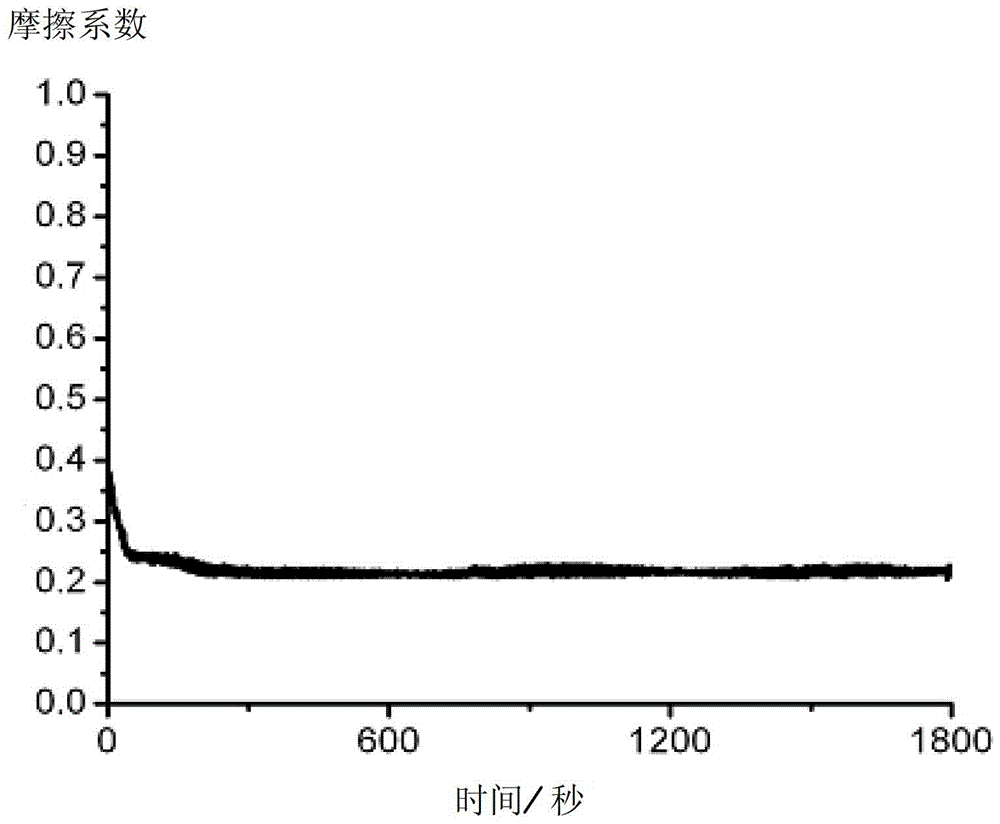
  • Figure 3
    Figure 3
Patent Text Reader

Abstract

The invention provides a grinding agent for ceramic materials. The abrasive for ceramic materials contains a film-forming agent, an auxiliary film-forming agent, abrasive particles, and water. The film-forming agent is selected from one or both of lower polyols and alcohol amines. The lower polyols are polyols with 2 to 5 carbon atoms and two or more hydroxyl groups in their molecules. The auxiliary film-forming agent is selected from one or both of borate and lithium chromate, and the abrasive particles are boride. The mass ratio among the film-forming agent, auxiliary film-forming agent, grinding particles and water is 10-30:0.2-4:0.1-3:70-90. The abrasive has an excellent grinding effect, is suitable for extreme pressure environments, and is environmentally friendly.
Need to check novelty before this filing date? Find Prior Art

Description

technical field

[0001] The invention relates to an abrasive for ceramic materials, in particular to a water-based abrasive for ceramic materials with excellent grinding effect, suitable for extreme pressure environments and environmental protection. Background technique

[0002] Ceramic materials have the advantages of high melting point, high hardness, high wear resistance, and oxidation resistance. In the machinery industry, more and more wearable parts such as seals, bearings, ball valves, and cylinder liners are made of ceramic materials. Due to the special physical and mechanical properties of ceramic materials, grinding methods are mainly used to process them. Grinding process occupies a very important proportion in the grinding method, and this link has an important impact on the processing efficiency and processing quality of ceramic material parts. During the grinding process, the grinding disc or grinding ball and the workpiece to be processed rub against each oth...

Examples

Embodiment Construction

[0017] The abrasives for ceramic materials of the present application will be described in detail below through specific examples. It should be noted that the examples are only used to illustrate the composition, content and preparation method of the abrasive, and do not limit the protection scope of the present application in any way.

[0018] The abrasive for ceramic materials described in the present application contains a film-forming agent, an auxiliary film-forming agent, abrasive particles, and water. The film forming agent is selected from one or both of lower polyols and alcohol amines, the auxiliary film forming agent is selected from one or both of borate and lithium chromate, and the abrasive particles for borides. The mass ratio among the film-forming agent, auxiliary film-forming agent, grinding particles and water is 10-30:0.2-4:0.1-3:70-90. Preferably, the mass ratio between the film-forming agent, auxiliary film-forming agent, abrasive particles and water is...