[0002]
Fruits and vegetables have
high water content and rich
nutrition, which are the main components of human dietary
nutrition. However, after harvesting, they are prone to
dehydration,
wilting, dull discoloration, and rotten deterioration. Growing
fruits and vegetables has different temperature requirements for
refrigeration. Moving
fruits and vegetables directly from natural temperature to
cold storage will directly affect the physiological activities of fruits and vegetables, causing the
skin of fruits and vegetables to
change color and taste worse. Taking watermelon as an example, as we all know, due to the storage of watermelon The time is short, so the watermelons sold in the north in winter are basically grown in greenhouses in the south, and the watermelons in the greenhouses do not have enough sunshine time, so the nutrition and taste are difficult to compare with the natural ripe watermelons of the season, and the watermelons in the south are transported from the place of origin. To the north, transportation and storage costs are naturally added to the sales cost of watermelons, resulting in high prices and poor taste of watermelons in winter, so many fruit merchants hope to store watermelons in season until winter sales, but for such high-quality watermelons and cabbage The storage of cheap vegetables and fruits requires not only a large storage space but also low storage costs, and even no operating costs, otherwise it will lead to an increase in the price of stored fruits and vegetables, a decrease in market profits, and a weakening of competitiveness. Store watermelon in a constant temperature
cold storage, the high storage cost will eventually be added to the selling price of the watermelon, not only cannot guarantee the economical rise of the watermelon, but also lead to a decline in the profit of the fruit and vegetable, making its market competitiveness weaker, Even its exorbitant storage cost will also lead to losses for the fruit merchants; the other is to store it in a normal room, but the
shelf life of the fruit and vegetable is short and cannot be stored for a long time, and in order to improve the
shelf life of the fruit and vegetable, most of the fruit and vegetable surfaces stored indoors are sprayed with
wax. Many consumers are quite repulsed by this kind of fruit and vegetable, and feel that it is unhealthy to eat; there is another kind of storage in the fruit and vegetable cellar. The fruit and vegetable cellar is usually built by digging holes in the mountains or digging holes underground and covering them with soil. The construction cost is relatively high, but the cellar The temperature inside the cellar is low and relatively constant, which is beneficial to the preservation of fruits and vegetables. Due to the limitation of the construction method and the structure of the cellar, the inner wall of most fruit and vegetable cellars is relatively humid, and when fruits and vegetables are harvested, they carry a certain amount of Microorganisms and pests, these microorganisms and pests are easy to reproduce in a humid environment, causing the fruits and vegetables in the cellar to rot and deteriorate, so the
shelf life of fruits and vegetables is usually within one month, and the gas and heat generated by newly stored vegetables and fruits need to be timely
Discharge from the cellar to prevent the corruption of vegetables and fruits. If the cellar door is opened for ventilation, there will be a
temperature difference in the cellar, which will
frostbite the vegetables and fruits near the cellar door. Due to the long winter in Northeast China, the preservation period of only one month for fruits and vegetables is still not enough. In order to meet the market demand for summer storage and winter sales, many fruit and vegetable storage companies control the environment in the cellar through various methods such as
irradiation antibacterial and
controlled atmosphere preservation to inhibit the physiological activities of fruits and vegetables. The storage environment conditions and other requirements are relatively strict. Simply using machinery and equipment to control the environment in the cellar cannot meet the needs of fruits and vegetables from the
natural environment, resulting in poor color and taste of fruits and vegetables, low
consumer satisfaction, and the air in the cellar is kept in the machinery for a long time. cycle, the number of
bacteria that grow will continue to increase, aggravating the spoilage of fruits and vegetables, which is one of the reasons why the fruit and vegetable cellars in the prior art cannot further improve the storage time of fruits and vegetables


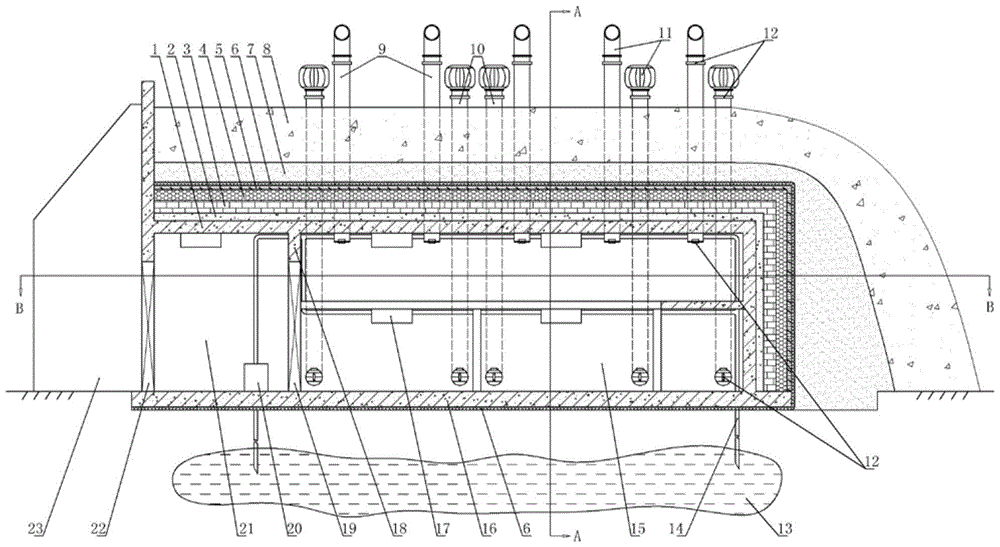
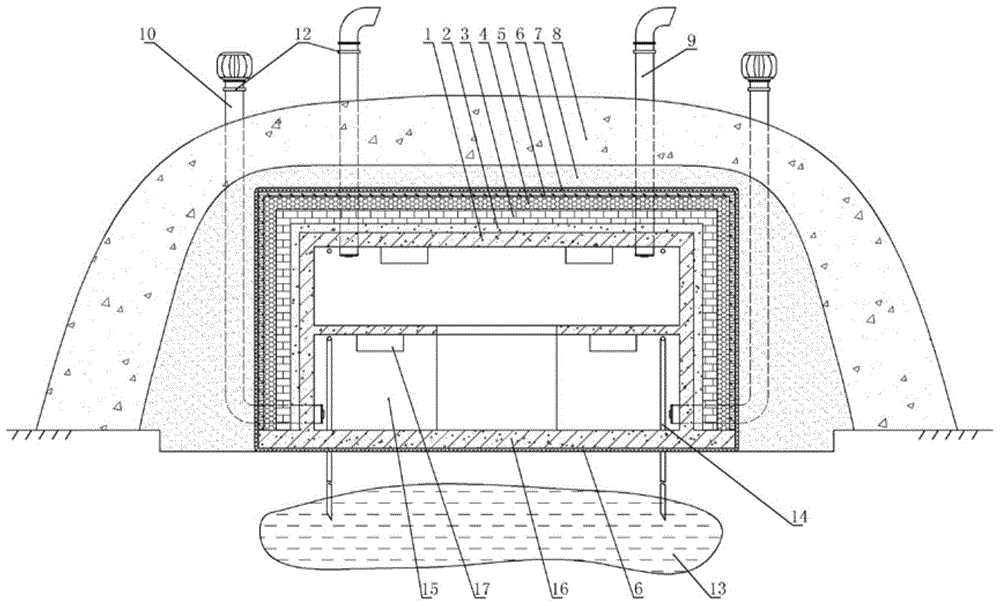
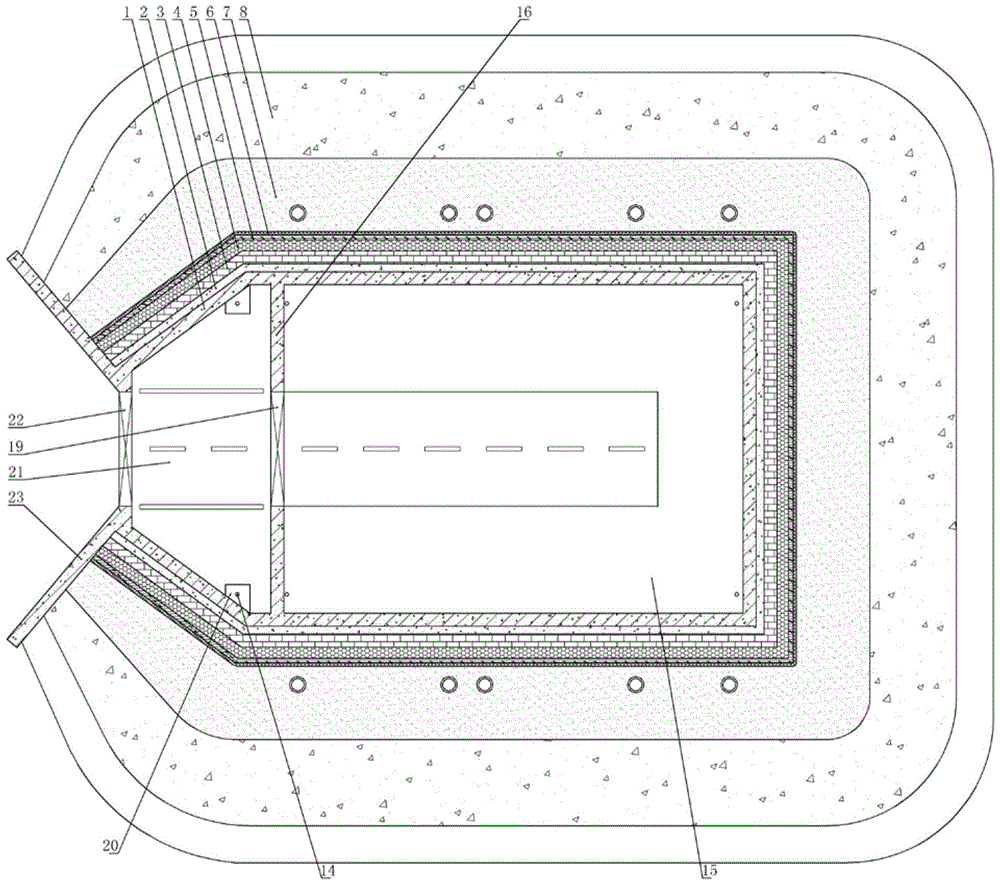
 Login to View More
  Login to View More