A kind of anther separation method suitable for stevia anther culture

A separation method and technology of stevia flowers, applied in the field of plant tissue culture, can solve the problems of difficulty in directly obtaining inbred lines and homozygous plants, separation of group traits of hybrid offspring, slowing down the breeding process of stevia, etc., and achieve a simple and efficient separation method, reduce Difficulty of operation and effect of ensuring integrity

CN106508682BInactive Publication Date: 2019-03-29INST OF BOTANY JIANGSU PROVINCE & CHINESE ACADEMY OF SCI
2 Cites 0 Cited by

Patent Information

Authority / Receiving Office
CN · China
Patent Type
Patents(China)
Current Assignee / Owner
Publication Date
2019-03-29
Estimated Expiration
Not applicable · inactive patent

Smart Images

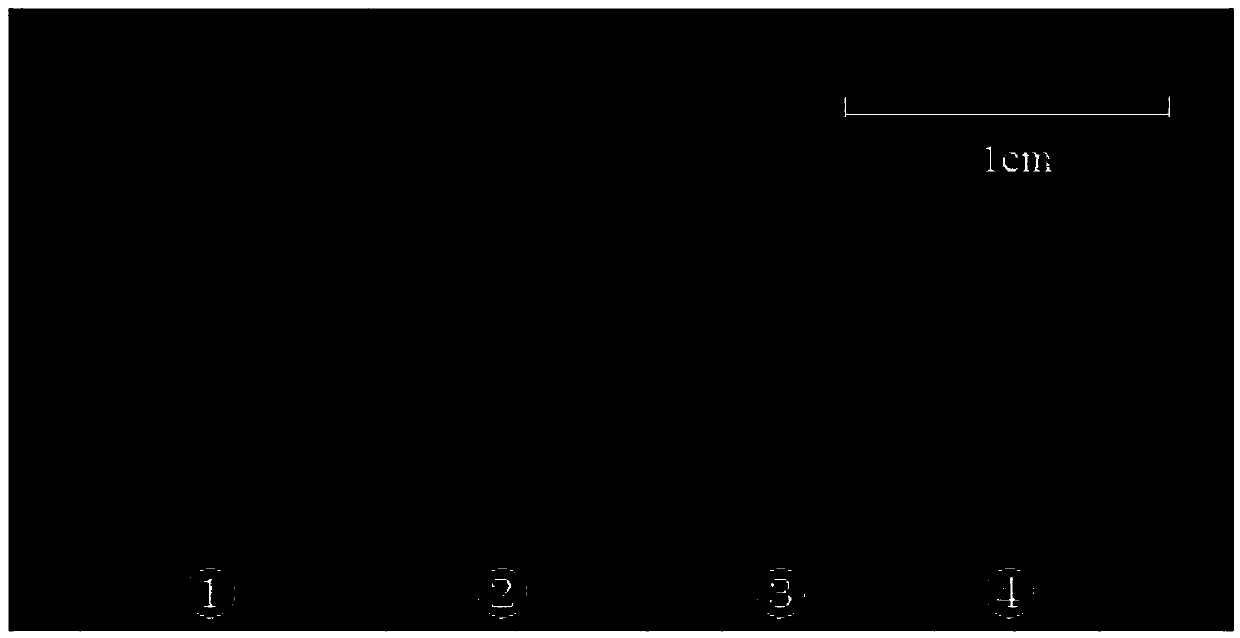
  • Figure 1
    Figure 1
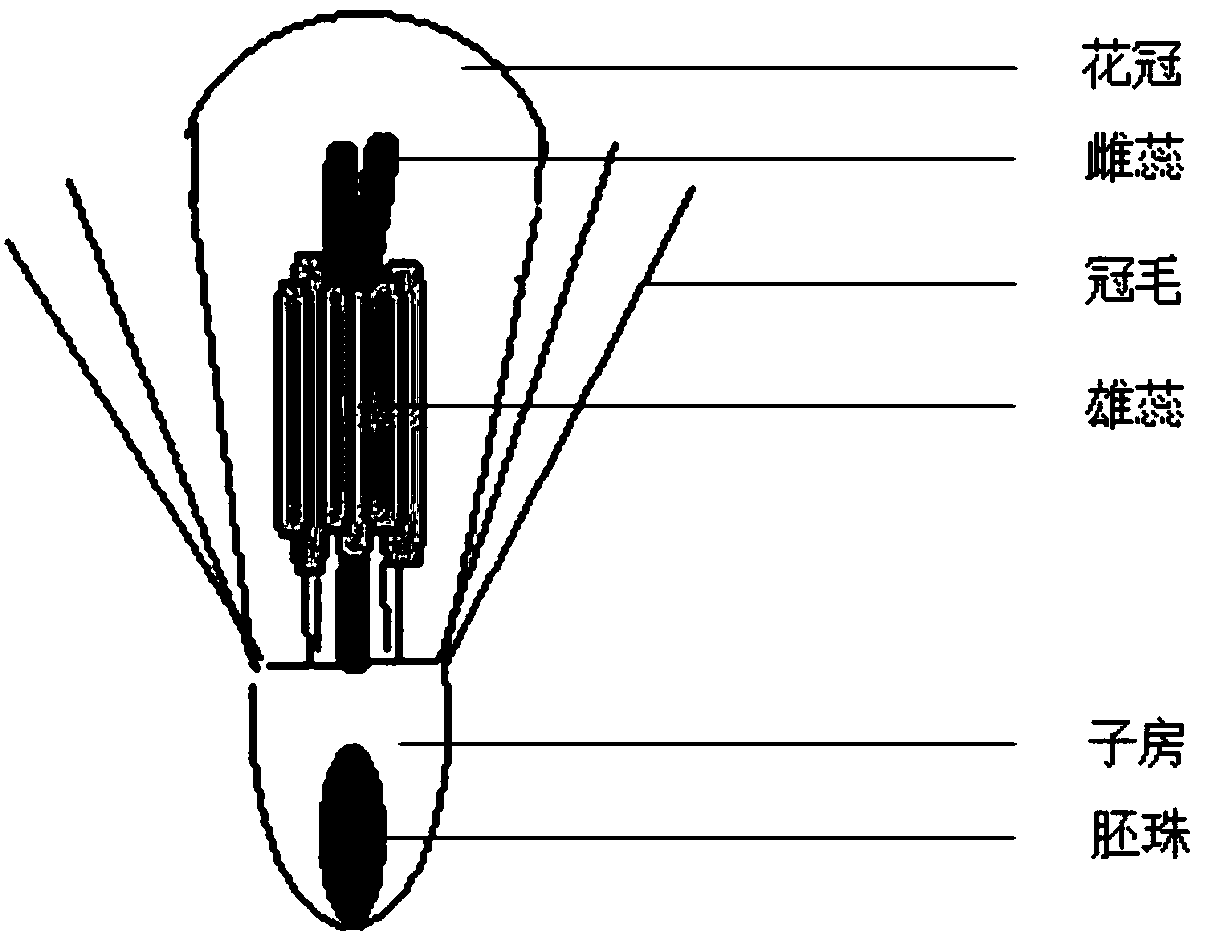
  • Figure 2
    Figure 2
Patent Text Reader

Abstract

The invention discloses an anther separation method suitable for stevia rebaudianum anther culture, and belongs to the technical field of plant tissue culture. The method mainly comprises the following steps: collecting capitula with a suitable size in the bud stage of stevia rebaudianum, disinfecting the capitula with 75% ethanol under an aseptic condition for 30 s, immersing the disinfected capitula in 1% mercuric chloride for 3-4 min, cleaning the immersed capitula with sterile water 3-4 times, adding the capitula into a sterile filter paper paved culture dish, airing the capitula, selecting buds from the capitula by using tweezers, placing the selected capitula on the finger pulp of a left index finger, piercing the tops of the corollas of the buds by a dissecting needle held by a right hand, and carrying out rolling extrusion on the corollas from the basal part to the top by using the dissecting needle in order to extrude anthers which are complete and directly used for in vitro culture. The method for separating the anthers from the minimal buds of stevia rebaudianum, with the length of about 2 mm, is disclosed in the invention, and has the advantages of simplicity, rapidness, maintenance of the completeness of the anthers, increase of the separation success rate, and effective reduction of the pollution in the anther culture.
Need to check novelty before this filing date? Find Prior Art

Description

technical field

[0001] The invention belongs to the technical field of plant tissue culture, and in particular relates to a method for isolating stevia (Steviarebaudiana Bertoni) plant anthers, which can be used for the research on in vitro culture of stevia anthers to induce haploid plants. Background technique

[0002] Stevia (Stevia rebaudiana Bertoni) is an emerging natural high-sweetness and low-calorie sugar source plant. The research on its germplasm resources and the cultivation of new fine varieties are very important to the development of stevia industry. Because Stevia has the characteristics of cross-pollination and self-incompatibility, its self-seed setting rate is extremely low, and due to the complex genetic background, the population traits of hybrid offspring are significantly separated, and it is difficult to directly obtain inbred lines and homozygous plants. Slowed down the stevia breeding process.

[0003] Inducing plant megaspores and microspores to o...

Examples

Embodiment 1

[0022] The present invention is a method for separating anthers suitable for stevia anther culture, comprising the following steps:

[0023] (1) Preparation of sterile petri dish: spread 3-4 pieces of filter paper in a clean petri dish, wrap it with newspaper, and sterilize it according to the conventional high temperature and high pressure sterilization method for future use.

[0024] (2) Inflorescence collection: Yu Stevia (variety 'Zhongshan No. 5', see Breeding of a new variety of Stevia glycoside Zhongshan No. 5 - "China Sugar" 2015 Issue 04) During the full flowering stage, the bracts are tightly closed and the flower buds are about 2 mm long. In a dish, store in a 4°C refrigerator for later use.

[0025] (3) Disinfection of inflorescences: In an ultra-clean workbench, first sterilize the inflorescences with 75% ethanol for 30 seconds, soak them in 1% mercuric chloride for 3-4 minutes, then wash them with sterile water for 3-4 times, and then sterilize the inflorescenc...