[0002]
Plastic waste is one of the common wastes in
daily production and life. Due to the difficulty of degradability of plastic waste, the current methods of dealing with plastic waste mainly use landfill, burning, and cracking; the landfill method is to buy plastic waste into the ground, By its
natural degradation, this method takes a long time, has a great
impact on the environment, and occupies land; the burning method is to burn plastic waste, or burn it together with other waste or materials as power generation or other heat sources. After burning, a large amount of
toxic gas will be produced, which will cause secondary
pollution to the environment; the cracking method is to put plastic waste into the cracking furnace, decompose the plastic again, and produce
petroleum substances after
decomposition, which can be reused as fuel or other raw materials; In the existing
pyrolysis treatment method, there are the following problems. First, the existing complete continuous
pyrolysis equipment has requirements for the composition of the plastic in the plastic waste, that is to say, the consistency of the plastic species in the plastic waste is required to be good. The proportion of plastic components needs to reach more than 85%, which can be achieved for countries or regions that do a good job in waste classification, but it is difficult for countries or regions that do not do a good job in waste classification or do not do it meticulously; if not If such composition requirements can be met, the existing
pyrolysis equipment cannot realize the pyrolysis of plastic waste, and the equipment will not work at least, and the equipment will explode at worst; moreover, for the treatment method of discontinuous pyrolysis, a large amount of waste will be generated during the pyrolysis process. Toxic gases will still be discharged into the
atmosphere, causing secondary
pollution to the environment. At the same time, these toxic gases will produce
strong acids when they meet water, which will cause serious
corrosion of equipment and shorten the service life of equipment; third, due to the presence of different plastic components in cracking, cracking The temperature can only adapt to the pyrolysis temperature of a certain type of plastic, and it is impossible to crack the plastic waste in one pyrolysis furnace. At the same time, it is necessary to sort the plastic types, and the residue after pyrolysis is easy to stick to the furnace wall, causing damage to the cracking furnace. At the same time, cleaning the residue on the furnace wall will also cause secondary pollution to the environment; fourth, the existing plastic waste is sorted by crushing the plastic waste, which consumes a lot of energy and causes energy waste
[0003] In order to solve the above problems, the applicant submitted a Chinese invention
patent application with the application number "201710473189X" and the title "A
Plastic Waste Treatment System". The plastic
waste treatment system disclosed in this
patent application can realize continuous
processing of multi-component plastic waste. cracking, and does not discharge any
solid, liquid and gas that pollutes the environment during the cracking process, which realizes the comprehensive utilization of plastic waste and saves energy. The
wind force generated during the rotation sends the plastic waste from the plastic discharge port into the conveying equipment of the plastic
waste treatment system, but there is a certain distance between the feeding wheel and the plastic discharge port in the existing sorting equipment , the transportation of plastic waste depends entirely on
wind power. Once the speed of the feeding wheel decreases or the
wind force decreases due to the wear of the
air blower, the material will not be transported to the plastic discharge port, causing the material to fall back into the shell of the sorting equipment and accumulate in the shell. , further increase the rotation resistance of the feeding wheel and the sorting wheel, increase the friction between the feeding wheel and the sorting wheel and the material, and aggravate the wear



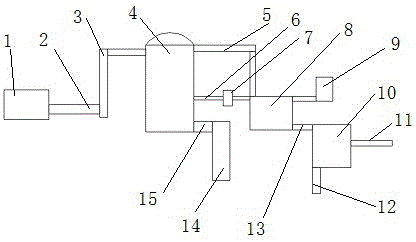
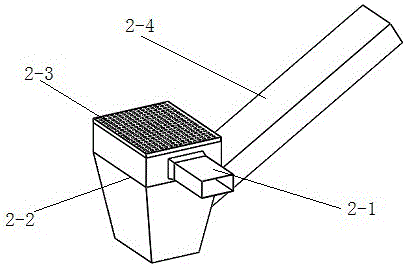
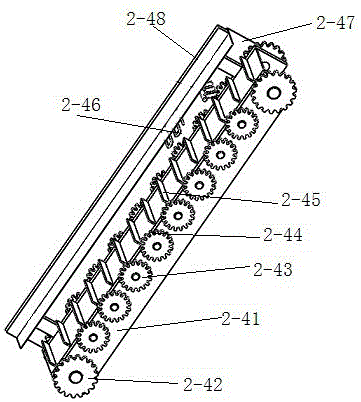
 Login to View More
  Login to View More