
Pleuroperitoneal fluid type organ culture medium and method and drug sensitive testing method
A culture method and culture medium technology, applied in the field of organoid culture, can solve the problems of non-cancerous pleural effusion organoid culture methods, differences, operability and good repeatability, and achieve the maintenance of tissue cell specificity and mild effect Effect
- Summary
- Abstract
- Description
- Claims
- Application Information
AI Technical Summary
Problems solved by technology
Method used
Image

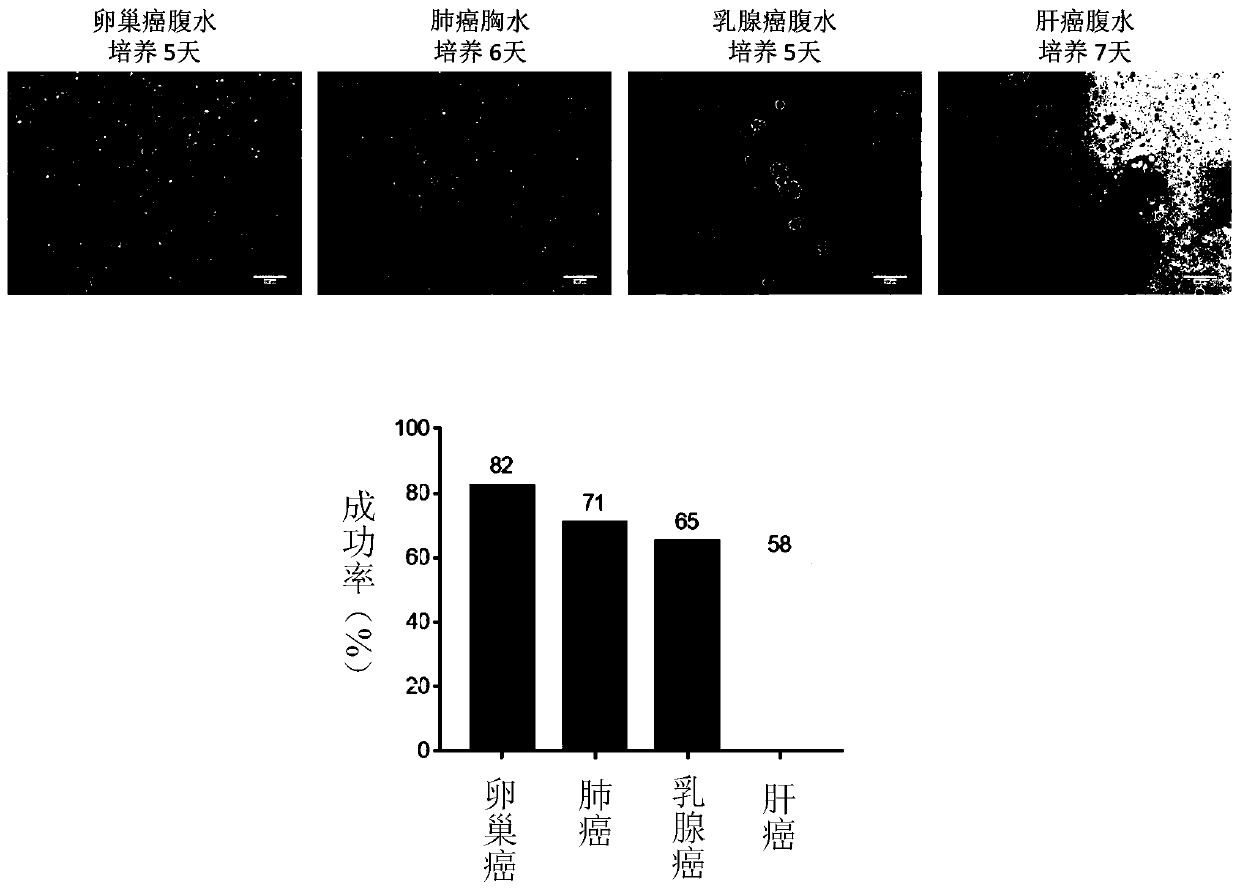
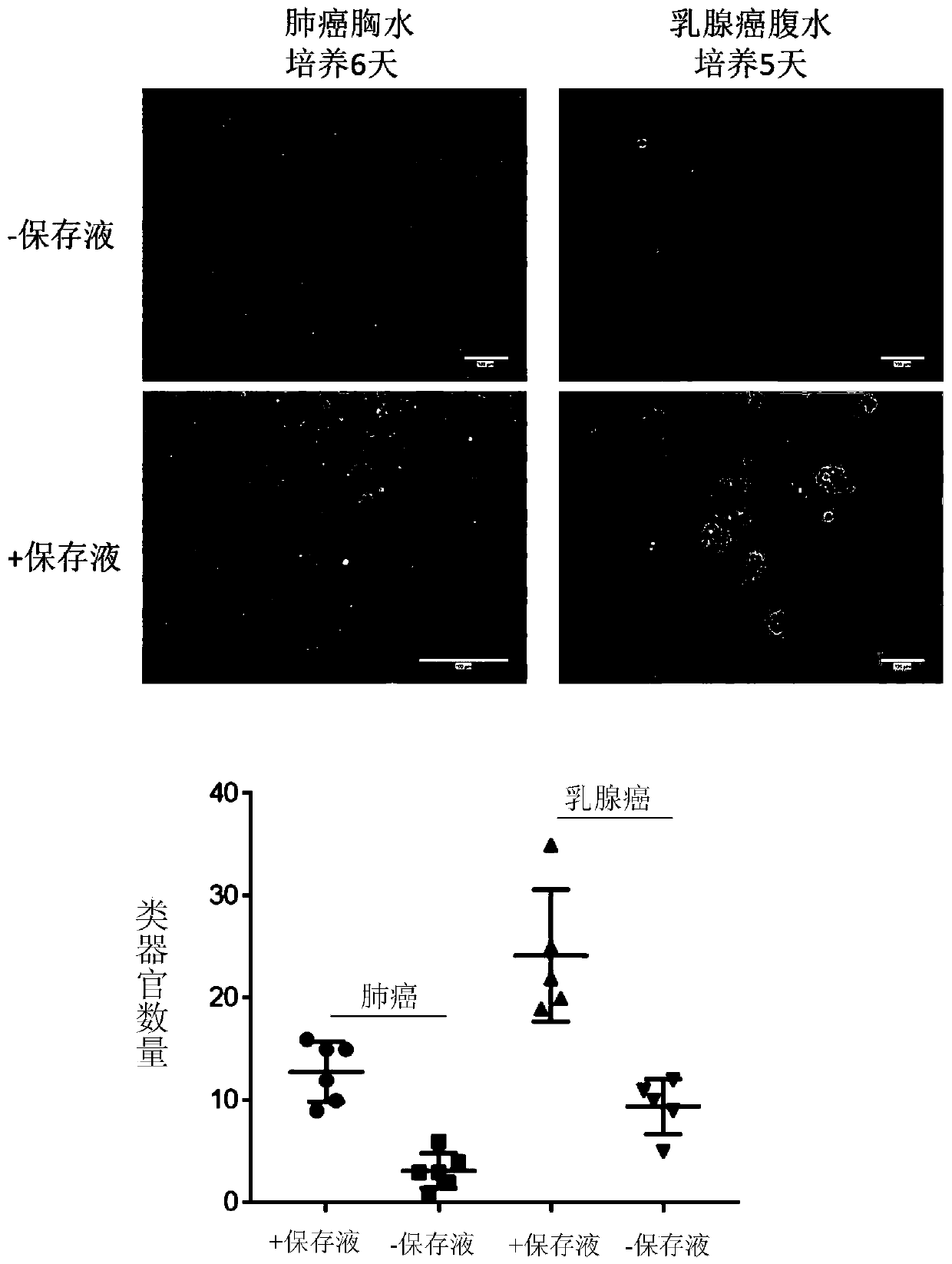
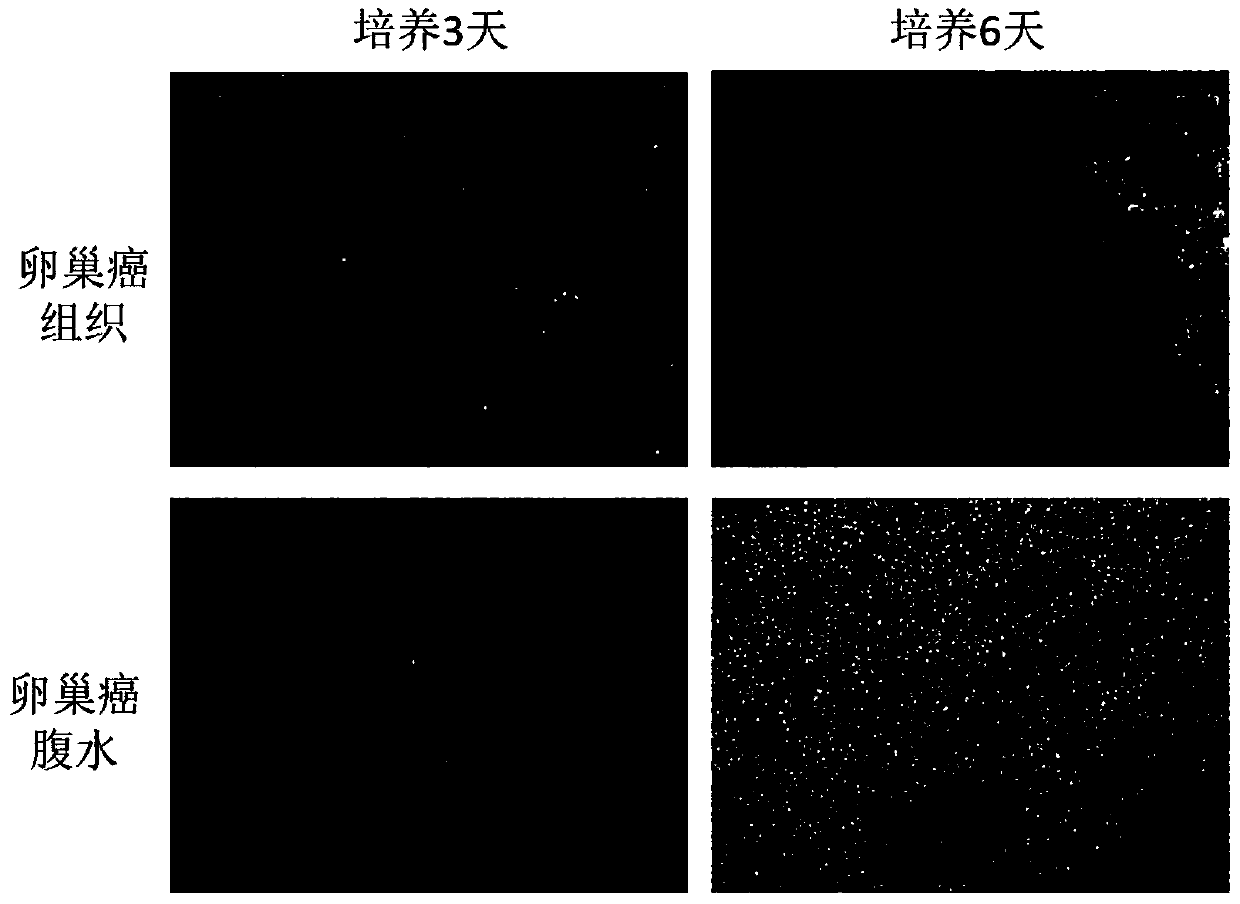
Examples
Embodiment 1
[0043] A culture medium component of pleural fluid organoids, the content of each component is as follows: B27, 50X dilution; N-acetylsteine, 2.5mM; EGF, 10ng / ml; Noggin, 100ng / ml; R-spondin 1, 500ng / ml or 30 % Conditioned medium; A83-01, 500nM; FGF10, FGF2, 25ng / ml; Nicotinamide, 10mM; Y-27632, 10μm; Prostaglandin E2, 1μM; SB202190, 10μm;
Embodiment 2
[0045] A preservation solution for pleural and ascites, the content of each component is as follows: B27 (0.5x), Hepes (5mM), dispase II (0.1%), EGF (10ng / ml), N2 (0.5x), Nicotinamide (5mM), Y- 27632 (5 μM), A83-01 (0.5 μM) and SB202190 (5 μM).
Embodiment 3
[0047] After the organoids are cultured, the composition of the digestive juice for collecting and digesting the organoids is DMEM / F12 containing 0.1% trypsin, 0.2% dispaseⅡ, 0.1% collagenaseⅢ, insulin 2.5μg / ml, Hepes0.5M, EGF 10ng / ml.
PUM
 Login to View More
 Abstract
Description
Claims
Application Information
 Login to View More