Consequently, a message cannot be examined for arguments without interpreting the message with respect to a particular encoding.
However, the analogy is not perfect because the encodings have been designed to support the data structures found in a variety of languages, and because they have been designed to support the translation of data between a variety of platforms.
However, DCE remains non-self-describing, since the services of IDispatch are expressed in the same non-self-describing encoding in which all other service invocations of the protocol are expressed.
Additional effort is required because to invoke a single self-describing service the developer must write
software that conforms to the IDispatch protocol.
Finally, IIOP and DCE are complex because they are designed to provide the union of the features found in a wide variety of
programming languages.
Traditional
middleware implementations are based on the IIOP and DCE protocols and consequently suffer from the following drawbacks: Because the encodings are generic, translation
software is required to allow RPC messaging between a program that uses a specific encoding and a program that uses a generic encoding.
These factors limit the
accessibility of messages expressed in the IIOP and DCE encodings, since the translation
software must exist, and since one must have translation software on hand to access the messages.
Because these encodings are non-self-describing, programs can't extract and selectively process the data items of an arbitrary message without first being specifically configured to recognize the particular kind of message.
Finally, if a message-generating program changes the format of a non-self-describing message, the message-consuming programs must also change their knowledge of that message, since otherwise the these programs would not be able to extract and identify the data items found in the message.
Because the IIOP and DCE protocols are stateful, the protocols are not well-suited for messaging using HTTP, since HTTP is a
stateless protocol.
Under this mechanism, the
client maintains the state information, which means that
client-provided state information cannot be trusted to belong to the same
client over time, unless the client connects through an authenticated connection.
Because these protocols are bi-directional, the protocols are not well-suited for messaging using HTTP, since HTTP is unidirectional.
Administrative and security requirements normally make it undesirable to configure a client as an HTTP
server.
Because the encodings are intended to bridge applications written in almost any two
programming languages on almost any two platforms, the encodings are proportionately complex.
This approach also complicates the tools that manipulate messages expressed in these encodings.
Because of the complexity of the IIOP and DCE protocols, implementations from two different vendors are generally incompatible.
The CORBA 2.0 specification has mitigated this problem to a large degree, but it has not eliminated it completely.


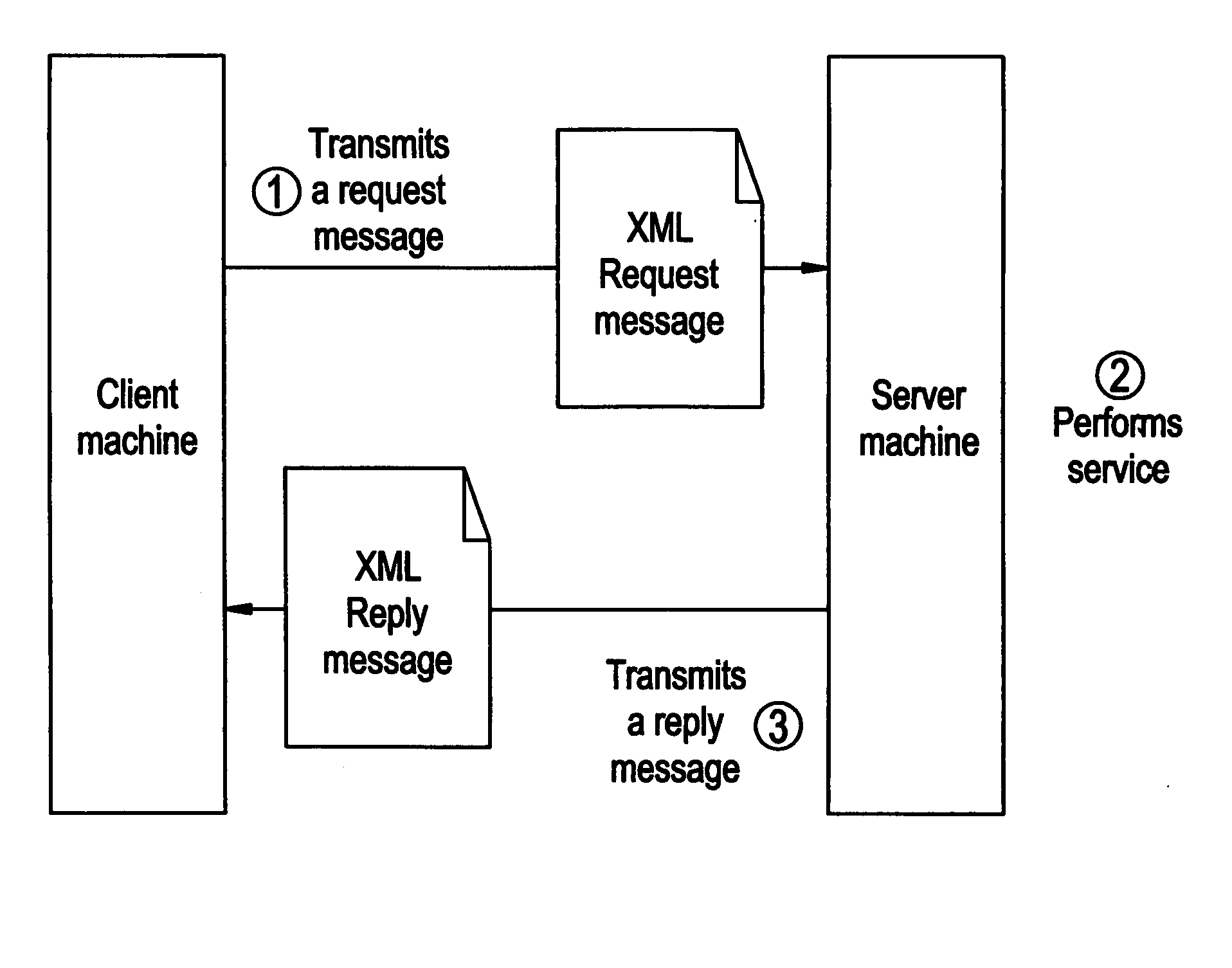
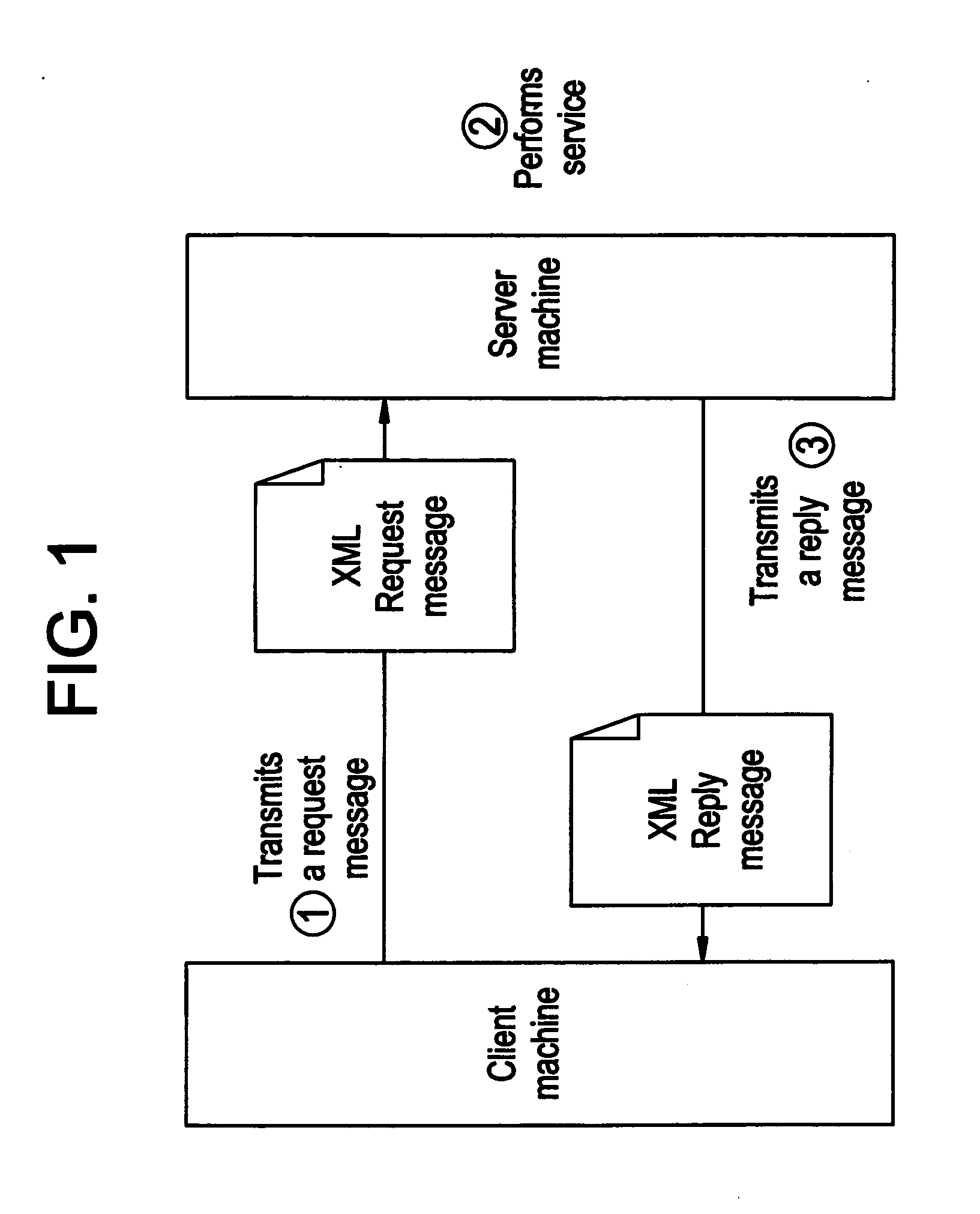
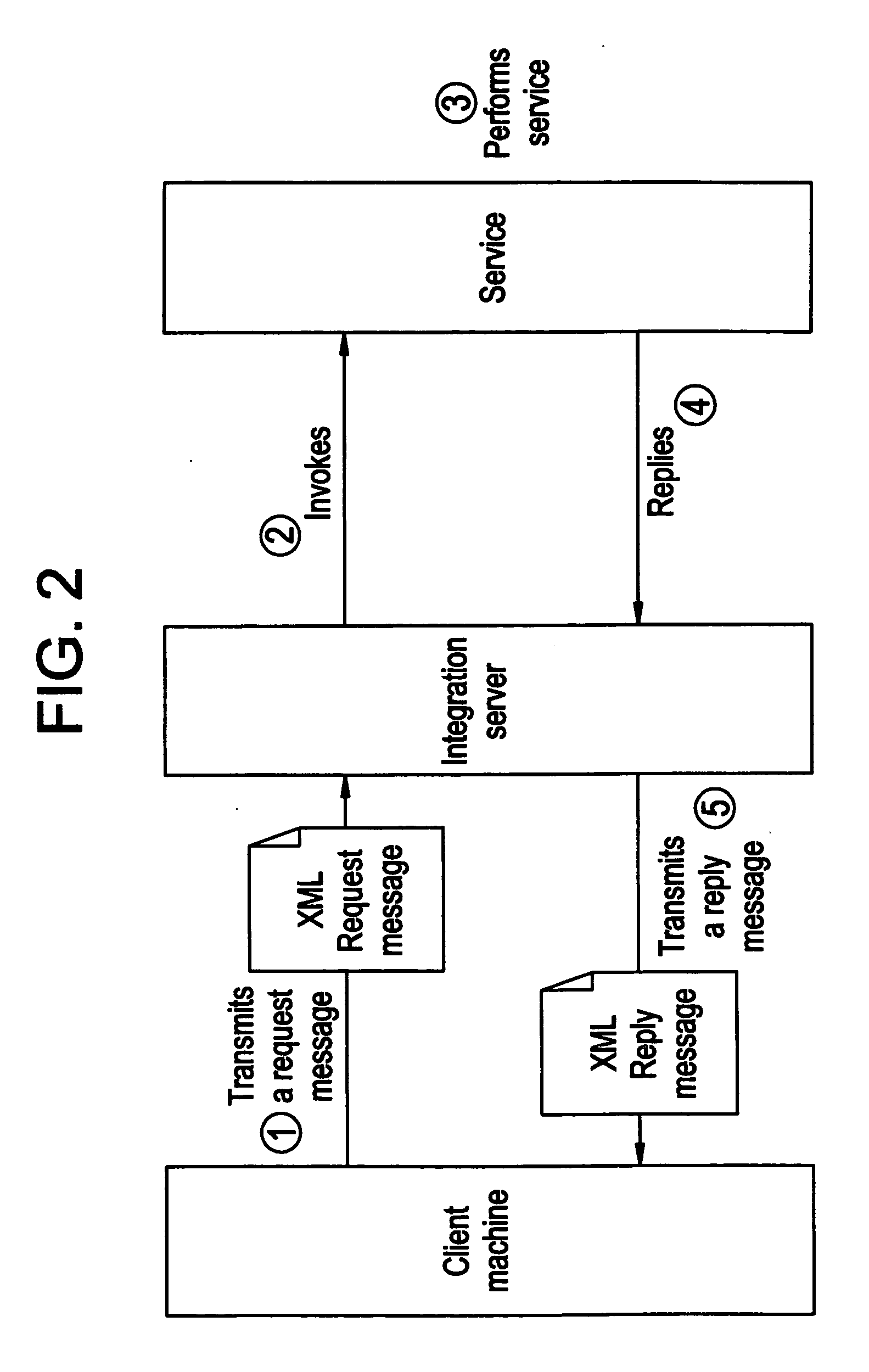
 Login to View More
  Login to View More