Polymer control system

US20070090060A1Active Publication Date: 2007-04-26CHEMTRAC

Patent Information

Authority / Receiving Office
US ¡ United States
Current Assignee / Owner
CHEMTRAC
Publication Date
2007-04-26

Smart Images

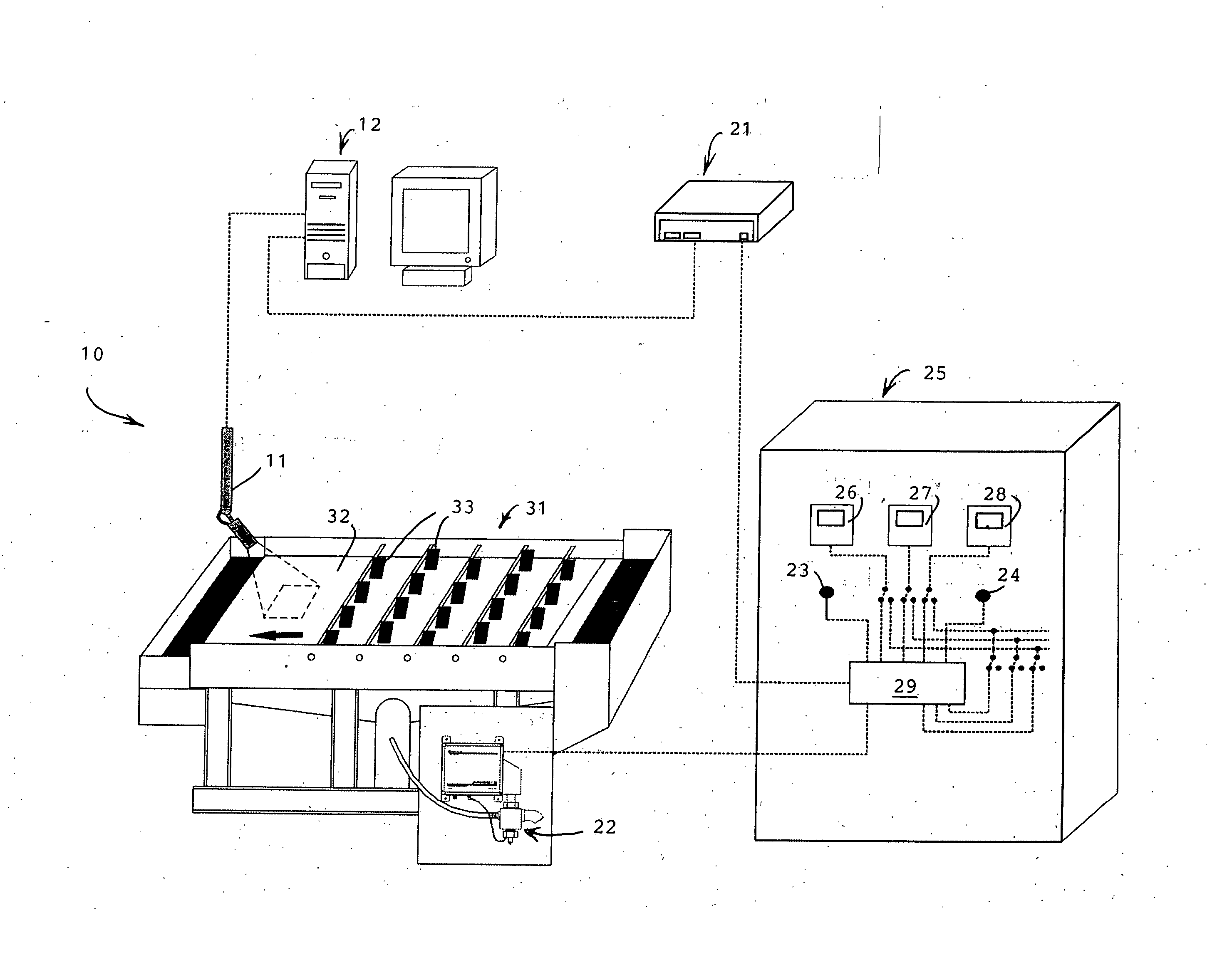
  • Figure 1
    Figure 1
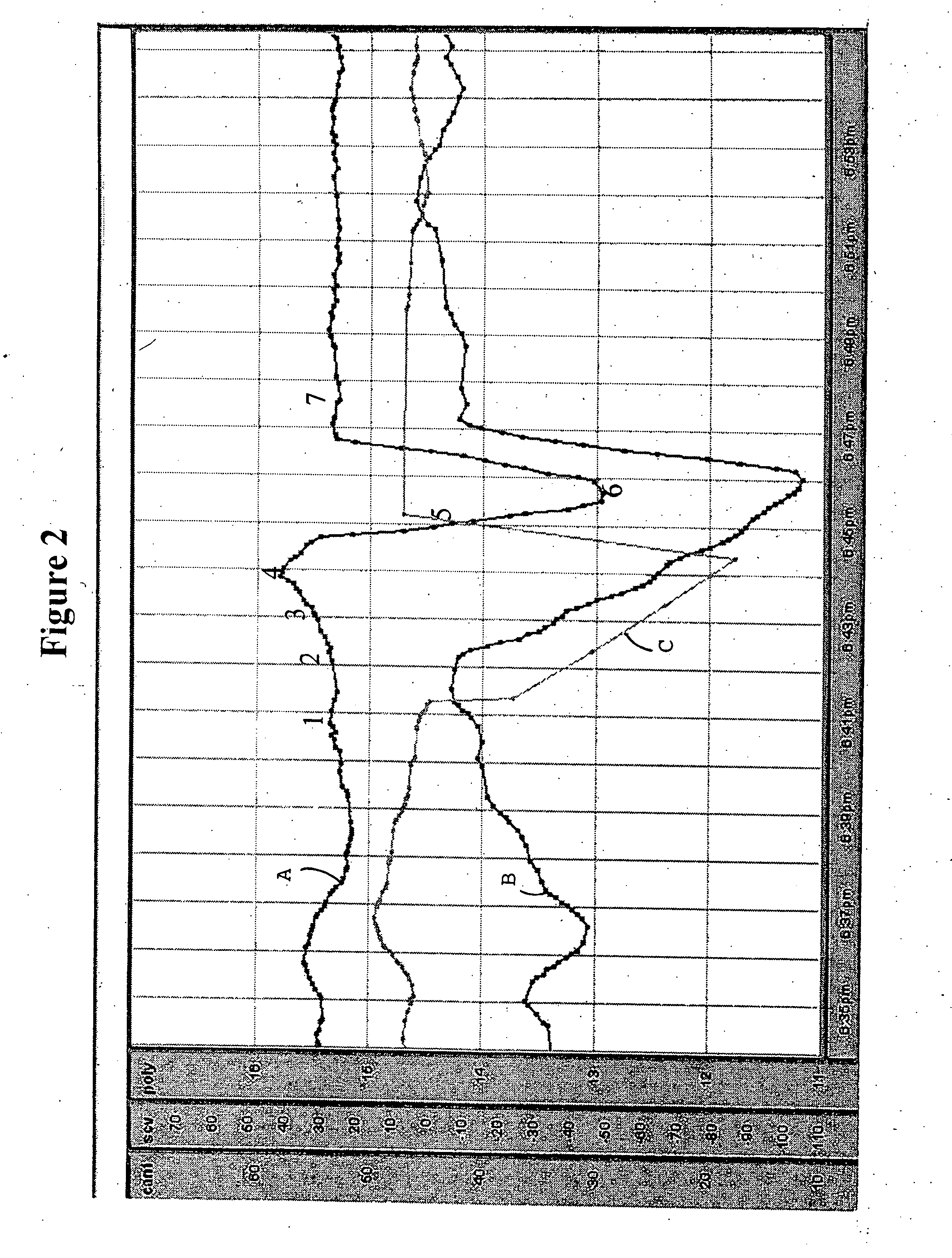
  • Figure 2
    Figure 2
  • Figure 3
    Figure 3
Patent Text Reader

Abstract

A feedback control for a polymer dispensing system, which otherwise continuously adjusts the polymer feedrate so as to keep the measured streaming current of filtrate from a sludge dewatering process at one predetermined setpoint. The feedback control includes a video camera focused on sludge as it trails behind plows on a dewatering belt, a video image processing system for converting the video signal into single numbers known as “camera readings”, and a computer programmed both to compare them with a “camera reading” setpoint and to determine whether the filtrate charge is more positive or more negative than it normally is whenever the “camera reading” deviates from its setpoint by a threshold amount. A controller, activated by the computer, incrementally resets the polymer feedrate in such a direction as to restore the normal cationic charge of the filtrate. The feedback control uses the streaming current value measured immediately after each “camera reading” excursion to update the streaming current setpoint.
Need to check novelty before this filing date? Find Prior Art

Description

BACKGROUND OF THE INVENTION

[0001] The present invention relates to apparatus for detecting the degree of wetness of sludge as it is being dewatered on a gravity belt thickener, belt press or the like and to controls, based on streaming current monitoring technology, for adjusting polymer dosage, on-line, in wastewater treatment processes.

[0002] In the prior art, optical devices, including a video camera focused on a fixed portion of a sludge dewatering belt, have been used to identify the exact moment at which the wetline on the belt crosses a given point. Typically, this point is located after the last row of dewatering plows; and the movement of the wetline into the camera's viewing range signals that there has been a sudden change-in process conditions causing the sludge to become wet.

[0003] Previously, the video camera has been used to track visually the onset of sludge dewatering systems washouts. When the sludge cake becomes wet, there are less distinct trails behind the pl...

Claims

the structure of the environmentally friendly knitted fabric provided by the present invention; figure 2 Flow chart of the yarn wrapping machine for environmentally friendly knitted fabrics and storage devices; image 3 Is the parameter map of the yarn covering machine
Login to View More