
Cellulose acylate film, process for producing cellulose acylate film, polarizing plate and liquid crystal display device
a technology of cellulose acylate film and polarizing plate, which is applied in the direction of instruments, other domestic objects, transportation and packaging, etc., can solve the problems of increasing haze, increasing haze, increasing haze, etc., and achieves small viewing angle dependence of contrast, high front contrast, and high image quality.
- Summary
- Abstract
- Description
- Claims
- Application Information
AI Technical Summary
Benefits of technology
Problems solved by technology
Method used
Image

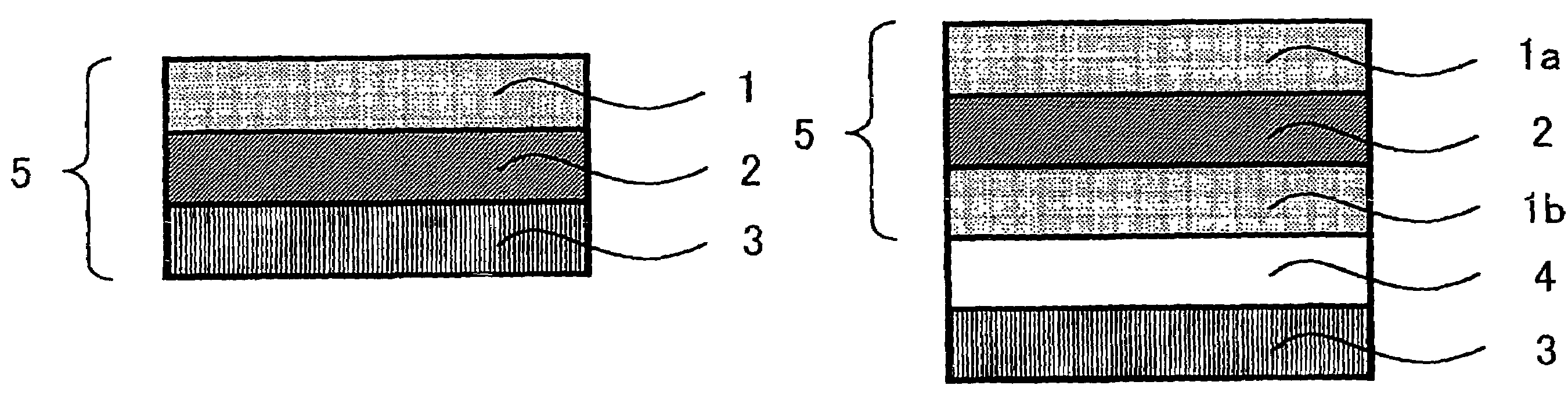
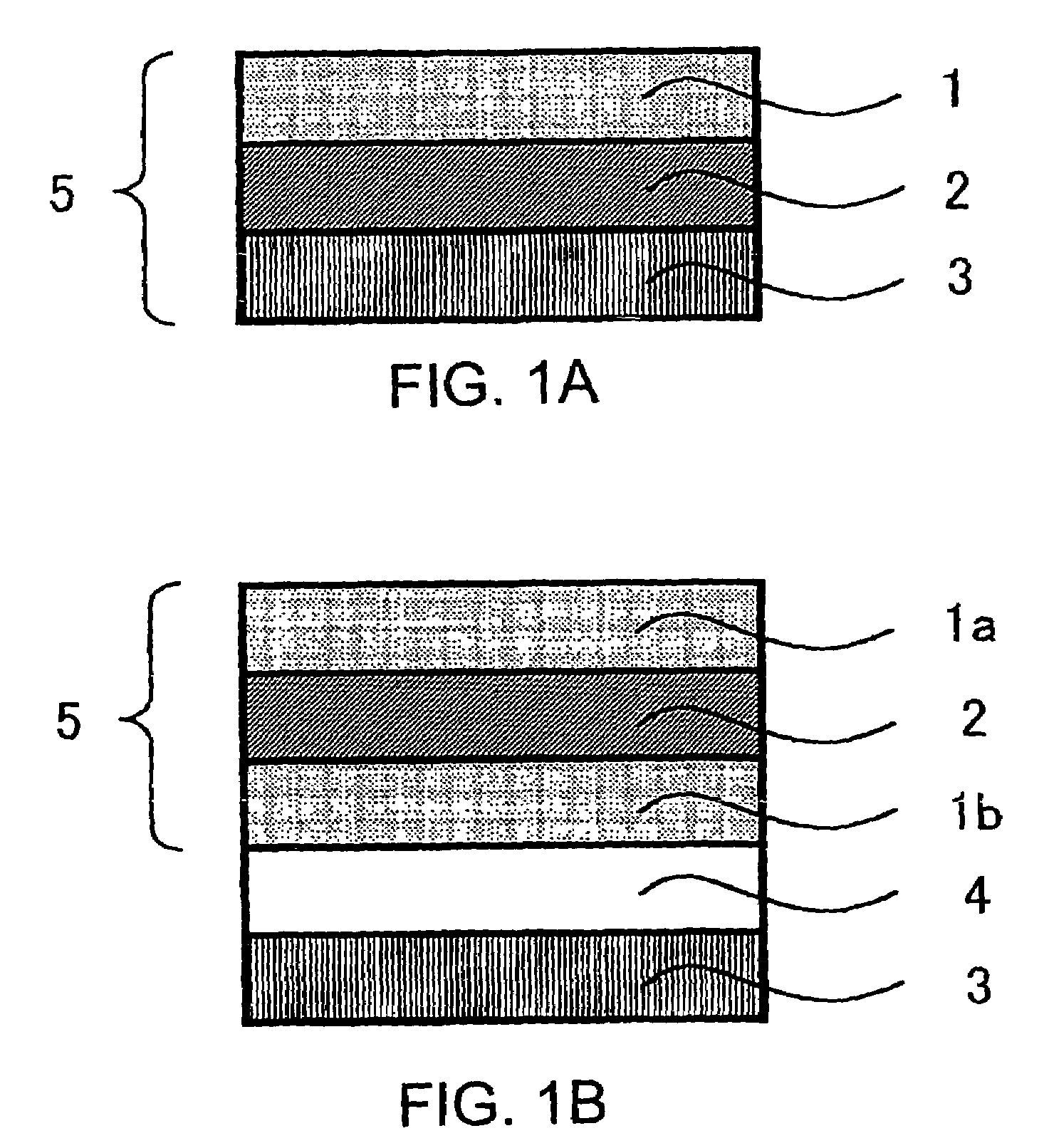
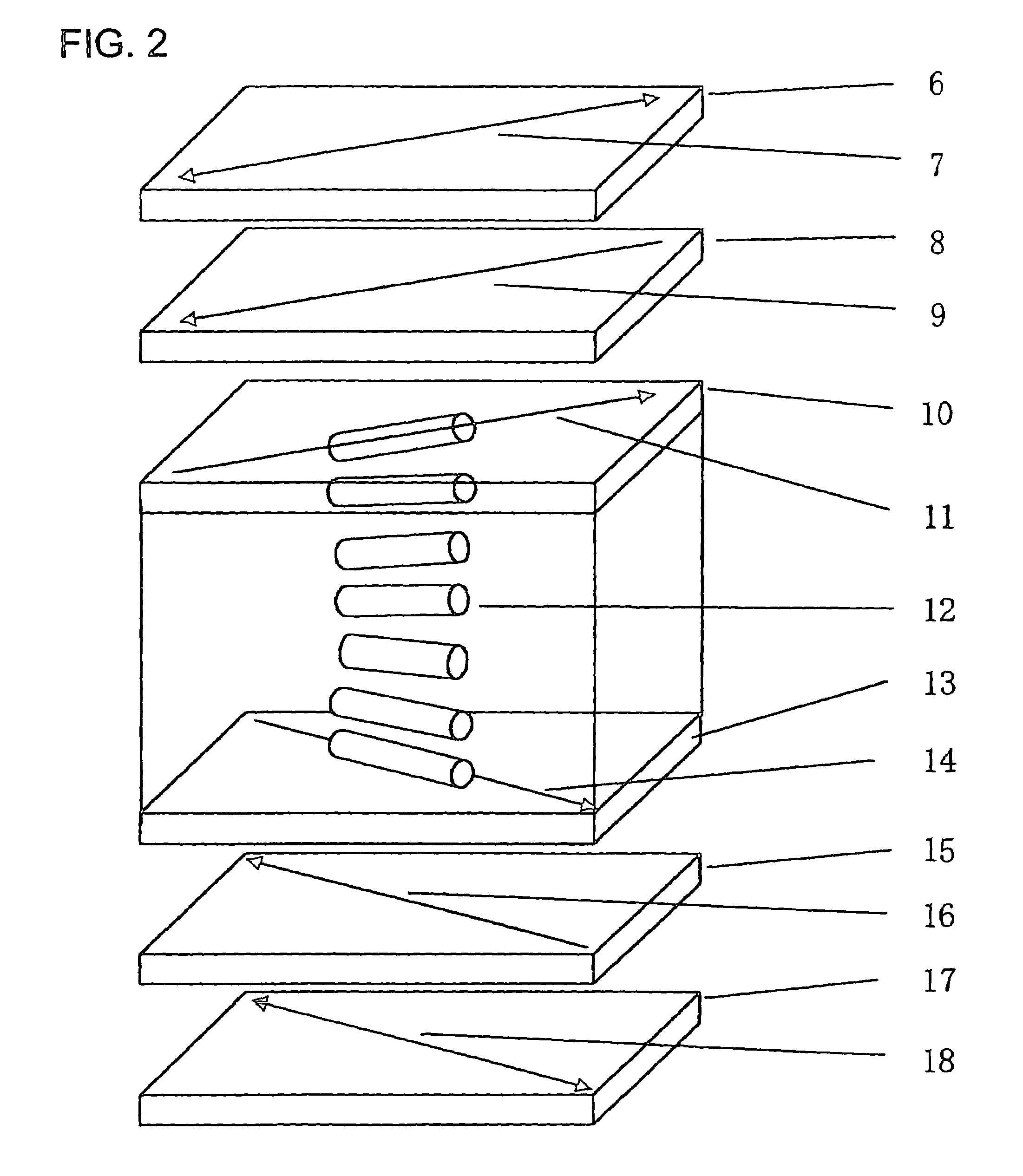
Examples
synthesis example 7
Synthesis of Illustrative Compound A-7
[0166]25.0 g (137 mmoles) of 2,5-dimethoxybenzoic acid, 100 mL of toluene, and 1.0 mL of dimethylformamide were heated at 60° C., 18.0 g (151 mmoles) of thionyl chloride was then added dropwise step by step, and the mixture was stirred upon heating at 60° C. for 2 hours. Thereafter, a solution of 18.0 g (151 mmoles) of 4-cyanophenol previously dissolved in 50 mL of acetonitrile was added dropwise step by step, and after completion of the dropwise addition, the mixture was stirred upon heating at 70 to 80° C. for 7.5 hours. The reaction mixture was cooled to room temperature and then subjected to a liquid separation operation with ethyl acetate and saturated salt water. Water was removed from the resulting organic phase by using sodium sulfate, and the solvent was then distilled off in vacuo. The residue was subjected to a purification operation by silica gel column chromatography (hexane / ethyl acetate (9 / 1, V / V) to obtain 18.8 g (yield: 48%) of ...
synthesis example 8
Synthesis of Illustrative Compound A-8
[0169]A targeted compound was synthesized in the same manner as in Illustrative Compound A-5, except for changing the 2,3-dimethoxybenzoic acid to 2,6-dimethoxybenzoic acid. Furthermore, the compound was identified by mass spectrum analysis.
[0170]Mass spectrum: m / z 284 (M+H)+
[0171]The resulting compound had a melting point of 130 to 131° C.
synthesis example 9
Synthesis of Illustrative Compound A-11
[0172]A targeted compound was synthesized in the same manner as in Illustrative Compound A-2, except for changing 71.5 g of 4-cyanophenol to 76.9 g of 4-chlorophenol. Furthermore, the compound was identified by 1H-NMR (400 MHz) and mass spectrum analysis.
[0173]1H-NMR (CDCl3) δ3.90 (s, 3H), 3.94 (s, 3H), 3.99 (s, 3H), 6.58 (s, 1H), 7.15 (d, 2H), 7.37 (d, 2H), 7.56 (s, 1H) Mass spectrum: m / z 323 (M+H)+
[0174]The resulting compound had a melting point of 127 to 129° C.
PUM
 Login to View More
 Abstract
Description
Claims
Application Information
 Login to View More