Bottom-up caution information extraction method

A bottom-up technology that pays attention to information and is applied in psychological devices, instruments, character and pattern recognition, etc., and can solve problems that cannot be widely used to extract various types of features

CN101334834AInactive Publication Date: 2008-12-31BEIJING JIAOTONG UNIV
0 Cites 15 Cited by

Patent Information

Authority / Receiving Office
CN · China
Patent Type
Applications(China)
Current Assignee / Owner
Publication Date
2008-12-31
Estimated Expiration
Not applicable · inactive patent

Smart Images

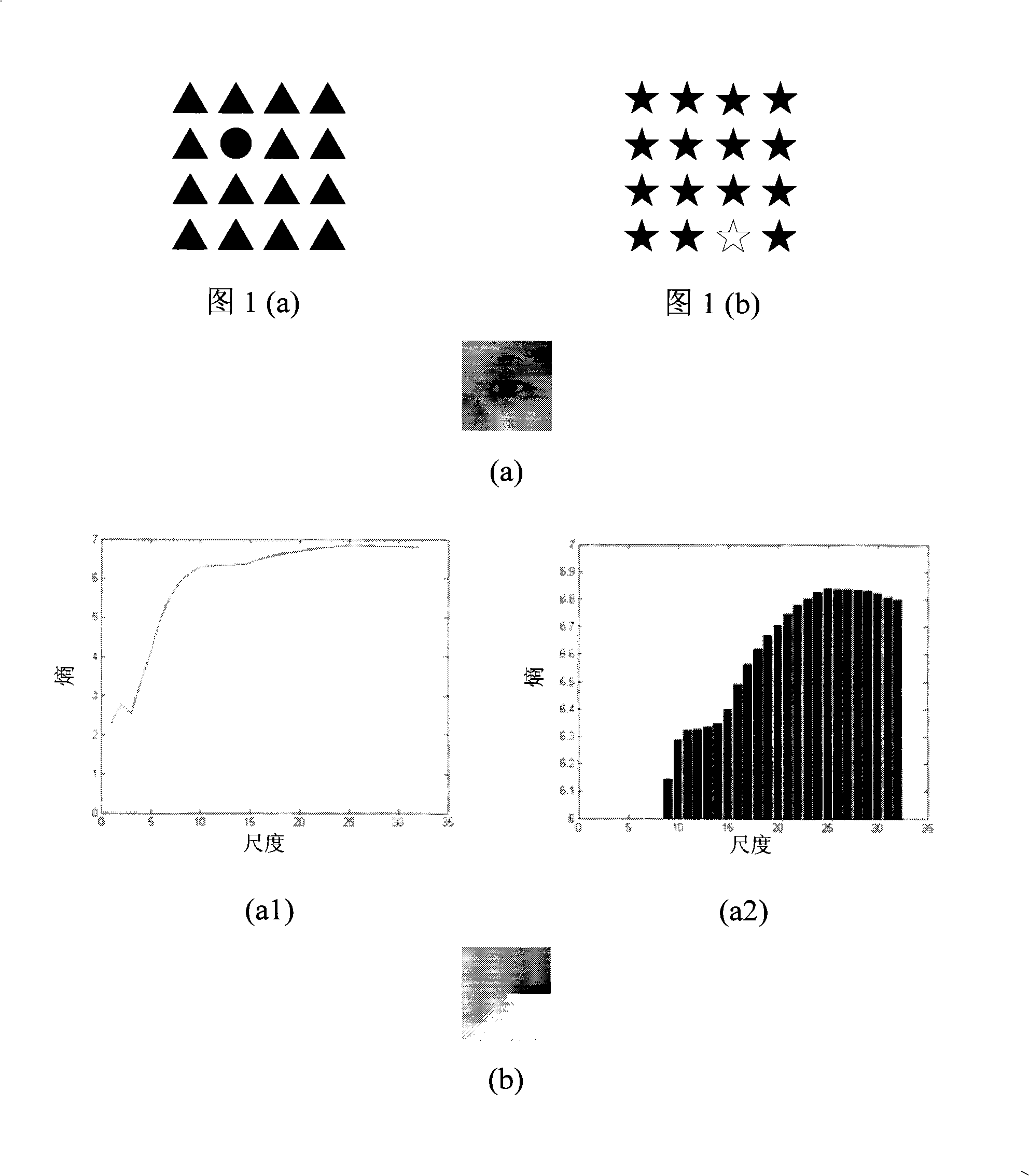
  • Figure 1
    Figure 1
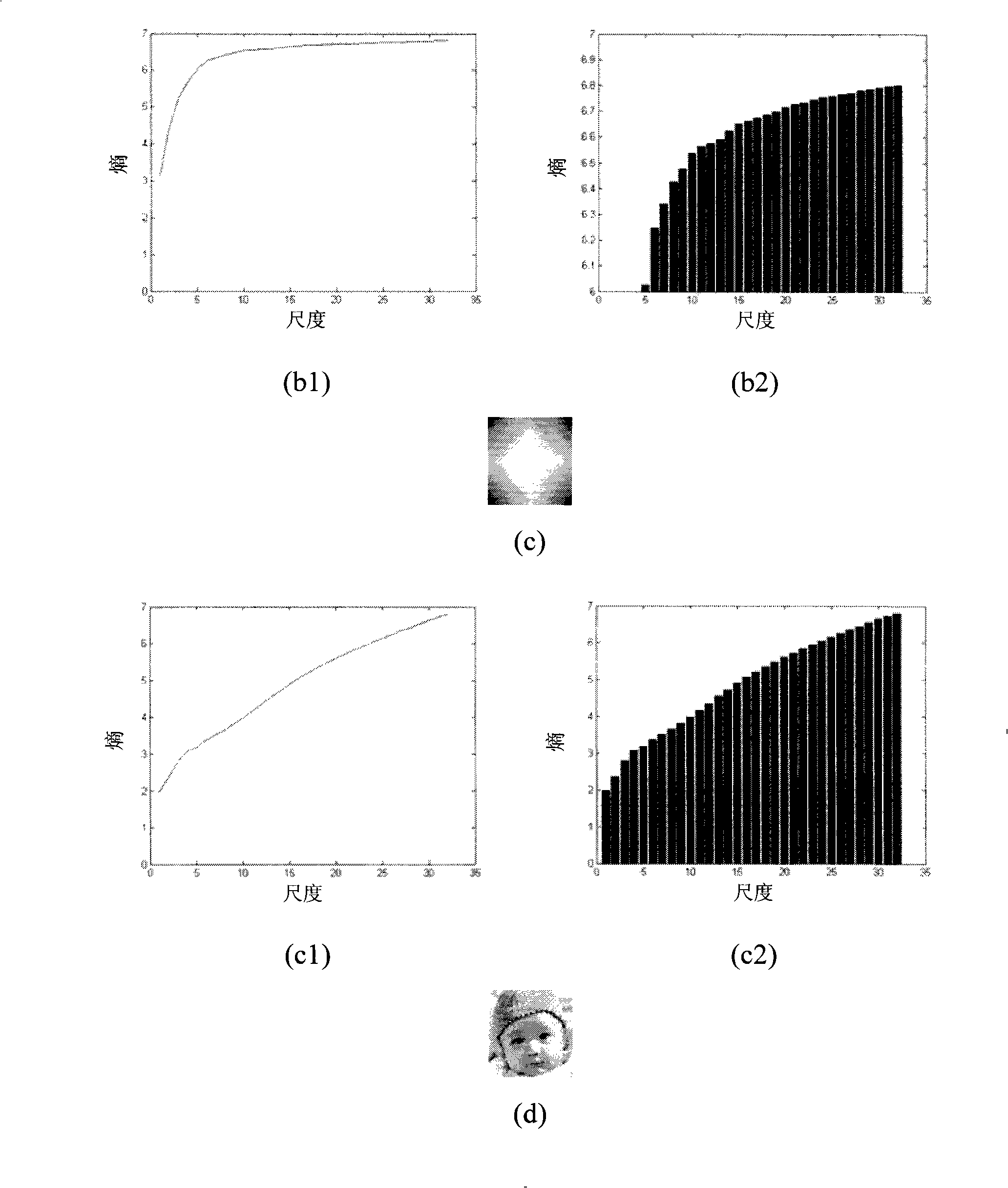
  • Figure 2
    Figure 2
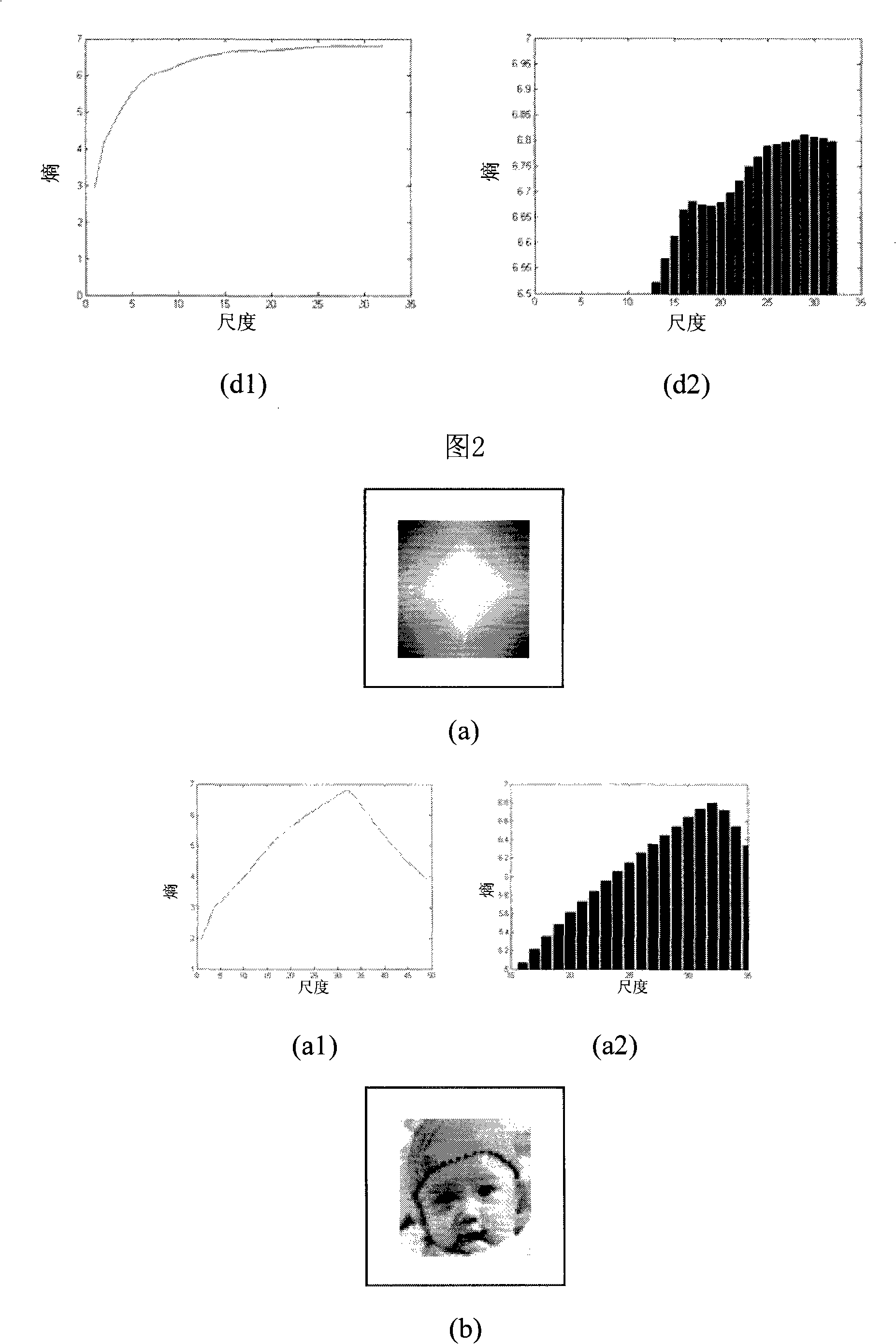
  • Figure 3
    Figure 3
Patent Text Reader

Abstract

The invention provides a bottom-to-top focused information extraction method based on the vision focusing research results of psychology. The bottom-to-top focused information is formed by significances of the corresponding zone of each point of an image and the size of the zone automatically adapts to the complexity of local features. The new significance measurement standard comprehensively takes three characteristics, i.e. local complexity, statistical dissimilarity and primary vision features into account. The significant zones simultaneously appear significant in both feature space and scale space. The acquired bottom-to-top focused information is provided with rotation, translation and scaling invariance invariability and a certain anti-noise capability. A focusing model is developed from the algorithm and the application of the focusing model to a plurality of natural images demonstrates the effectiveness of the algorithm.
Need to check novelty before this filing date? Find Prior Art

Description

technical field

[0001] The invention relates to a bottom-up attention information extraction method, which belongs to the technical field of computer applications. Background technique

[0002] Attention, as a state of mental activity, has been paid attention to in the early stages of modern psychology. The role of visual attention is to quickly direct human attention to objects of interest. The attention mechanism for selection uses both bottom-up information from images and top-down information from high-level visual structural organization.

[0003] When the entire image is a close-up of an object, the object dominates the image. Object detection can be accomplished with only bottom-up attention. However, when the scene environment dominates the image, completing object detection first filters the environment information through top-down attention, and then combines it with bottom-up attention information. Therefore, no matter in which case, what kind of information t...

Examples

Embodiment 1

[0053] Example 1: According to visual saliency, based on local complexity and primary visual features, a new bottom-up attention information extraction algorithm LOCEV (Integration of local complexity and early visual features) is proposed. Compared with the prior art, the present invention has the following prominent features: first, the LOCEV algorithm is based on the local information of the image, and uses a circular sampling window, so the global transformation of the image, such as rotation, scaling, etc. Note that the message has little effect. Second, although the function used to define the local complexity does not have translation invariance, the LOCEV algorithm takes the position of the pixel in the image as a variable, so that the algorithm has translation invariance. Third, the LOCEV algorithm replaces the saliency of points with the saliency of regions, and makes the extracted attention information less susceptible to noise by measuring the statistical dissimila...