Electrochemical paracetamol molecular imprinting transducer and manufacturing method thereof

A technology of paracetamol and molecular imprinting, applied in the direction of material electrochemical variables, etc., can solve the problems of difficult elution of template molecules, limitation of polymer pore size, easy swelling and damage of imprinted holes in polymers, etc.

CN102735729AInactive Publication Date: 2012-10-17GUANGXI UNIV FOR NATITIES
0 Cites 26 Cited by

Patent Information

Authority / Receiving Office
CN · China
Patent Type
Applications(China)
Current Assignee / Owner
Publication Date
2012-10-17
Estimated Expiration
Not applicable · inactive patent

Smart Images

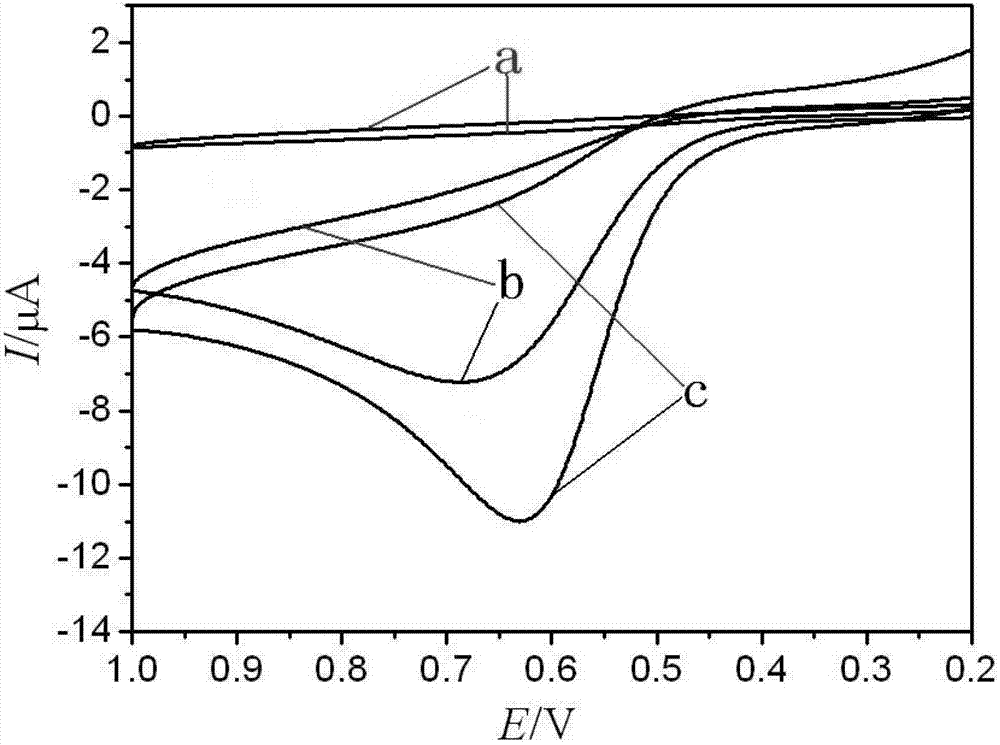
  • Figure 1
    Figure 1
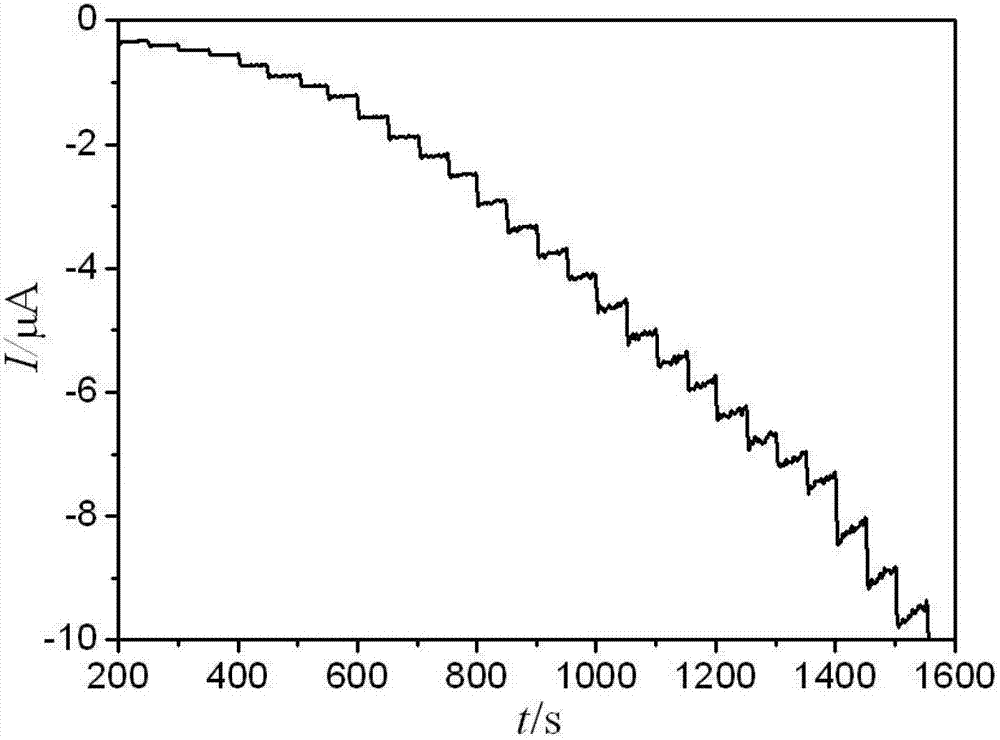
  • Figure 2
    Figure 2
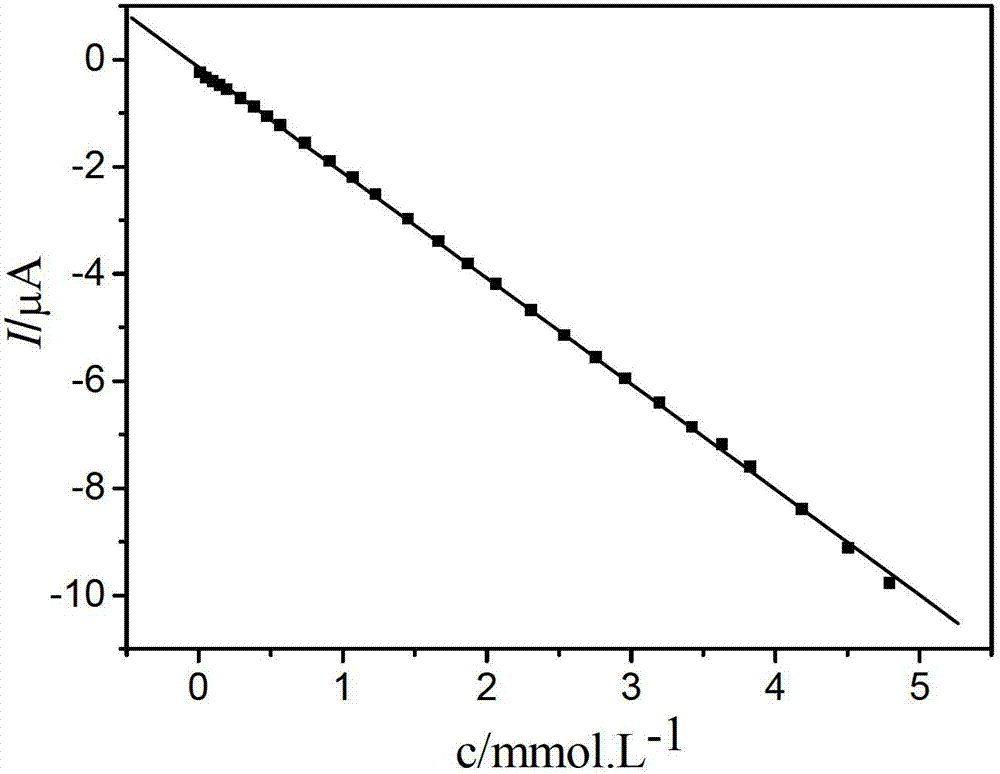
  • Figure 3
    Figure 3
Patent Text Reader

Abstract

The invention discloses an electrochemical paracetamol molecular imprinting transducer and a manufacturing method thereof. According to the transducer, a molecular imprinting technology and an electric analysis and chemical detection technology are combined. Paracetamol is taked as a template molecule, acrylamide is taken as a functional monomer, special resource rosin of Guangx is combined with paracetamol and acrylamide, and maleated rosin ethylene glycol dimethacrylate compounded by the rosin serving as a raw material is used as a cross-linking agent. The electrochemical paracetamol molecular imprinting transducer can be used for measuring the content of paracetamol, and has favorable selecting recognition performance. The electrochemical analysis method for detecting the paracetamol, which is provided by the invention, is simple and practical, and meanwhile, can be used for overcoming the defect of the complexity of the traditional method.
Need to check novelty before this filing date? Find Prior Art

Description

technical field

[0001] The invention relates to a molecularly imprinted electrochemical sensor, in particular to a paracetamol molecularly imprinted electrochemical sensor and a preparation method thereof. Background technique

[0002] Paracetamol has antipyretic and analgesic effects, and can be used for cold and fever, joint pain, neuralgia, migraine, cancer pain and post-operative pain relief. Overdose of paracetamol can cause severe liver damage, and even acute poisoning can lead to liver necrosis and death within a few days. Long-term use of paracetamol can also lead to drug dependence, and the accumulation of drug doses has also become a major risk factor for non-hereditary and non-environmental asthma. Therefore, it is of great significance to study a highly selective detection method for paracetamol.

[0003] Molecular imprinting technology uses the target molecule to be tested as a template molecule, combining structurally complementary functional monomers with th...

Examples

Embodiment 1

[0018] 1. Treatment of glassy carbon electrodes

[0019] Polish the glassy carbon electrode on the buckskin with 1.0 μm, 0.3 μm and 0.05 μm alumina powder in sequence, then put it into nitric acid with a volume ratio of 1:1 and sonicate for 5 minutes, then put it into absolute ethanol for 5 minutes, and finally Ultrasonic cleaning with ultrapure water.

[0020] 2. Preparation of molecularly imprinted electrochemical sensor for paracetamol

[0021] To 2.0ml solvent acetonitrile, add 0.2mmol template molecule paracetamol, 0.8mmol functional monomer acrylamide, 0.8mmol crosslinking agent maleic rosin ethylene glycol acrylate and 0.08mmol initiator azobisisobutyronitrile , every time a chemical reagent is added, ultrasonically dissolve for 5 minutes;

[0022] After the mixture is dissolved, take 2 μL of the mixture in step and apply it on the surface of the treated clean and smooth glassy carbon electrode. After standing for half an hour, place the modified electrode in a vac...