
Free-form surface unconventional subaperture splicing interference detection device and method
A technology of interference detection and aperture splicing, applied in measuring devices, optical devices, instruments, etc., can solve problems such as no longer adapting to free-form surfaces
Patent Information
- Authority / Receiving Office
- CN · China
- Current Assignee / Owner
- Publication Date
- 2016-07-20
Smart Images
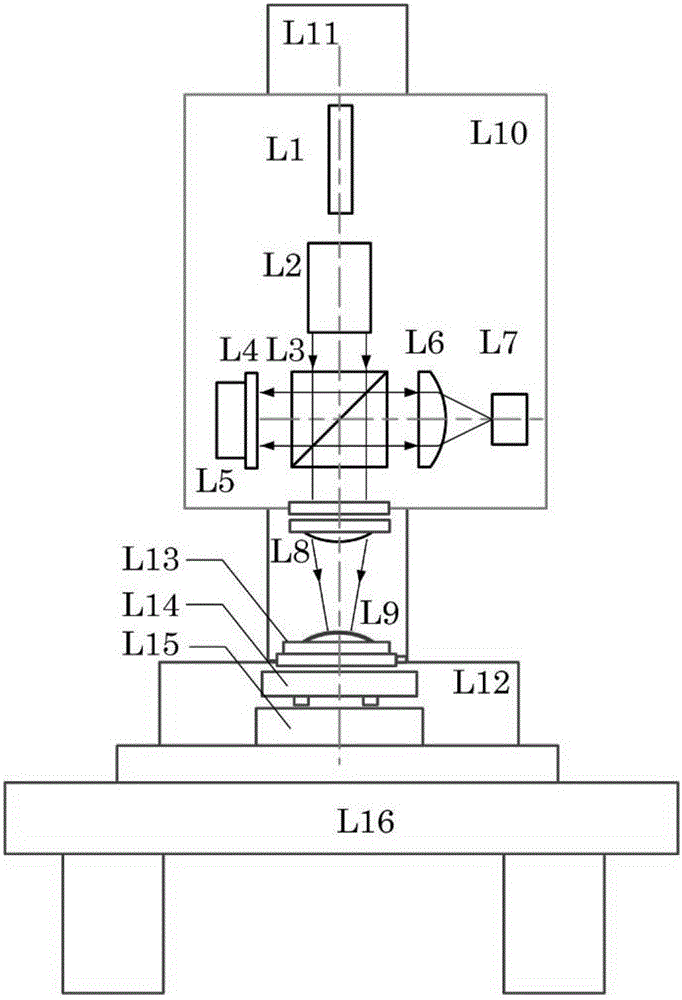
Figure 1 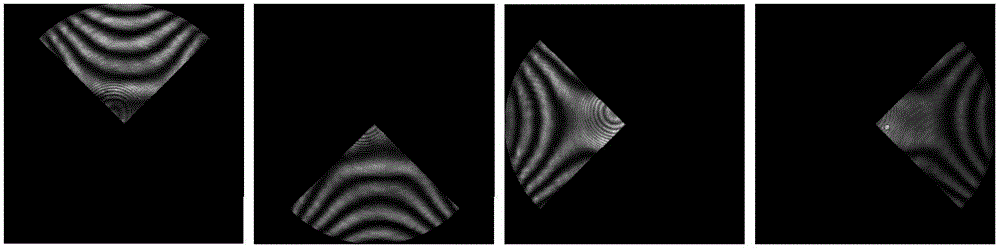
Figure 2 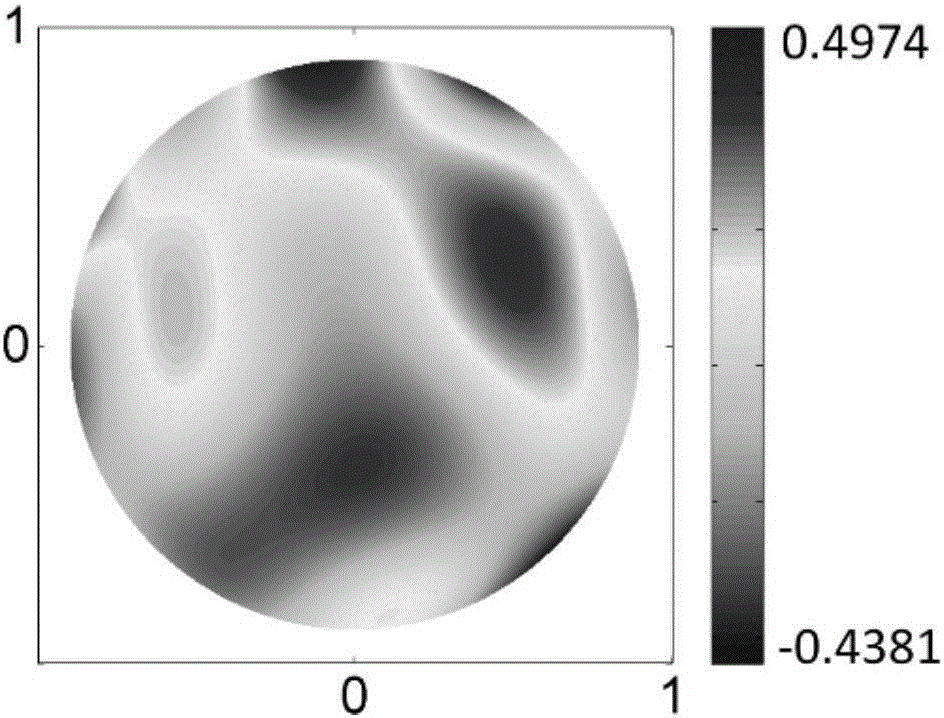
Figure 3
Abstract
Description
technical field
[0001] The invention belongs to the technical field of detection of free-form surfaces, and in particular relates to a device and method for splicing interference detection of unconventional sub-apertures on free-form surfaces. Background technique
[0002] Due to its large surface degree of freedom, the optical free-form surface can provide or correct different on-axis or off-axis aberrations in a targeted manner, and at the same time meet the requirements of high performance, light weight and miniaturization of modern optical systems, thus gradually becoming a modern optical system. The new favorite in engineering. Although there has been steady development in design, processing, and testing, the high-precision requirements for the surface shape of optical components in the imaging field have limited the large-scale application of free-form surfaces. In particular, the detection technology of free-form surfaces has become the most important factor restrict...
Examples
Embodiment
[0060] An example of the application of the present invention to splicing interference detection of unconventional sub-apertures on free-form surfaces is described as follows.
[0061] The measured free-form surface is a double conical surface, and its equation is
[0062] z = 1 r x x 2 + 1 r y y 2 1 + 1 - ( 1 + k x ) x ...