Anti-shaking oil conveying arm with residual oil automatic collecting function

An automatic collection and oil delivery arm technology, applied in the field of oil delivery arms, can solve the problems of poor usability of the oil delivery arm, poor stability of the oil delivery arm, easy shaking of the oil delivery arm, etc., to achieve stability and Balance performance, increase service life, excellent lubricity effect

CN109399545AInactive Publication Date: 2019-03-01CHINA PETROLEUM & CHEM CORP +2
12 Cites 1 Cited by

Patent Information

Authority / Receiving Office
CN · China
Patent Type
Applications(China)
Current Assignee / Owner
Publication Date
2019-03-01
Estimated Expiration
Not applicable · inactive patent

Smart Images

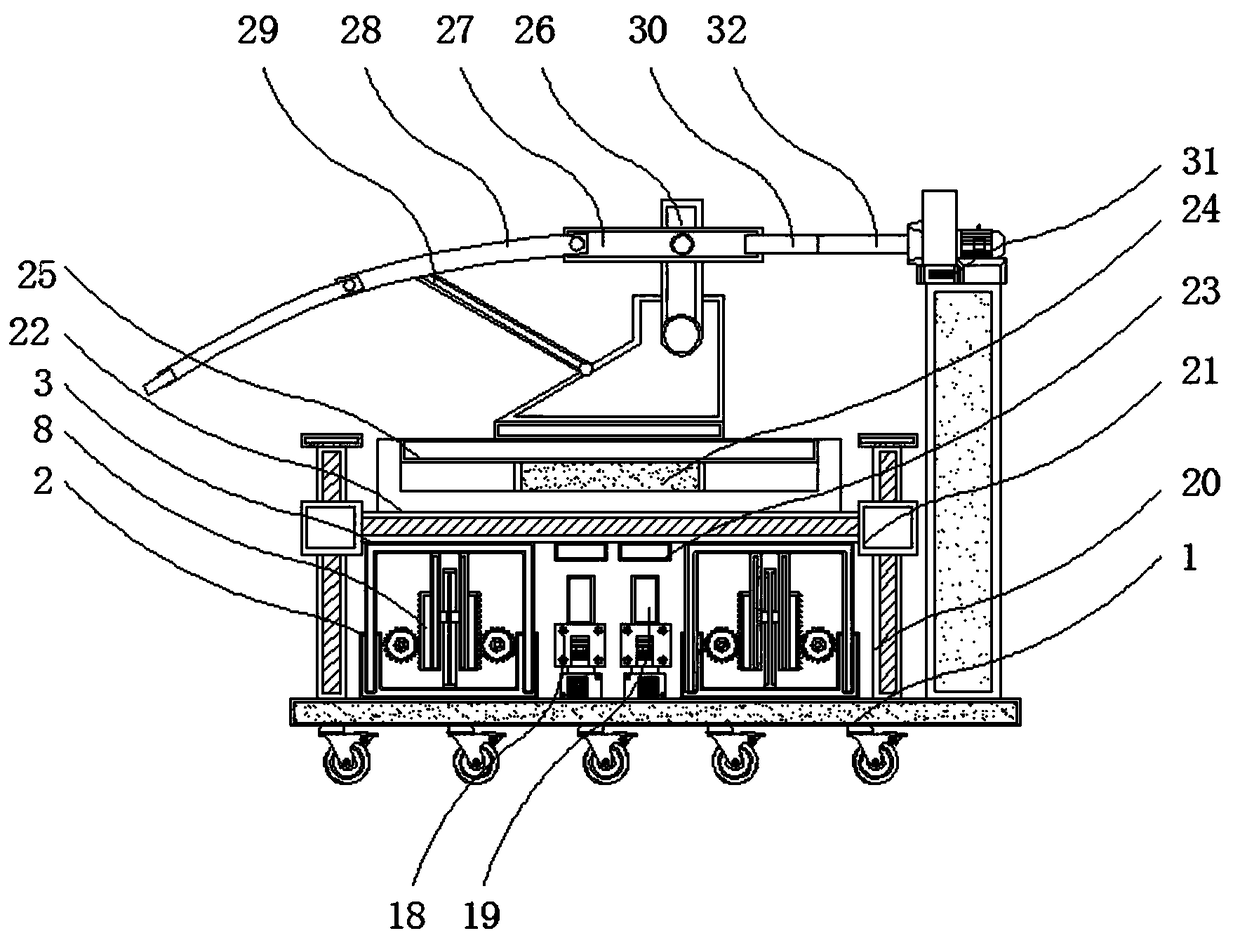
  • Figure 1
    Figure 1
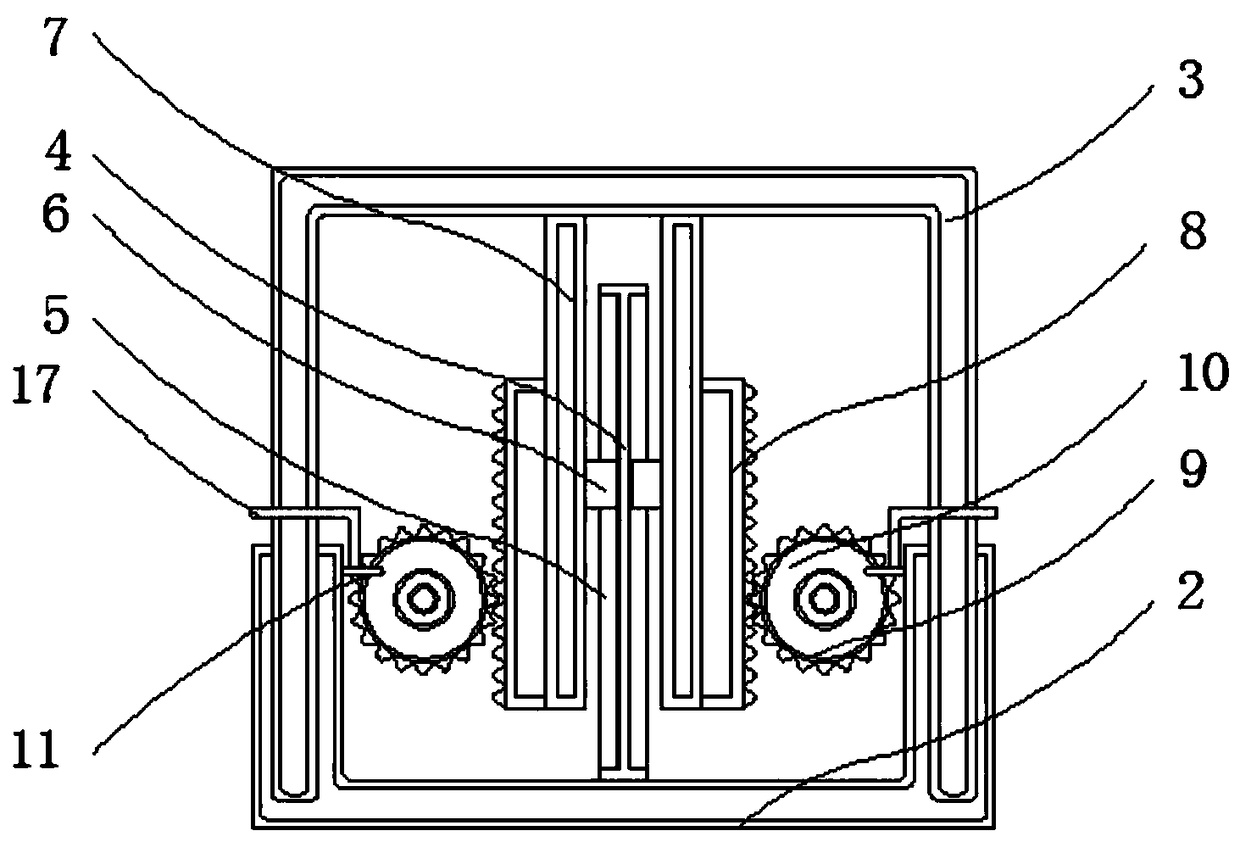
  • Figure 2
    Figure 2
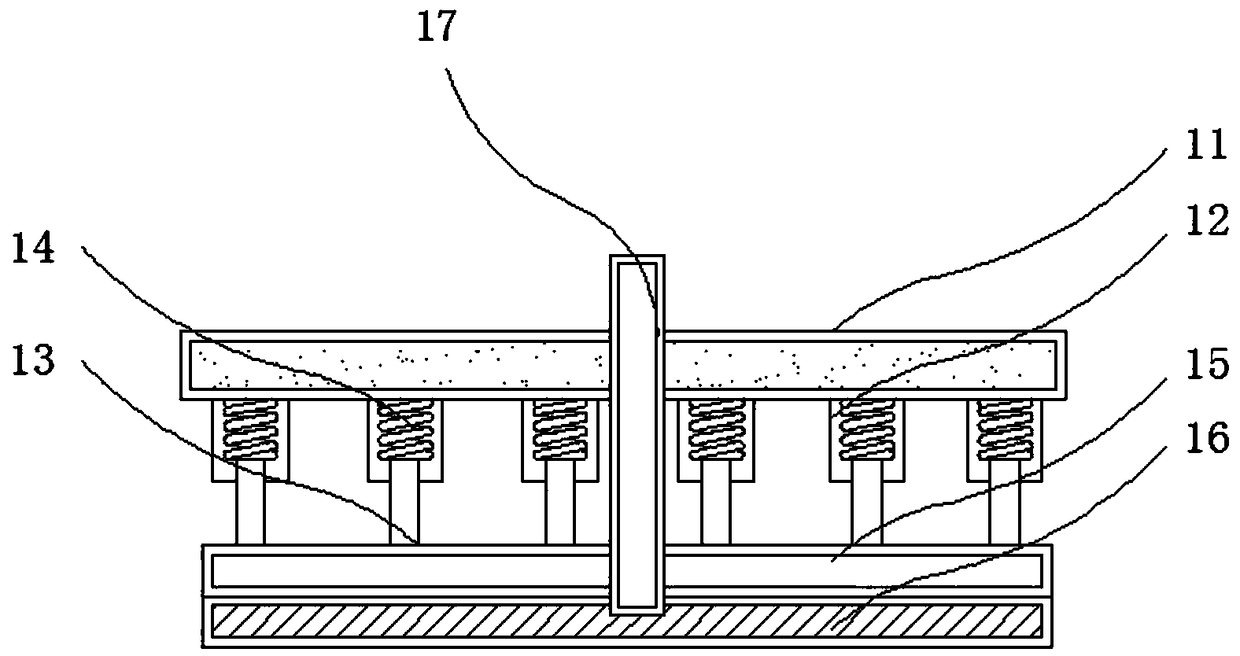
  • Figure 3
    Figure 3
Patent Text Reader

Abstract

The invention discloses an anti-shake oil conveying arm with a residual oil automatic collecting function, and relates to the technical field of oil conveying arms. The anti-shake oil conveying arm with the residual oil automatic collecting function comprises a shock-absorbing base, a supporting workbench and an oil conveying arm base, wherein lower placing frames are fixedly welded at the upper end of the shock-absorbing base, and connecting rods are arranged at the top ends of telescopic sleeves, hydraulic cylinders are installed on the inner sides of the lower placing frames and upper placing frames, the supporting workbench is fixedly welded to inner sides of sliding blocks, a supporting rod is fixedly welded at the upper end of the supporting workbench, the top end of the supporting rod is connected with a rotating disc, the oil conveying arm base is fixedly welded to the upper end of the rotating disc, and an oil conveying outer arm is connected to the top end of the oil conveying arm base in a shaft mode. According to the anti-shaking oil conveying arm with the residual oil automatic collecting function, an oil conveying arm generates certain vibration in oil conveying process, and the shock-absorbing base can play a role in buffering the vibration, so that stability and balance of the oil conveying arm in working are ensured, and the oil conveying arm can stably conveythe oil.
Need to check novelty before this filing date? Find Prior Art

Description

technical field

[0001] The invention relates to the related technical field of oil delivery arms, in particular to an anti-sway oil delivery arm with the function of automatically collecting residual oil. Background technique

[0002] The oil delivery arm is a machine used to transport oil products from land oil storage bases to tankers. It is widely used in various oil depots and transfer stations. It is mainly divided into basic parts such as inner arms, outer walls and supports, and generally relies on hydraulic transmission. , can carry out forward and backward movement, left and right translational movement, and the joint can carry out three-dimensional movement, so it is convenient to use. Compared with the traditional oil delivery hose, it has great advantages. The disadvantage is that the cost is high and the maintenance is inconvenient. play an extremely important role in development.

[0003] The rotary joint in the middle part of the inner arm of the existing oil...

Examples

Embodiment Construction

[0029] The following will clearly and completely describe the technical solutions in the embodiments of the present invention with reference to the accompanying drawings in the embodiments of the present invention. Obviously, the described embodiments are only some, not all, embodiments of the present invention.

[0030]In the description of the present invention, unless otherwise stated, the meaning of "plurality" is two or more; the terms "upper", "lower", "left", "right", "inner", "outer" , "front end", "rear end", "head", "tail", etc. indicate the orientation or positional relationship based on the orientation or positional relationship shown in the drawings, and are only for the convenience of describing the present invention and simplifying the description, rather than Nothing indicating or implying that a referenced device or element must have a particular orientation, be constructed, and operate in a particular orientation should therefore not be construed as limiting t...