
Medical devices having multiple layers
a medical device and multi-layer technology, applied in the direction of prosthesis, blood vessel, metabolic disorder, etc., can solve the problems of devices having attendant mechanical requirements, and achieve the effect of high strength and non-complian
- Summary
- Abstract
- Description
- Claims
- Application Information
AI Technical Summary
Benefits of technology
Problems solved by technology
Method used
Image

Examples
example 1
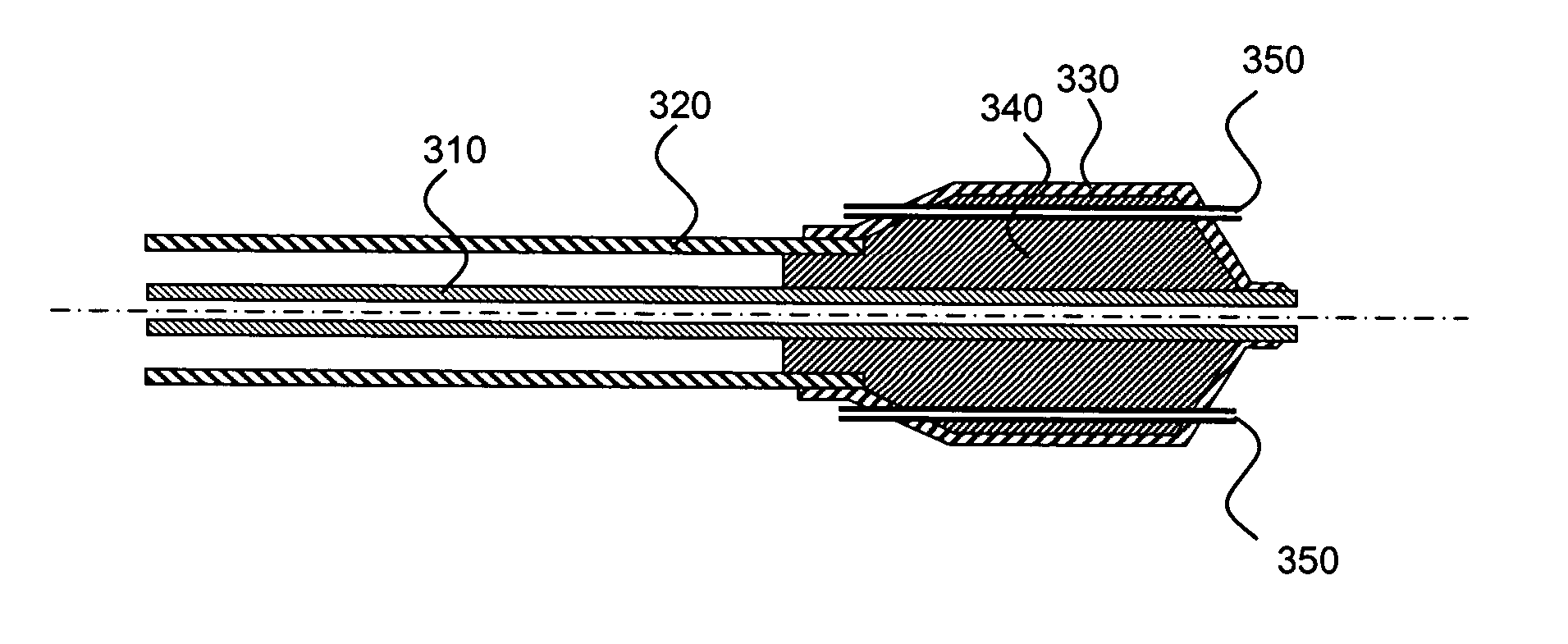
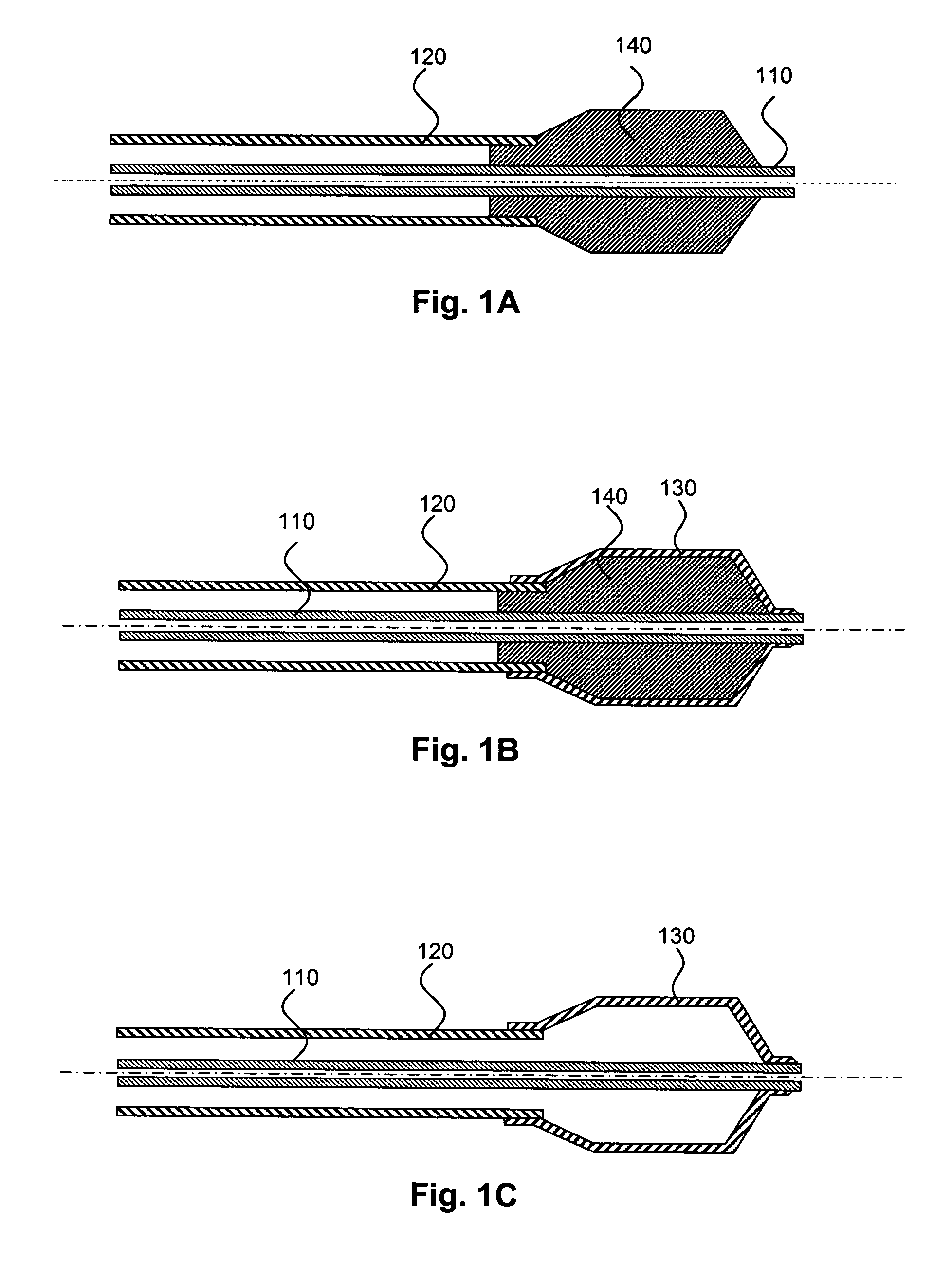
[0095]A mold 3 mm in diameter of polyvinyl alcohol (PVOH) series C-5 (purchased from Adept Polymers Limited, London) is insert molded at 190° C. A metal core pin is embedded through the center of the mold.
[0096]The following solutions / suspensions are prepared: (1) Polyurethane Pellethane 70D (Dow Chemical, Midland, Mich.) in Tetrahydrofuran (THF) at a concentration of 5%; (2) polyethylenimine (PEI) (Aldrich) in water at a concentration of 1%; (3) polyacrylic acid (PAA) (Aldrich) in water at a concentration of 1%; and (4) carbon nanotubes (CNT) (Carbolex, Inc., Lexington, Ky., USA) in water at a concentration of 0.6%. The CNT are functionalized by refluxing them in nitric acid.
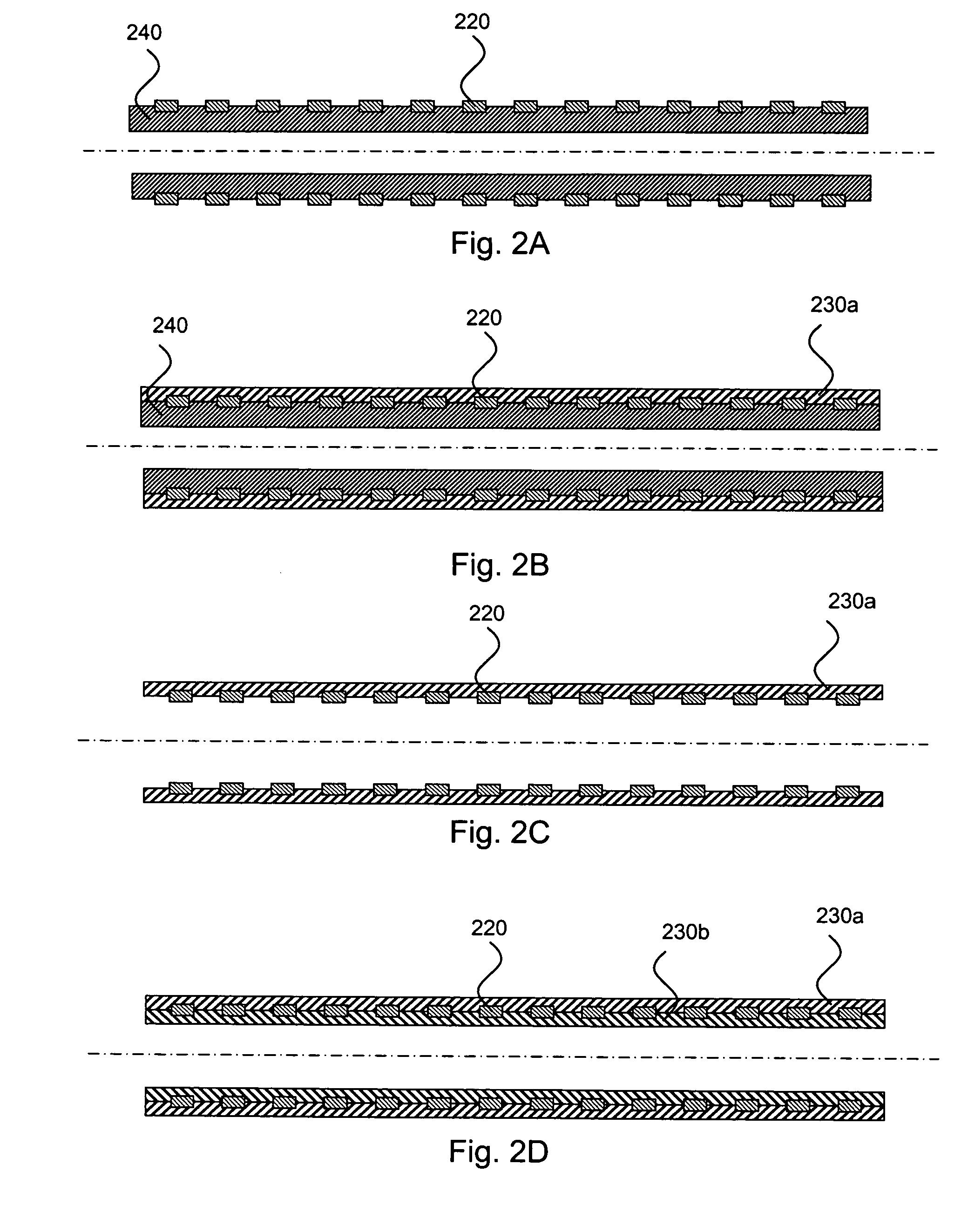
[0097]A first layer of the polyurethane is deposited (by dipping) on the PVOH core. Then, a layer of PEI is deposited on top of the polyurethane layer. After this, 204 layers are deposited by repeating the following sequence seventeen times: PAA-PEI-CNT-PEI-CNT-PEI-CNT-PEI-CNT-PEI-CNT-PEI. The PAA layers are in...
example 2
[0099]The procedures of Example 1 are followed, with the following changes: Instead of the core and the first polyurethane layer, an existing PEBAX 7233 single wall balloon (Boston Scientific Corp.) is used as a non-removable substrate. First, a layer of PEI deposited on the balloon. After this, 96 layers are deposited by following the following sequence eight times: PAA-PEI-CNT-PEI-CNT-PEI-CNT-PEI-CNT-PEI-CNT-PEI. As above, the PAA layers reinforce the electrostatic attraction between the layers.
PUM
| Property | Measurement | Unit |
|---|---|---|
| internal pressures | aaaaa | aaaaa |
| diameter | aaaaa | aaaaa |
| diameter | aaaaa | aaaaa |
Abstract
Description
Claims
Application Information
 Login to View More