

Low advance ratio, high reciprocation rate tissue removal device
a tissue removal and high reciprocation rate technology, applied in the field of tissue removal methods, systems and devices, can solve the problems of reproductive dysfunction, prolonged or heavy menstrual bleeding, pelvic pressure or pain, etc., and achieve the effect of reducing the risk of infection
Patent Information
- Authority / Receiving Office
- US · United States
- Patent Type
- Applications(United States)
- Current Assignee / Owner
- Publication Date
- 2011-02-10
- Estimated Expiration
- Not applicable · inactive patent
Smart Images
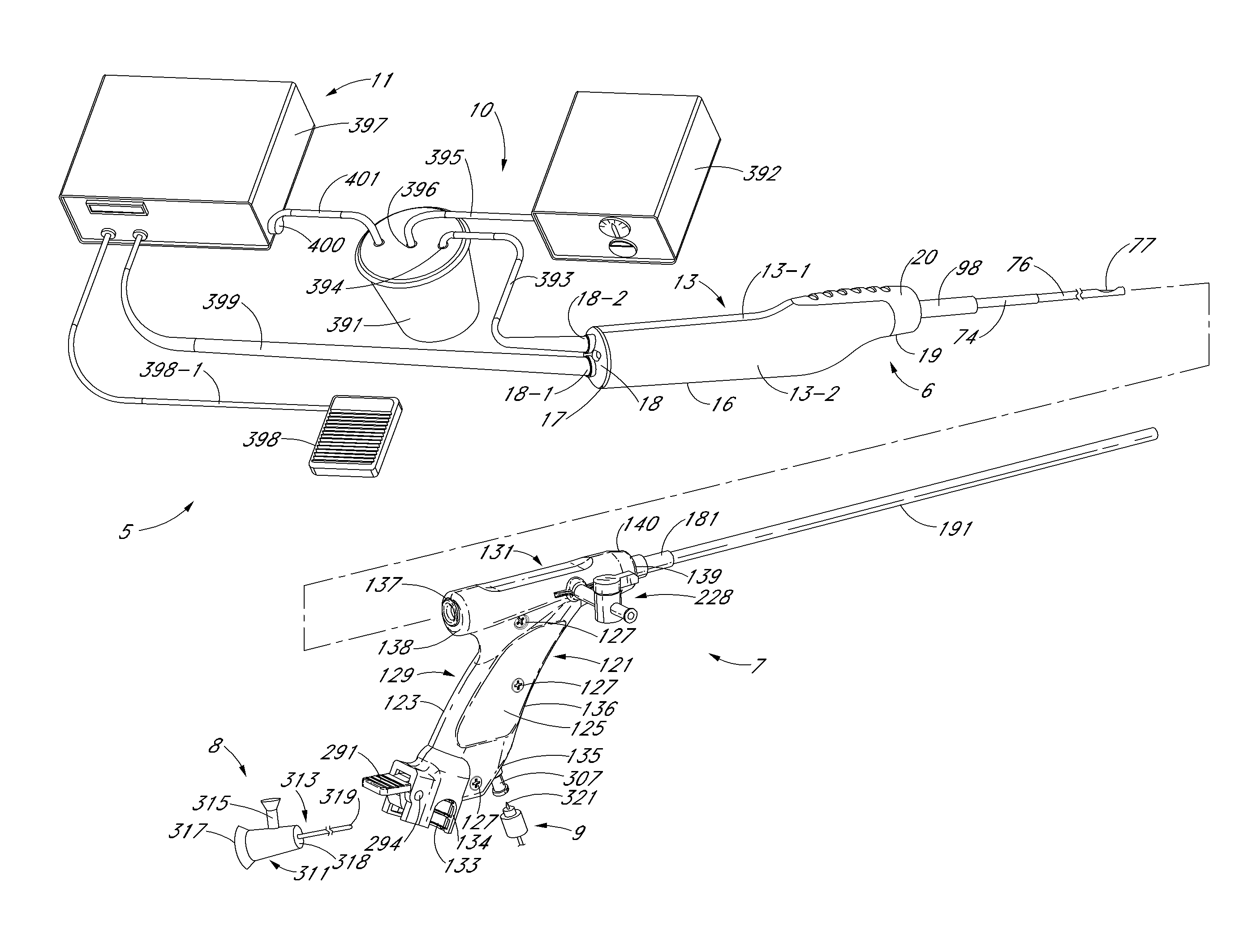
Figure 1 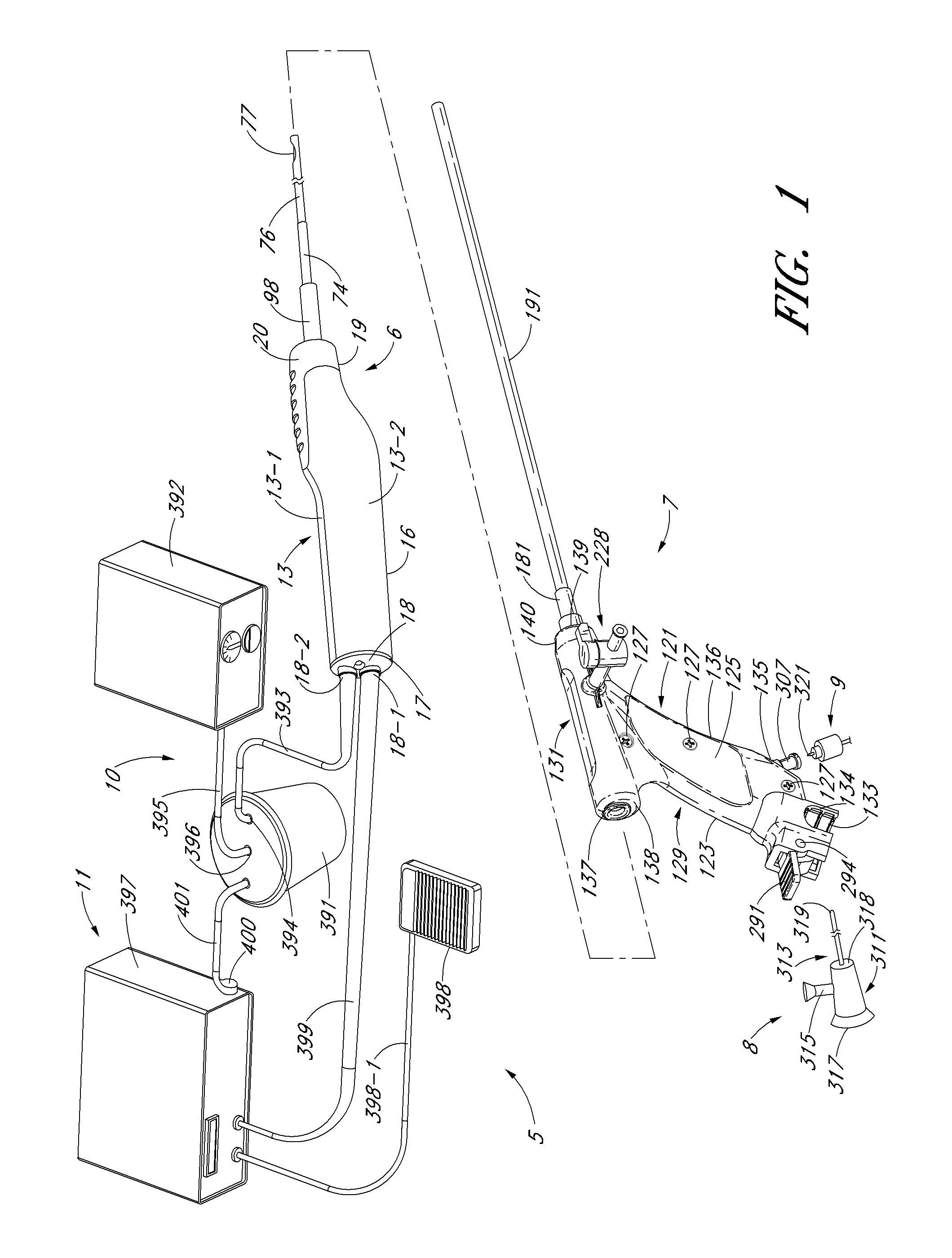
Figure 2 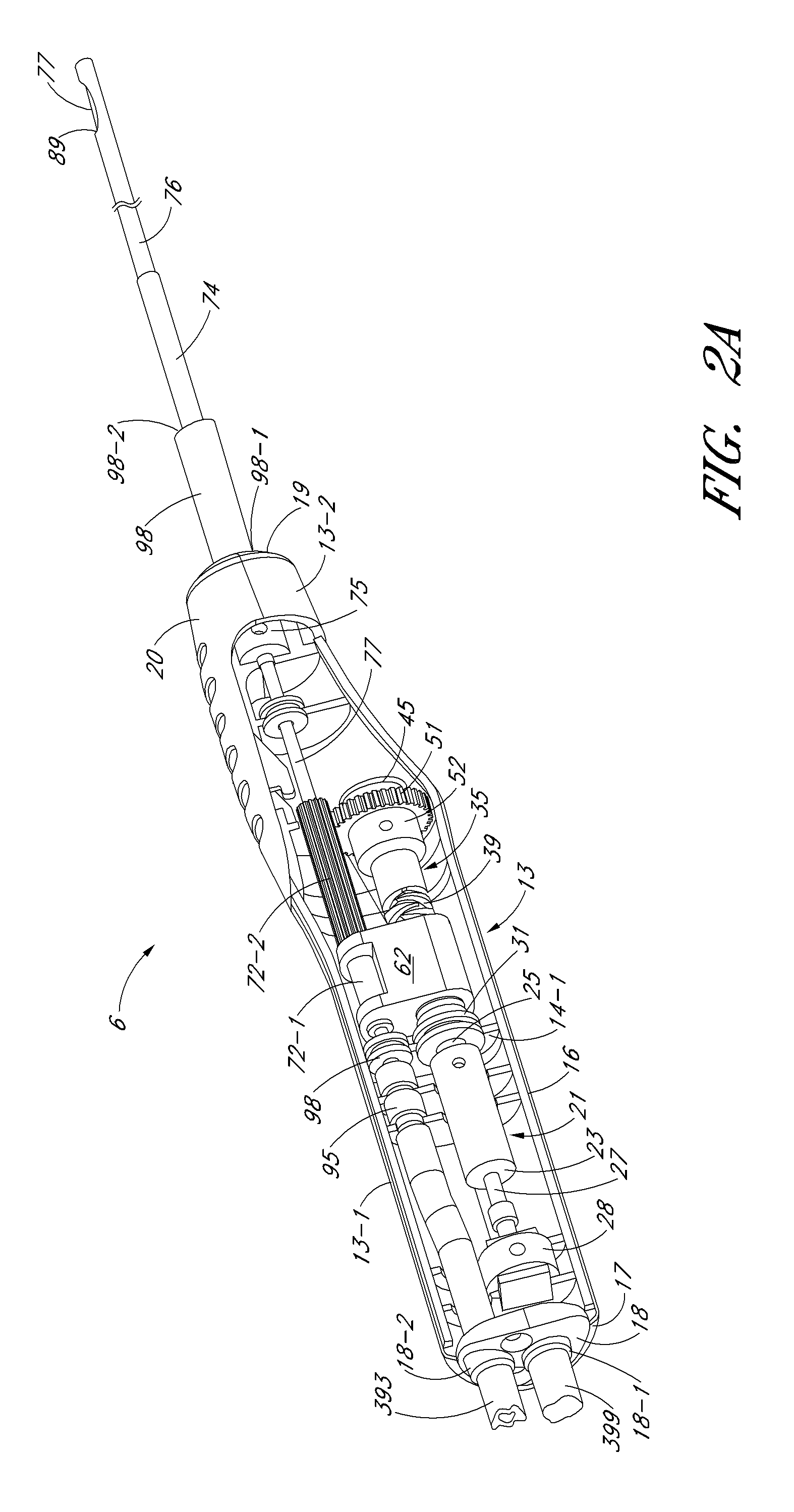
Figure 3
Abstract
Description
CROSS-REFERENCE TO RELATED APPLICATIONS
[0001] The present application is a continuation of U.S. patent application Ser. No. 12 / 432,675, filed Apr. 29, 2009 (titled “LOW ADVANCE RATIO, HIGH RECIPROCATION RATE TISSUE REMOVAL DEVICE”), which is a continuation in part of U.S. patent application Ser. No. 12 / 098,250, filed Apr. 4, 2008 (titled “METHOD, SYSTEM AND DEVICE FOR TISSUE REMOVAL”), which claims the benefit under 35 U.S.C. §119(e) of U.S. Provisional Application 60 / 910,618, filed Apr. 6, 2007, U.S. Provisional Patent Application Ser. No. 60 / 910,625, filed Apr. 6, 2007, and U.S. Provisional Patent Application Ser. No. 60 / 986,912, filed Nov. 9, 2007 all of which are incorporated herein by reference. The present application is a continuation in part of U.S. patent application Ser. No. 12 / 098,318, filed Apr. 4, 2008 (titled “SYSTEM FOR USE IN PERFORMING A MEDICAL PROCEDURE AND INTRODUCER DEVICE SUITABLE FOR USE IN SAID SYSTEM”), which claims the benefit under 35 U.S.C. §119(e) of U.S....
Examples
Embodiment Construction
[0049]The present invention is described below primarily in the context of devices and procedures optimized for performing one or more therapeutic or diagnostic gynecological or urological procedures such as the removal of uterine fibroids or other abnormal uterine tissue. However, the devices and related procedures of the present invention may be used in a wide variety of applications throughout the body, through a variety of access pathways.
[0050]For example, the devices of the present invention can be optimized for use via open surgery, less invasive access such as laparoscopic access, or minimally invasive procedures such as via percutaneous access. In addition, the devices of the present invention can be configured for access to a therapeutic or diagnostic site via any of the body's natural openings to accomplish access via the ears, nose, mouth, and via trans-rectal, urethral and vaginal approach.
[0051]In addition to the performance of one or more gynecological and urologic pr...