Translation dilator and stand alone vascular guide catheter

a vascular guide catheter and transcutaneous technology, applied in the field of medical devices and methods, can solve the problems of embolic stroke, increased risk of intracerebral hemorrhage and other hemorrhagic complications, and bleeding into the brain tissu

US20120116350A1Inactive Publication Date: 2012-05-10TYCO HEALTHCARE GRP LP
2 Cites 111 Cited by

Patent Information

Authority / Receiving Office
US · United States
Current Assignee / Owner
Publication Date
2012-05-10
Estimated Expiration
Not applicable · inactive patent

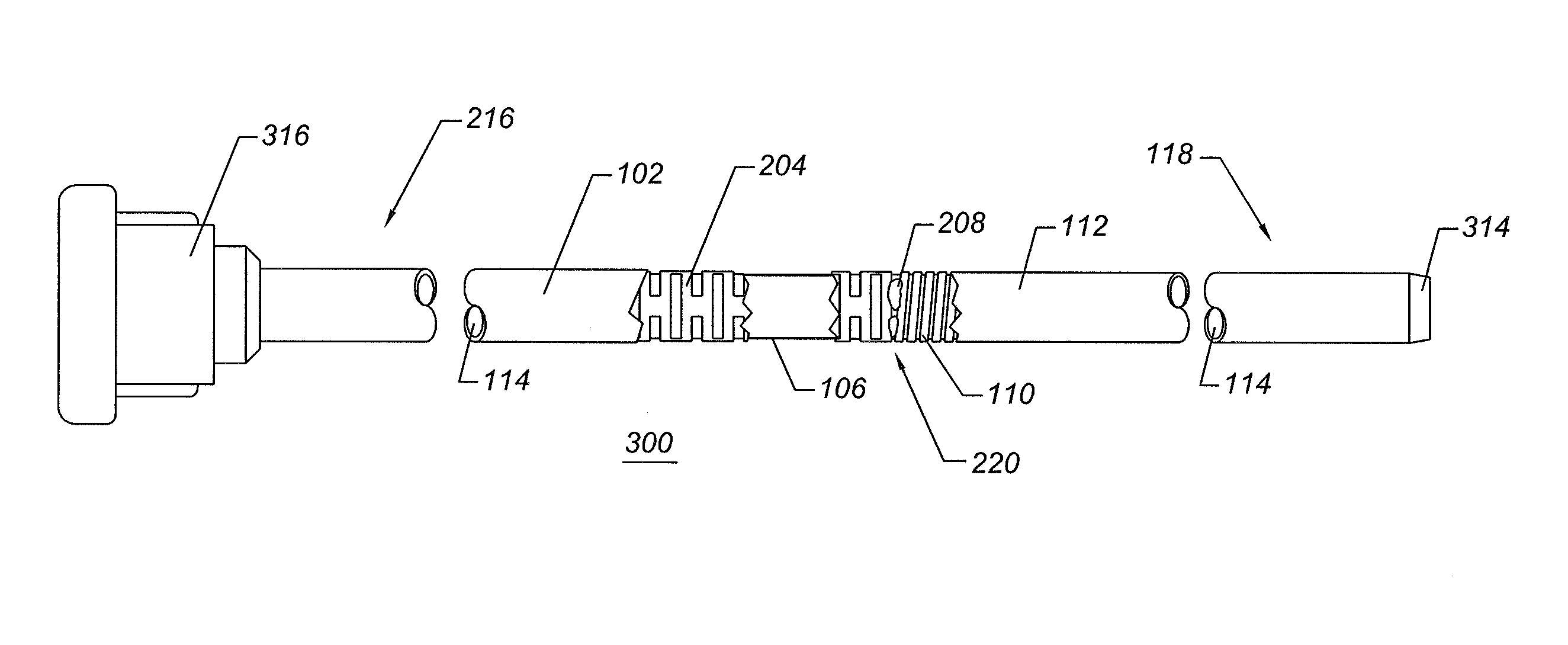
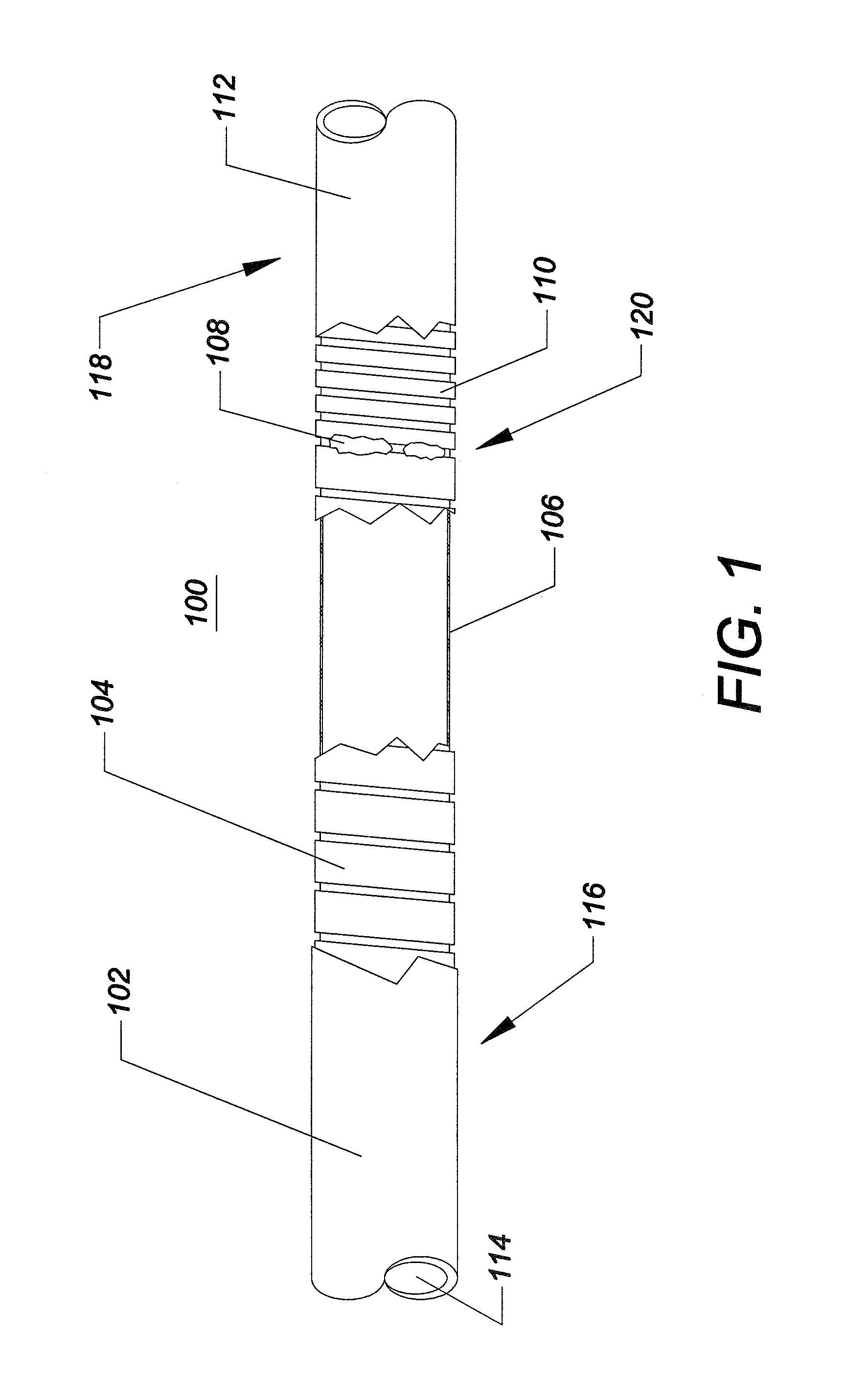
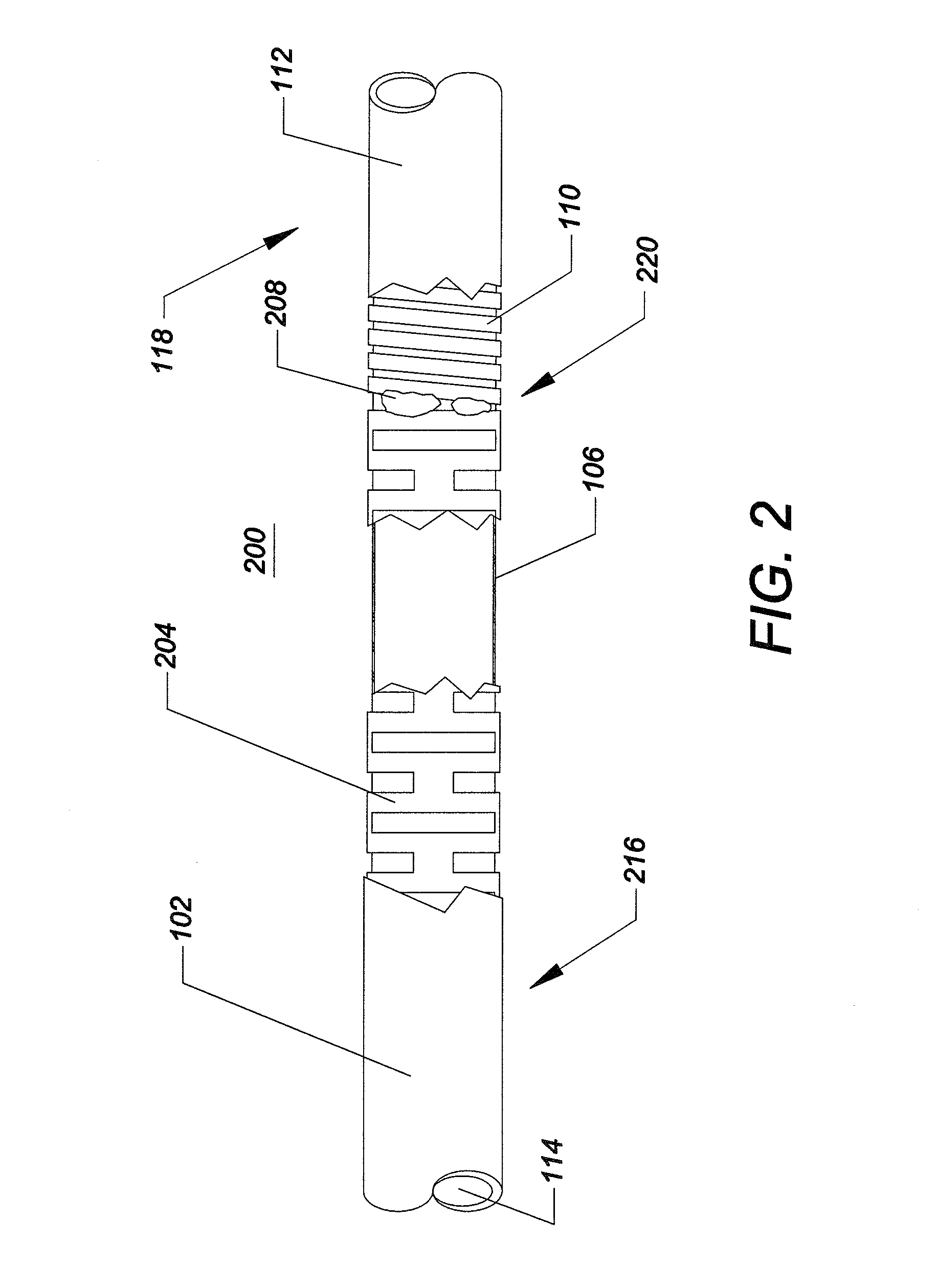
Smart Images

  • Figure 1
    Figure 1
  • Figure 2
    Figure 2
  • Figure 3
    Figure 3
Patent Text Reader

Abstract

Systems and methods for delivering implantable devices, catheters, or substances in or near and / or restoring flow through body lumens, such as blood vessel lumens are described. A catheter having a proximal portion of a first diameter and a distal portion of a second diameter (smaller than the first diameter) is advanced into a body lumen. The distal portion of the catheter is caused to expand to a diameter that is larger than the second diameter but no larger than the first diameter. A working device is then advanced out of the distal end of the catheter and used to remove obstructive matter, deliver an implantable device or substance and / or restore flow. The distal portion can be reduced in diameter prior to removal from the body. A stand alone, guide catheter is also disclosed possessing high resistance to kinking even with a very thin wall.
Need to check novelty before this filing date? Find Prior Art

Description

RELATED APPLICATION

[0001] This patent application claims priority to U.S. Provisional Patent Application No. 61 / 362,208 filed Jul. 7, 2010, the entire disclosure of which is expressly incorporated herein by reference.FIELD OF THE INVENTION

[0002] The present invention relates generally to medical devices and methods and more particularly to catheter-based systems and methods useable for accessing, diagnosing, or treating defects in blood vessels, such as blood vessels of the brain.BACKGROUND OF THE INVENTION

[0003] Stroke is a common cause of death in the United States and disabling neurologic disorder. Approximately 700,000 patients suffer from stroke annually. Stroke is a syndrome characterized by the acute onset of a neurological deficit that persists for at least 24 hours, reflecting focal involvement of the central nervous system, and is the result of a disturbance of the cerebral circulation. Its incidence increases with age. Risk factors for stroke include systolic or diastolic hy...

Examples

Embodiment Construction

[0027]The inventions disclosed herein may be embodied in other specific forms without departing from its spirit or essential characteristics. The described embodiments are to be considered in all respects only as illustrative and not restrictive. The scope of the inventions is therefore indicated by the appended claims rather than the foregoing description. All changes that come within the meaning and range of equivalency of the claims are to be embraced within their scope.

[0028]As used herein, the terms proximal and distal refer to a direction or a position along a longitudinal axis of a catheter or medical instrument. Proximal refers to the end of the catheter or medical instrument closer to the operator, while distal refers to the end of the catheter or medical instrument closer to the patient. For example, a first point is proximal to a second point if it is closer to the operator end of the catheter or medical instrument than the second point. The measurement term French, abbre...