
Data access control apparatus for limiting data access in accordance with user attribute
- Summary
- Abstract
- Description
- Claims
- Application Information
AI Technical Summary
Benefits of technology
Problems solved by technology
Method used
Image

Examples
Embodiment Construction
An embodiment of the present invention will be described with reference to FIGS. 1 through 21.
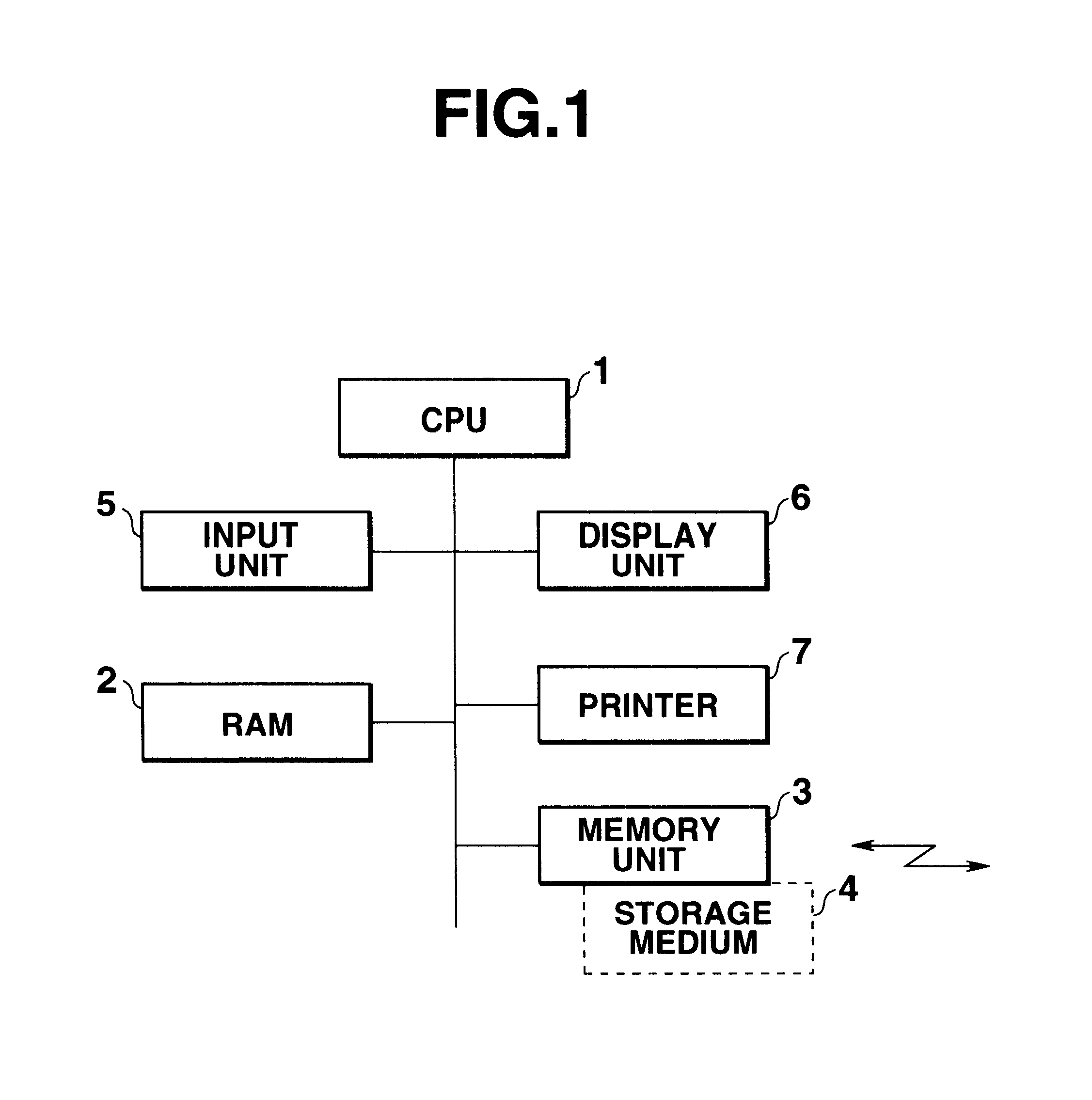
FIG. 1 is a block diagram showing the overall arrangement of a data access control apparatus.
A CPU 1 is a central processing unit for controlling the overall operation of the data access control apparatus in accordance with a variety of programs loaded in a RAM 2. A memory unit 3 has a storage medium 4 which stores an operating system, a variety of application programs, a database, character font data, and the like in advance, and a drive system for the storage medium 4. The storage medium .4 may be a fixed or detachable medium and can be constituted by a magnetic or optical storage medium (e.g., a floppy disk, hard disk, optical disk, or RAM card), or a semiconductor memory. The programs and data in the storage medium 4 can be loaded in the RAM 2 under the control of the CPU 1, as needed. The CPU 1 receives a program and data transmitted from another device through a communication line or ...
PUM
 Login to View More
 Abstract
Description
Claims
Application Information
 Login to View More