
Applications of polypeptides PSA2 for producing prostate gland carcinoma diagnose kit
A diagnostic kit, PSA2 technology, applied in the biological field, can solve the problems of low diagnostic specificity of the PSA diagnostic kit, and achieve the effect of improving the diagnostic efficiency and solving the low diagnostic specificity
- Summary
- Abstract
- Description
- Claims
- Application Information
AI Technical Summary
Problems solved by technology
Method used
Image


Examples
Embodiment 1
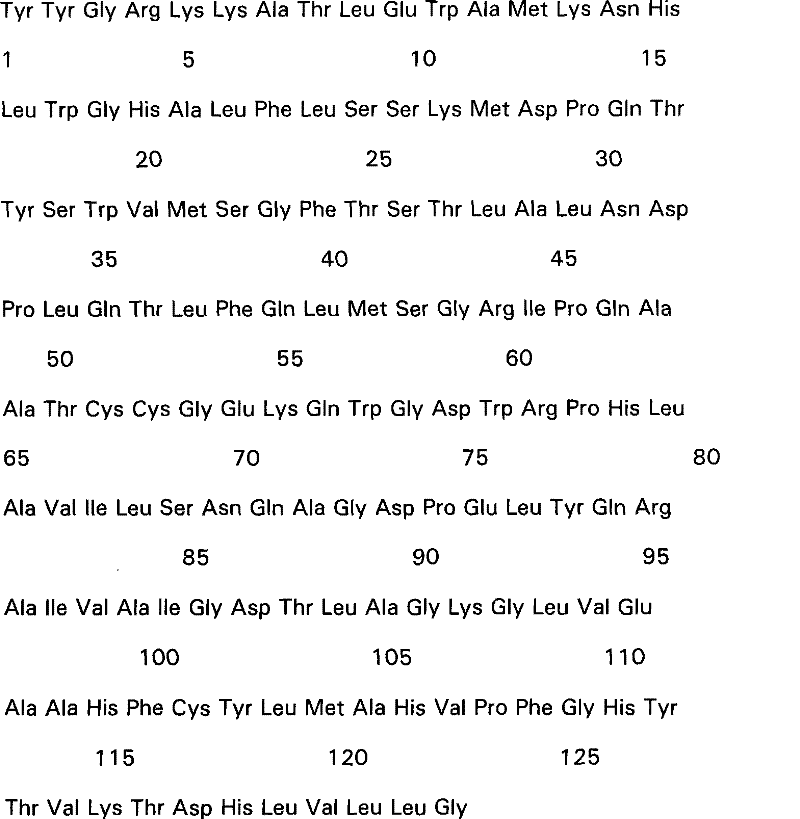
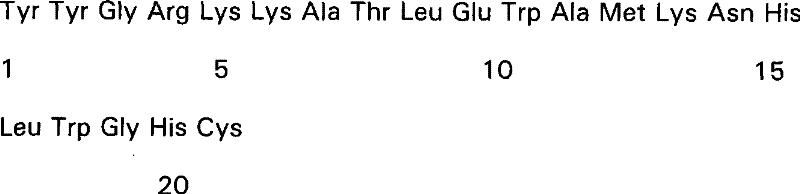
[0089] Embodiment 1, goat anti-human recombinant polypeptide PSA2 IgG antibody preparation
[0090] Take healthy male 50kg adult sheep and immunize with human recombinant polypeptide PSA2 purified protein antigen / synthetic polypeptide. For the first time, the antigen was mixed with BCG and Freund's adjuvant, injected into sheep neck lymph nodes and subcutaneous muscle tissue, once every two weeks, a total of 4-5 times of immunization, the amount of antigen 5mg / time. Blood was collected two weeks after the last immunization, and the goat anti-human serum was subjected to secondary precipitation with saturated ammonium sulfate and then applied to an ion-exchange chromatography column to obtain goat anti-human recombinant polypeptide PSA2 IgG antibody, which was tested for titer and frozen for later use.
Embodiment 2
[0091] Example 2, preparation of rabbit anti-human recombinant polypeptide PSA2IgG antibody
[0092] Take healthy male adult rabbits (5kg) and immunize them with human recombinant polypeptide PSA2 purified protein antigen / synthetic polypeptide. For the first time, the antigen was mixed with BCG and Freund's adjuvant, and injected into the subcutaneous muscle tissue of rabbits, once every two weeks, a total of 4 times of immunization, the amount of antigen was 0.5mg / time. Blood was collected two weeks after the last immunization. Goat anti-human serum was subjected to secondary precipitation with saturated ammonium sulfate and applied to an ion-exchange chromatography column to obtain rabbit anti-human human recombinant polypeptide PSA2 IgG antibody. The titer was determined and frozen for future use.
Embodiment 3
[0093] Embodiment 3, preparation of mouse anti-human recombinant polypeptide PSA2 IgG antibody
[0094] Take healthy male adult guinea pigs and immunize them with human recombinant polypeptide PSA2 purified protein antigen / synthetic polypeptide. For the first time, the antigen was mixed with BCG and Freund's adjuvant, injected into the subcutaneous muscle tissue of guinea pigs, once every two weeks, a total of 4 times of immunization, the amount of antigen was 0.1mg / time. Blood was collected two weeks after the last immunization. The mouse anti-human serum was subjected to secondary precipitation with saturated ammonium sulfate and applied to an ion-exchange chromatography column to obtain the mouse anti-human recombinant polypeptide PSA2 IgG antibody. The titer was determined and frozen for future use.
PUM
| Property | Measurement | Unit |
|---|---|---|
| wavelength | aaaaa | aaaaa |
| wavelength | aaaaa | aaaaa |
Abstract
Description
Claims
Application Information
 Login to View More