
Method for manufacturing adjustable liver injury animal model and special carriers thereof
An expression vector and eukaryotic expression vector technology, applied in the production of regulated animal models of liver injury and the field of dedicated vectors, can solve the problems of TRE downstream gene transcriptional activation blocking, inability to bind, etc., to reduce difficulty and improve survival rate effect
- Summary
- Abstract
- Description
- Claims
- Application Information
AI Technical Summary
Problems solved by technology
Method used
Image

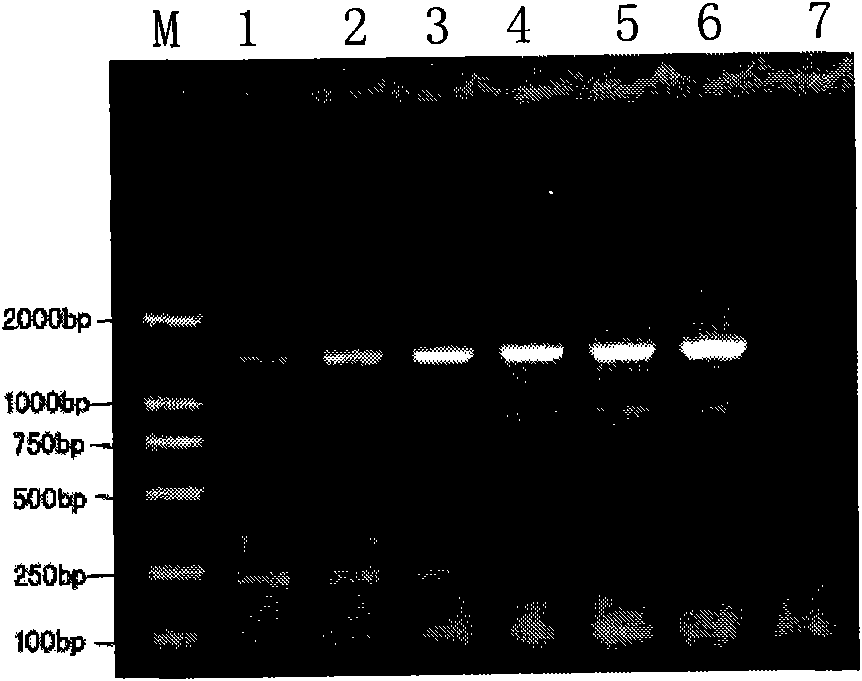
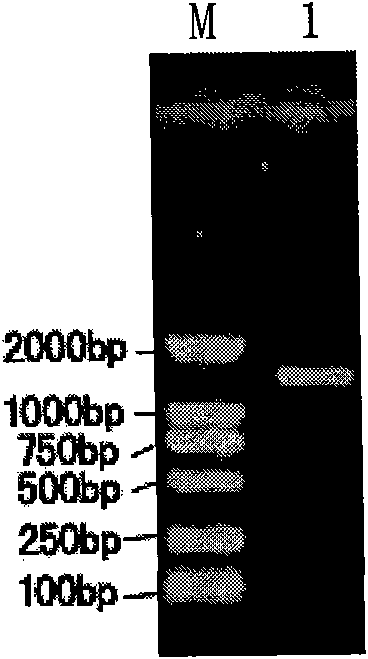
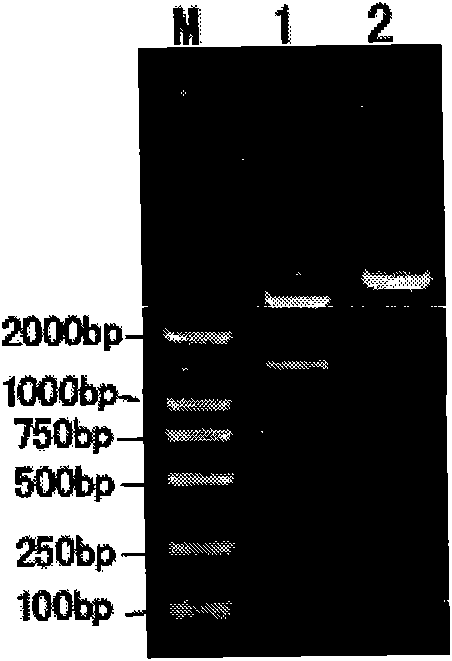
Examples
Embodiment 1
[0084] Example 1, Construction of Tet-on Regulated Recombinant Vector for the Specific Expression of uPA Gene in Mouse Liver
[0085] There are two recombinant vectors that Tet-on regulates the specific expression of uPA gene in mouse liver, one is the recombinant expression vector pTRE-uPA carrying the response element TRE and uPA gene expressed by Tet-on, and the other is carrying the mouse The recombinant vector pAlb-rtTA of albumin (Albumin) promoter and Tet-on expression regulatory element rtTA gene. In pAlb-rtTA, the rtTA gene is located under the Albumin promoter and is regulated by it, and is specifically expressed in the mouse liver; and the change of the concentration of rtTA in the liver can regulate the expression of the prourokinase activator (uPA) gene.
[0086] The specific construction methods of pTRE-uPA and pAlb-rtTA are as follows:
[0087] 1. Construction of pTRE-uPA plasmid vector and preparation of DNA samples for prokaryotic injection
[0088] The cDNA...
Embodiment 2
[0240] Embodiment 2, making and breeding of transgenic mice
[0241] 1. Production and identification of transgenic mice
[0242] 1. Production of transgenic mice
[0243] ① Select 4-5 weeks old female ICR mice with closed vaginal opening as donors, and inject 10 IU of pregnant horse serum (PMSG) intraperitoneally into each mouse at around 3:00 pm.
[0244] ②47-48 hours later, each mouse was intraperitoneally injected with 10 IU of human chorionic gonadotropin (HCG), and caged with normal male mice to provide fertilized eggs. Another number of female mice of appropriate age (more than 2 months old) were selected, and the female mice in estrus with flushed vaginal orifice were selected as recipients, and they were caged with ligated male mice.
[0245] ③Observe the donor and recipient before 9:00 a.m. on the next day. Those who have sperm plugs take out spares, and the recipient cages are taken out for isolation measures.
[0246] ④ Around 10:30, the donor was executed by ne...
PUM
 Login to View More
 Abstract
Description
Claims
Application Information
 Login to View More