Application of niclosamide ethanolamine salt in preparation of type 1 diabetes medicine

A technology of niclosamide ethanolamine salt and type 1 diabetes, which is applied in the application field of preparing drugs for the prevention and treatment of type 1 diabetes and its complications, and can solve the disability and fatality rate, tendency of spontaneous ketosis, serious complications, etc. problems, achieve the effects of lowering blood sugar, increasing serum insulin levels, and improving muscle function

CN106420684BActive Publication Date: 2019-06-25SHENZHEN TRADITIONAL CHINESE MEDICINE HOSPITAL
3 Cites 0 Cited by

Patent Information

Authority / Receiving Office
CN · China
Patent Type
Patents(China)
Current Assignee / Owner
Publication Date
2019-06-25

Smart Images

  • Figure 1
    Figure 1
  • Figure 2
    Figure 2
  • Figure 3
    Figure 3
Patent Text Reader

Abstract

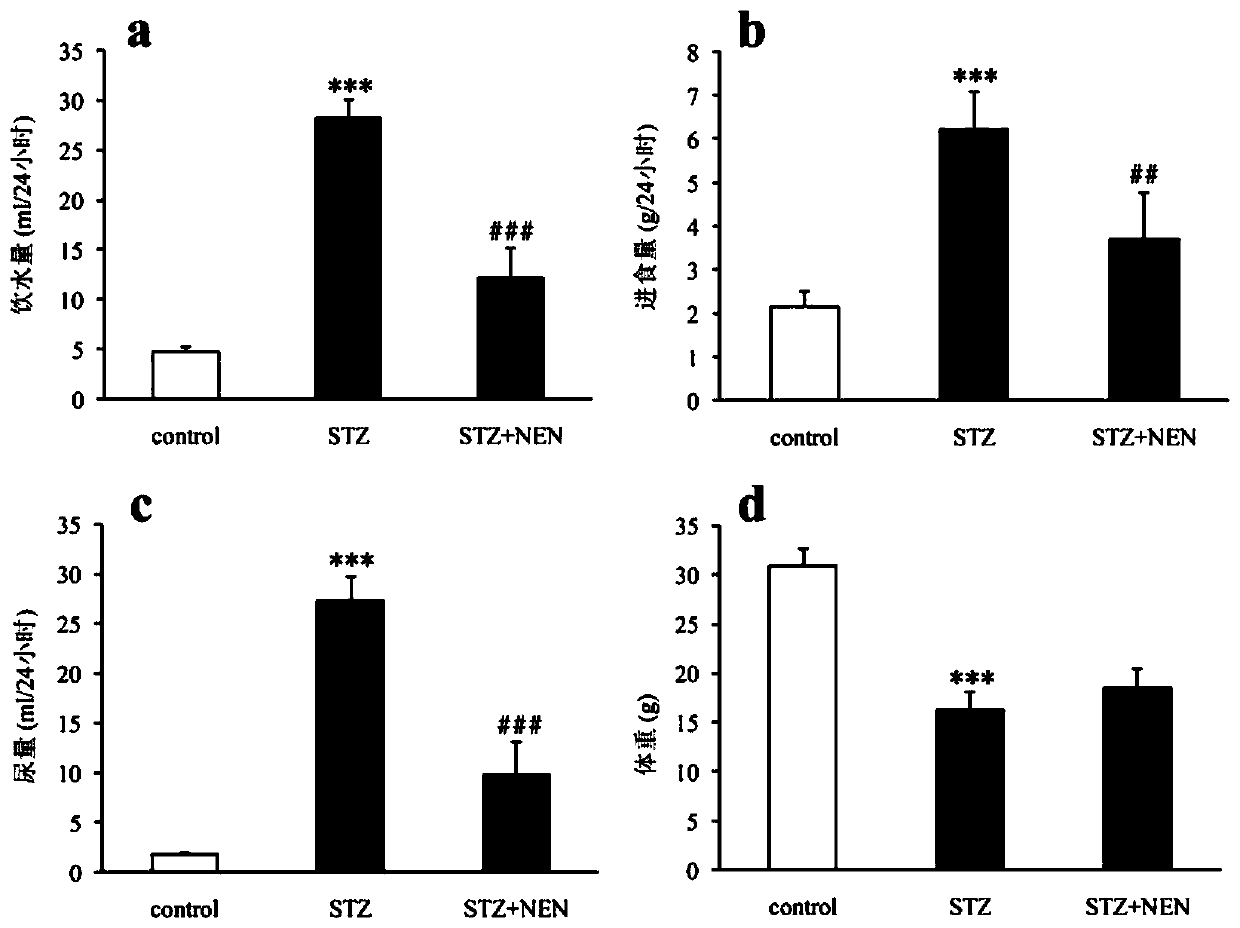
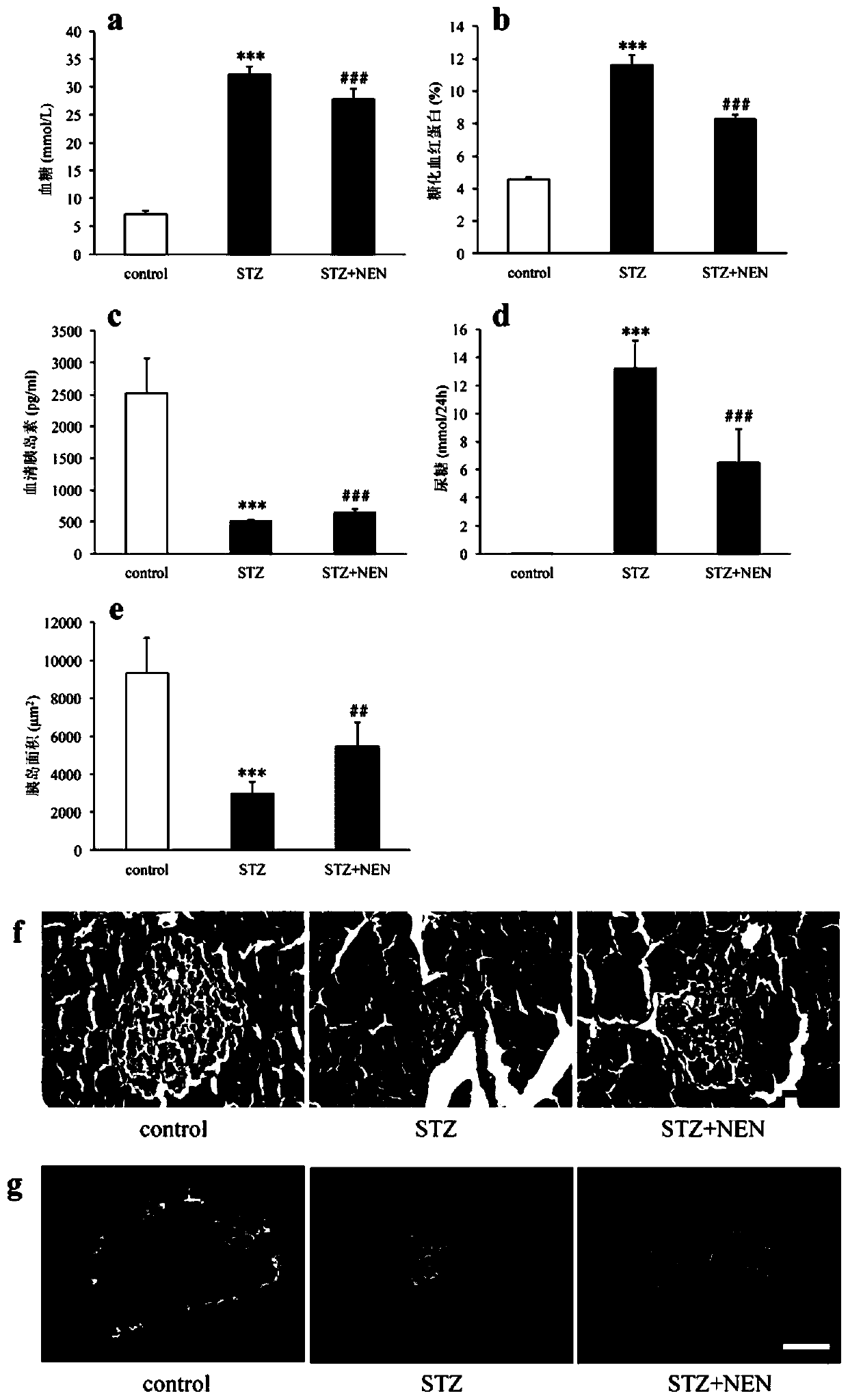
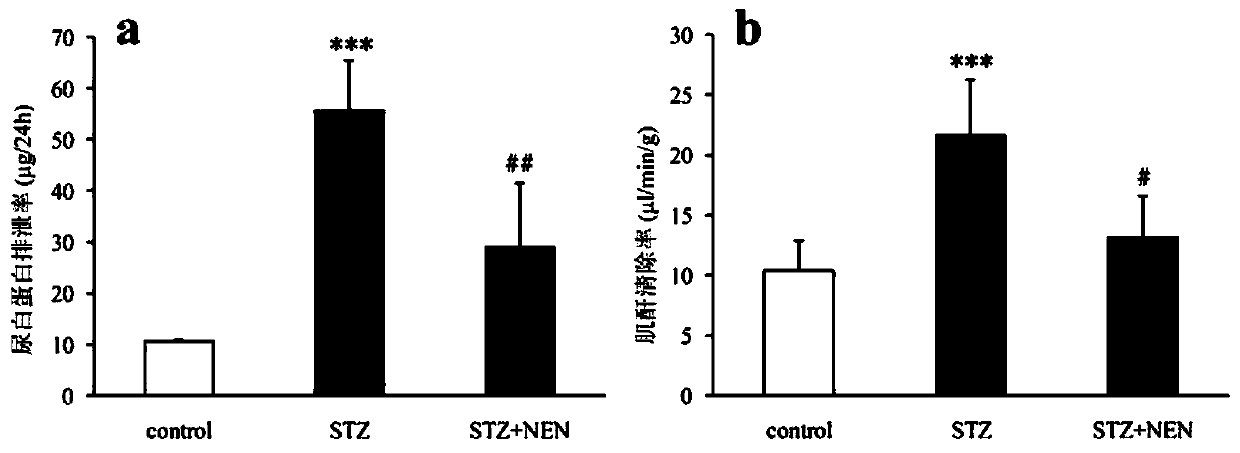
The invention relates to a novel application of niclosamide ethanolamine salt, and in particular to the application of the niclosamide ethanolamine salt in preparing medicines for preventing and treating diabetes type 1 and complications thereof; and the invention also conducts studies on the protective effect and the action mechanism of the niclosamide ethanolamine salt on the diabetes type 1 and the complications thereof. Results show that the niclosamide ethanolamine salt can improve symptoms of polyuria, polydipsia and polyphagia in a mouse with the diabetes type 1, reduce blood glucose, glycosylated hemoglobin and urine glucose levels, increase a serum insulin level and improve pancreas pathological damage. In the aspect of protecting a kidney target organ, the niclosamide ethanolamine salt can reduce a urinary albumin excretion rate, lower a creatinine clearance rate, diminish the area of glomerular vascular loops, reduce NAG and NGAL discharge in urine and inhibit activation of Akt / mTOR / 4E-BP1 signaling pathways in kidney tissues. In addition, the niclosamide ethanolamine salt can also take an obvious protecting effect on liver and achieve a significant improving effect on muscle functions. Therefore, the niclosamide ethanolamine salt has a significant protective effect on the diabetes type 1 and the complications thereof.
Need to check novelty before this filing date? Find Prior Art

Description

technical field

[0001] The present invention relates to a new application of Niclosamide ethanolamine salt (NEN), more specifically, relates to the application of NEN in the preparation of drugs for preventing and treating type 1 diabetes and its complications. Background technique

[0002] Type 1 diabetes, also known as insulin-dependent diabetes, is a type of metabolic disease in which the destruction of pancreatic β cells leads to an absolute lack of insulin, which in turn leads to elevated blood sugar. Typical type 1 diabetes is mainly manifested as "three excesses and one less" symptoms, that is, polydipsia, polyphagia, polyuria, weight loss, and a tendency to spontaneous ketosis, with serious complications, high disability and mortality rates. Apart from insulin therapy, there is no effective oral hypoglycemic drug.

[0003] Niclosamide and its ethanolamine salt are molluscicides and anthelmintics recommended by WHO. Recent studies have shown that these drugs have obv...

Examples

Embodiment Construction

[0024] Embodiments of the present invention will be specifically described below in conjunction with the accompanying drawings.

[0025] Type 1 diabetes is mainly due to the absolute lack of insulin caused by the destruction of pancreatic β cells, which in turn leads to elevated blood sugar, severe complications, high disability and death rates. sugar drug.

[0026] The present invention aims to observe the prevention and treatment effect of NEN on type 1 diabetes and its complications.

[0027] 1. Experimental method

[0028] 1. Animal model: 8-week-old male C57BL / 6 mice (body weight 18-22 g) were purchased from Guangdong Medical Experimental Animal Center. Animal experiments were carried out in strict accordance with the animal ethics guidelines and regulations of Guangzhou University of Traditional Chinese Medicine. The experimental animals were controlled at a constant room temperature of 20±1° C., with 12-hour light and 12-hour dark cycles, while free to eat and drink....