

Method for inducing SH-SY5Y cells to differentiate into dopaminergic neurons
A SH-SY5Y, dopaminergic technology, applied in the field of neuroscience research, can solve the problem of lack of cell models, and achieve the effect of high differentiation level and high differentiation rate
Patent Information
- Authority / Receiving Office
- CN · China
- Patent Type
- Applications(China)
- Current Assignee / Owner
- Publication Date
- 2017-10-24
Smart Images
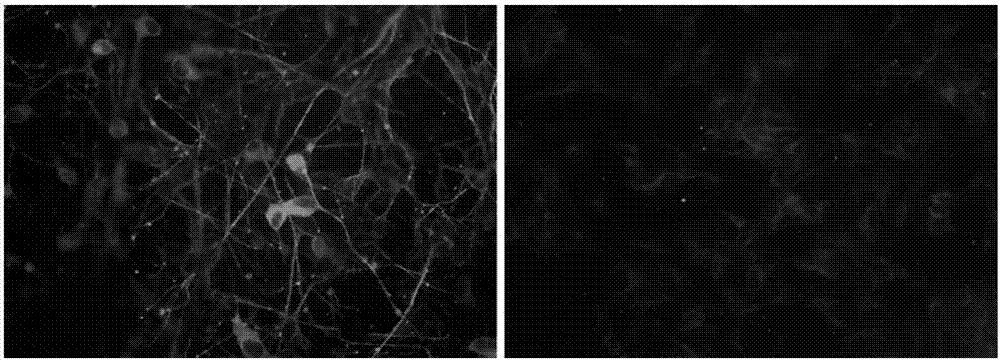
Figure 1 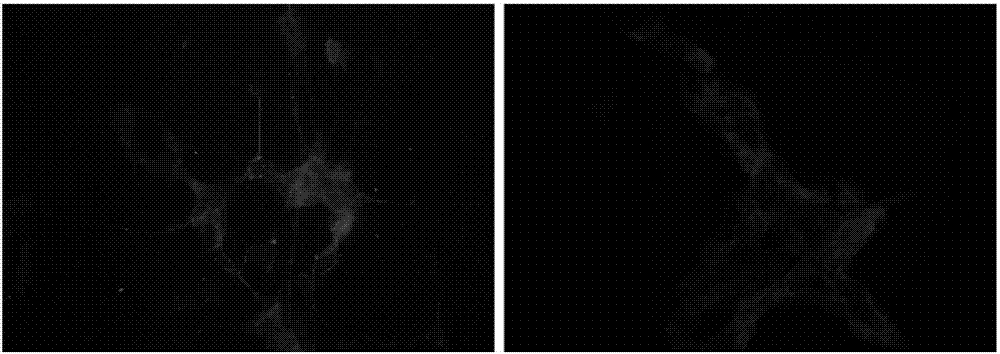
Figure 2 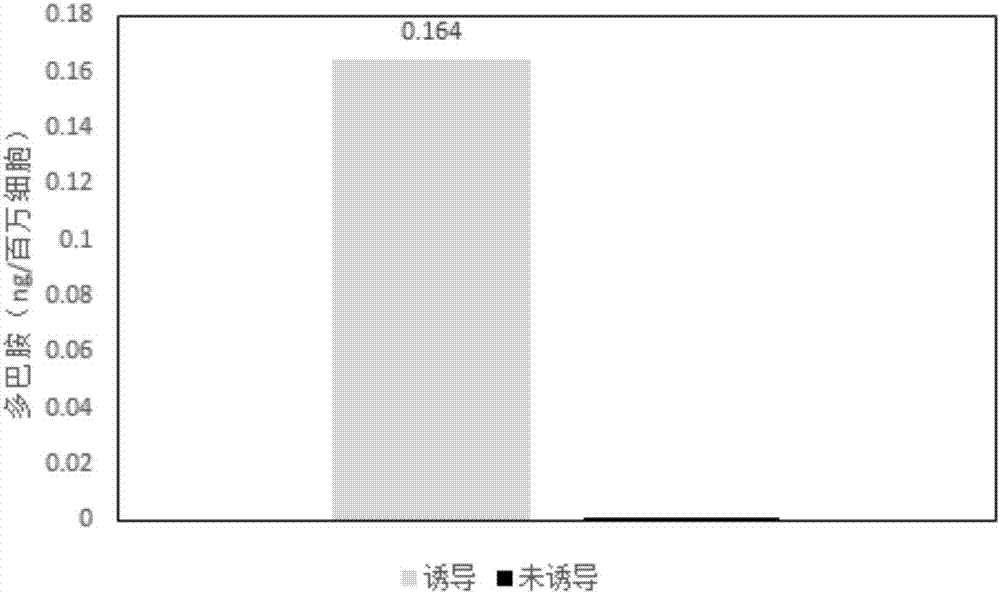
Figure 3
Abstract
Description
technical field
[0001] The invention relates to cell transdifferentiation technology in the field of neuroscience research, in particular to a method for inducing SH-SY5Y cells (human neurofibroblastoma cells) to differentiate into dopaminergic neurons. Background technique
[0002] Parkinson's disease (PD) is a neurodegenerative disease that often occurs in middle-aged and elderly people. The main clinical symptoms are resting tremor, bradykinesia, muscle rigidity, and abnormal posture and gait. Its incidence tends to increase with age, which brings a lot of inconvenience to patients' life and work. The main pathological change of PD is the degeneration and necrosis of dopamine neurons in the substantia nigra of the midbrain. The mouse PD models used in scientific research are often models constructed with 6-OHDA, MPTP, etc. The principle is to cause dopamine in the nigrostriatum A large number of neurons die, so that the mice show the typical symptoms of PD.
[0003] Dop...
Examples
Embodiment 1
[0026] Example 1 Culture medium preparation
[0027] Basal medium: DMEM / F12 medium (Gibco), FBS (15%, Gibco), Antibiotic-Antimycotic mixture (1%, Gibco).
[0028] Induction medium S1: DMEM / F12 medium (Gibco), B27 (1:50, Invitrogen), FBS (1%, Gibco), Antibiotic-Antimycotic mixture 1%, heparin sodium (5 μg / ml, Changzhou Qianhong Biochemical Co., Ltd. ), L-glutamine (2 mM, Invitrogen), aFGF (100 ng / mL, R&D), TPA (phorbol 12-myristate 13-acetate, 100 nM, sigma), forskolin (25 μM, sigma), dbcAMP ( 100 μM, sigma), pramipexole (10 μM, sigma).
[0029]Induction medium S2: DMEM / F12 medium (Gibco), B27 (1:50, Invitrogen), FBS (1%, Gibco), Antibiotic-Antimycotic mixture 1%, heparin sodium (5 μg / ml, Changzhou Qianhong Biochemical Co., Ltd. ), L-glutamine (2 mM, Invitrogen), aFGF (50 ng / mL, R&D), TPA (phorbol 12-myristate 13-acetate, 50 nM, sigma), forskolin (25 μM, sigma), dbcAMP ( 50 μM, sigma), pramipexole (10 μM, sigma).
[0030] Induction medium S3: DMEM / F12 medium (Gibco), B27 (1...
Embodiment 2
[0032] Example 2 Culture of SH-SY5Y cells
[0033] Recovery: Take the purchased SH-SY5Y cells (purchased from Nanjing Kaiji Biotech) 1×10 6 In 10mL basal medium, centrifuge at 1000rpm for 5min, discard the supernatant. Take 8mL basal medium to resuspend the cells, transfer to a T25 cell culture flask, and place at 37°C, 5% CO 2 cultured in an incubator.
[0034] Cultivation: The cell culture medium was changed every 2 days.
[0035] Subculture: When the cell adhesion reaches more than 80%, proceed to subculture. Carefully aspirate the medium, add 10 mL of PBS (Hyclone) buffer to wash the cells once, and discard the buffer. Add 1 mL of Accutase (StemCell TECHNOLOGIES) to each T25 flask of cells, and digest at 37°C for 1-2 min until the cells are completely detached from the culture flask. 4 mL of basal medium terminated the digestion. Transfer the digested cell suspension into a 15mL centrifuge tube, centrifuge at 1000rpm for 5min, discard the supernatant, resuspend the c...
Embodiment 3
[0036] Example 3 Induced differentiation of SH-SY5Y cells
[0037] The SH-SY5Y cells subcultured in Example 2 were cultured in basal medium, and when the cell confluence reached 80%, the cells were digested with Accutase. Place 4 polylysine-coated glass slides (cell slides) in a Φ60mm petri dish, and add 1×10 5 For each SH-SY5Y cell, the basal medium supplemented the system to 4mL. After the SH-SY5Y cells adhered to the wall after culturing for 24 hours, all the basal medium was discarded and replaced with 4 mL of induction medium S1. The induction medium S1 was completely changed every 2 days, and the dopaminergic neurons were formed after 7 days of culture.