
A direct methanol fuel cell
A methanol fuel cell, direct technology, applied in fuel cells, battery electrodes, circuits, etc., can solve problems such as easy oxidation, affecting catalyst stability, battery performance, etc., to improve performance, improve anti-CO poisoning ability, and improve catalytic oxidation performance. Effect
- Summary
- Abstract
- Description
- Claims
- Application Information
AI Technical Summary
Problems solved by technology
Method used
Image

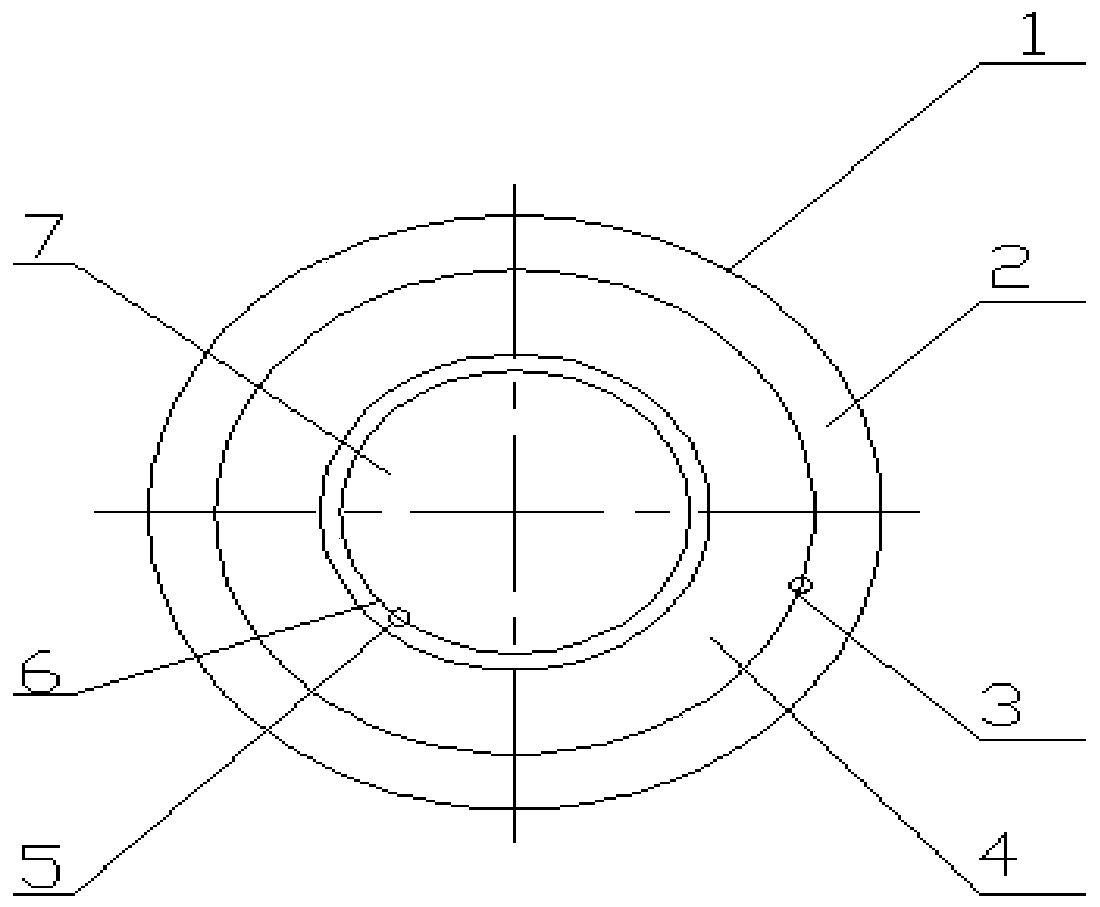
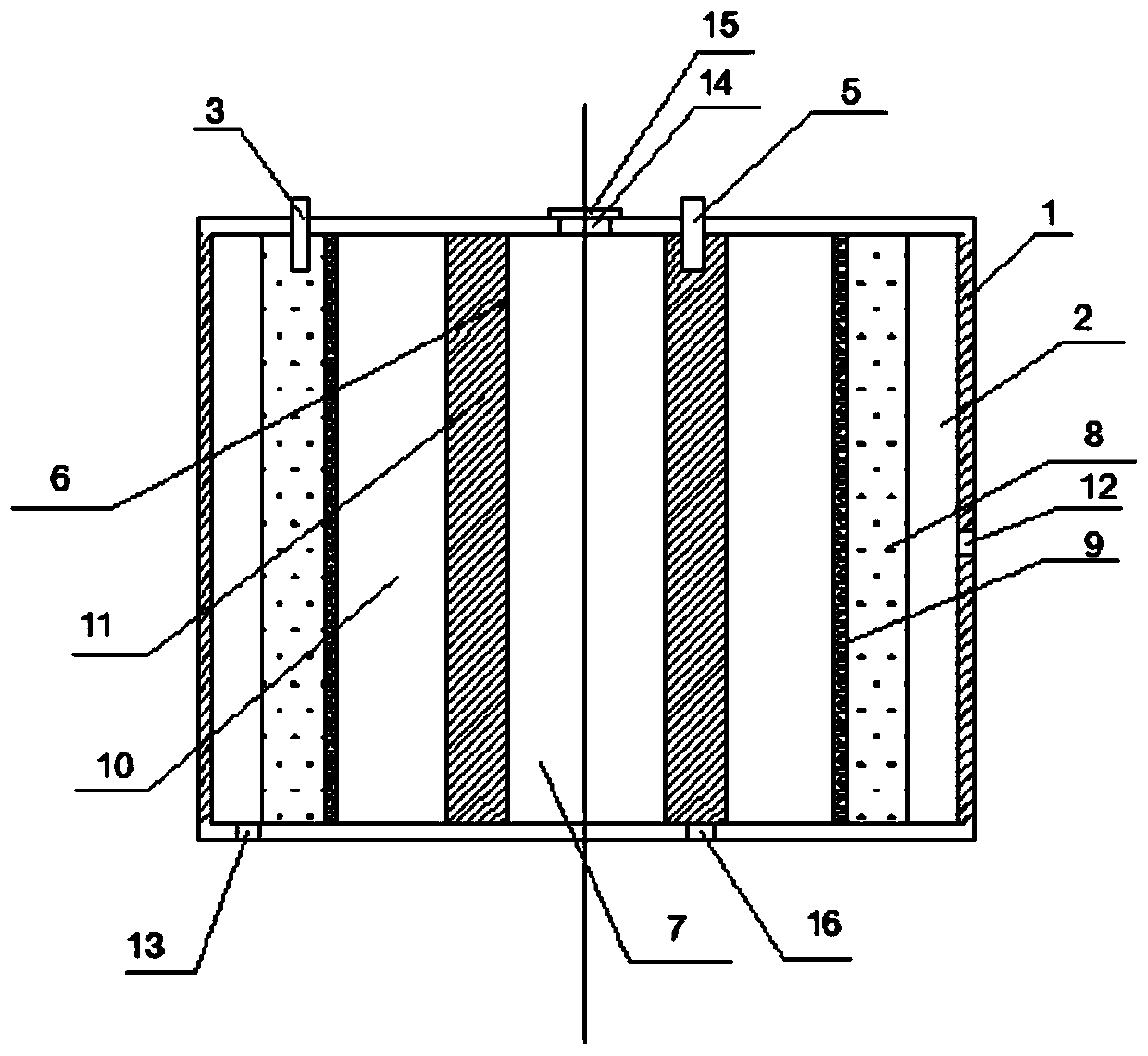
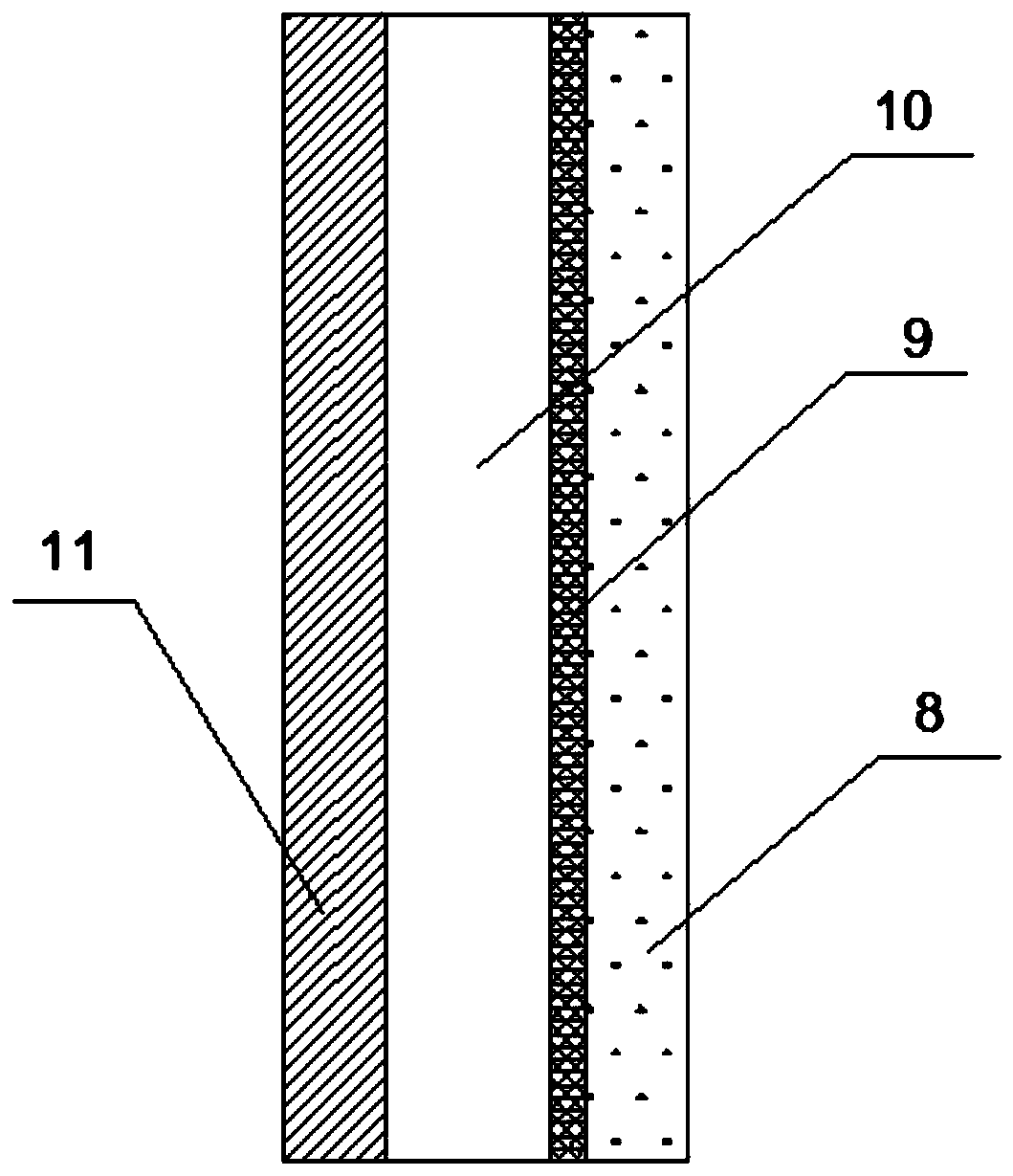
Examples
Embodiment 1
[0038] The preparation method of above-mentioned anode catalyst comprises the following steps:
[0039] (1) Porous hollow nano-TiO 2prepared by the sol-gel method. Dissolve the calculated amount of butyl titanate in a certain amount of absolute ethanol, add a certain amount of surfactants PEG-600 and Vulcan XC-72, add a mixture of absolute ethanol, glacial acetic acid and deionized water dropwise under stirring, Continue to stir after hydrolyzing to form a sol, let it stand for 2-3 days after forming a gel, and vacuum-dry at 80°C for 8-10 hours. Hollow TiO 2 nanospheres. The consumption molar ratio of butyl titanate, dehydrated alcohol, glacial acetic acid, deionized water when preparing sol is: n 钛酸丁酯 :n 无水乙醇 :n 冰醋酸 :n 去离子水 =1:20~40:1~2.5:2~6. The dosage of PEG-600 is 1% of the total volume of butyl titanate, absolute ethanol, deionized water and glacial acetic acid. The amount of Vulcan XC-72 is to completely hydrolyze butyl titanate to finally generate TiO 2 30% o...
Embodiment 2
[0052] The amount of glucose in step (2) is 0.45g, and in step (6) according to the synthetic RuNi / C@TiO 2 Medium W RuNi = 2%, RuNi molar ratio n Ru :n Ni =1:1, 348mg aniline in step (12), 202.5mg o-phenylenediamine, 1.5525g 2-acrylamide-2 methylpropanesulfonic acid and 126mg p-acetanilide, 427.5mg ammonium persulfate dissolved in 2mol / L HCl , all the other are with embodiment 1.
Embodiment 3
[0054] The amount of glucose in step (2) is 1.8g, according to the synthetic RuNi / C@TiO 2 Medium W RuNi = 3%, molar ratio n Ru :n Ni =3:7, 116.3mg aniline in step (12), 67.5mg o-phenylenediamine, 517.5mg 2-acrylamide-2 methylpropanesulfonic acid and 42mg p-acetanilide, 142.5mg persulfuric acid dissolved in 2mol / L HCl Ammonium, all the other are with embodiment 1.
PUM
 Login to View More
 Abstract
Description
Claims
Application Information
 Login to View More