
A method for improving the capacity of 1.55v nano lithium titanate battery
A technology of lithium titanate and battery capacity, applied in the field of increasing the capacity of 1.55V nano-lithium titanate single battery, can solve the problems of loss of battery performance, unsafe silicon material, reduction of battery cycle times, etc. bottleneck effect
- Summary
- Abstract
- Description
- Claims
- Application Information
AI Technical Summary
Problems solved by technology
Method used
Image

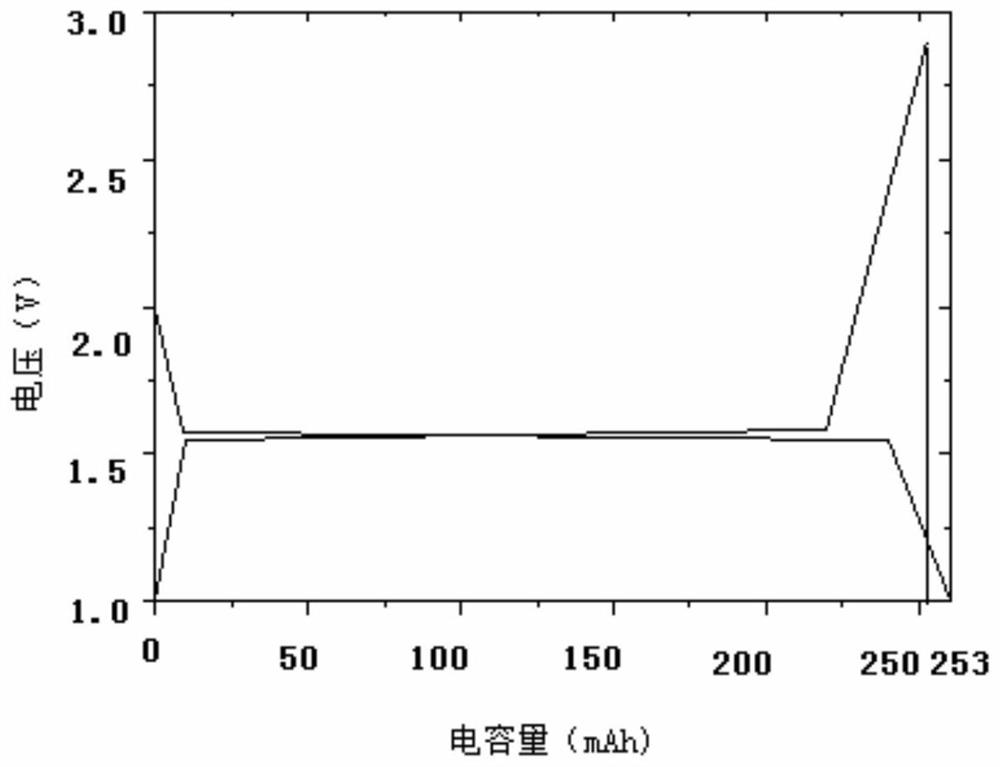
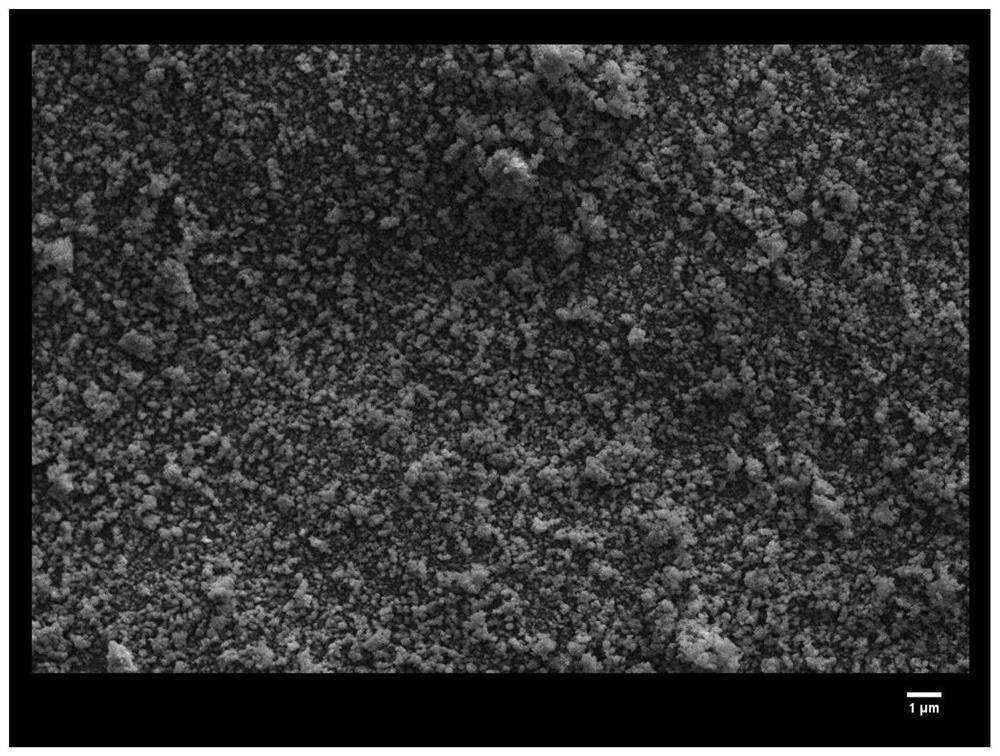
Examples
Embodiment Construction
[0023] The technical solutions of the present invention will be further described below in conjunction with the accompanying drawings and specific embodiments.
[0024] A method for improving the capacity of a 1.55V nano-lithium titanate battery, the specific steps are:
[0025] Step 1: Prepare raw materials
[0026] Weigh and weigh butyl titanate C 16 h 36 o 4 Ti, polyvinyl alcohol PVA, lithium hydroxide LiOH and terbium nitrate Tb (NO 3 ) 3 Four raw materials, the molar ratio of elements lithium, titanium and terbium is required to meet 1.666:1.323:0.01, and the weight of PVA is 5-10% of the total weight of the three raw materials of butyl titanate, lithium hydroxide and terbium nitrate;
[0027] Step 2: Precursor Synthesis
[0028] In butyl titanate C 16 h 36 o 4 Add water and polyvinyl alcohol PVA to Ti to dissolve butyl titanate, then add lithium hydroxide LiOH and terbium nitrate (NO 3 ) 3 After the aqueous solution is mixed evenly, add it to the autoclave, he...
PUM
 Login to View More
 Abstract
Description
Claims
Application Information
 Login to View More