Techniques for detecting acknowledgment from a driver of a vehicle

US11269420B1Active Publication Date: 2022-03-08HARMAN INT IND INC
4 Cites 6 Cited by

Patent Information

Authority / Receiving Office
US · United States
Current Assignee / Owner
Publication Date
2022-03-08

Smart Images

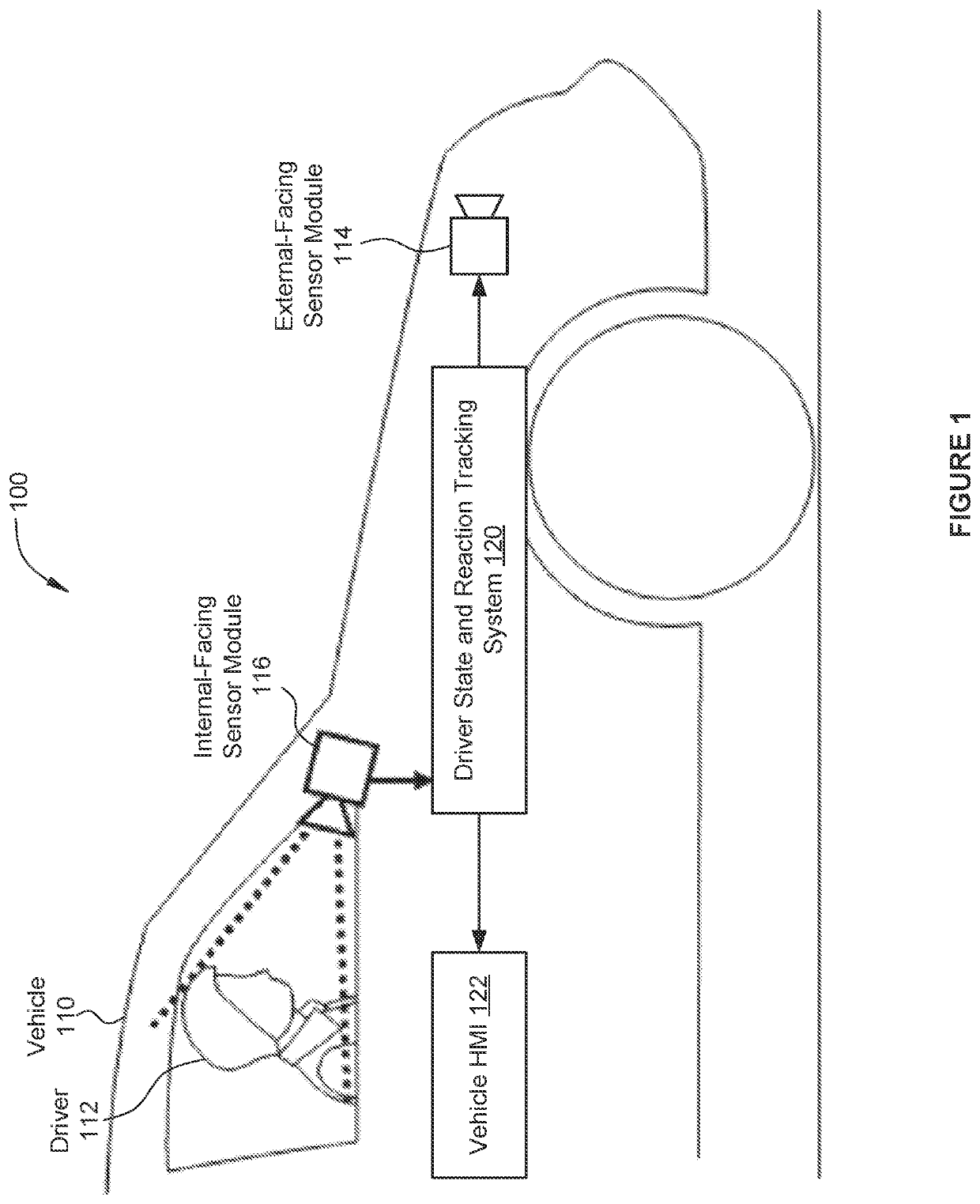
  • Figure 1
    Figure 1
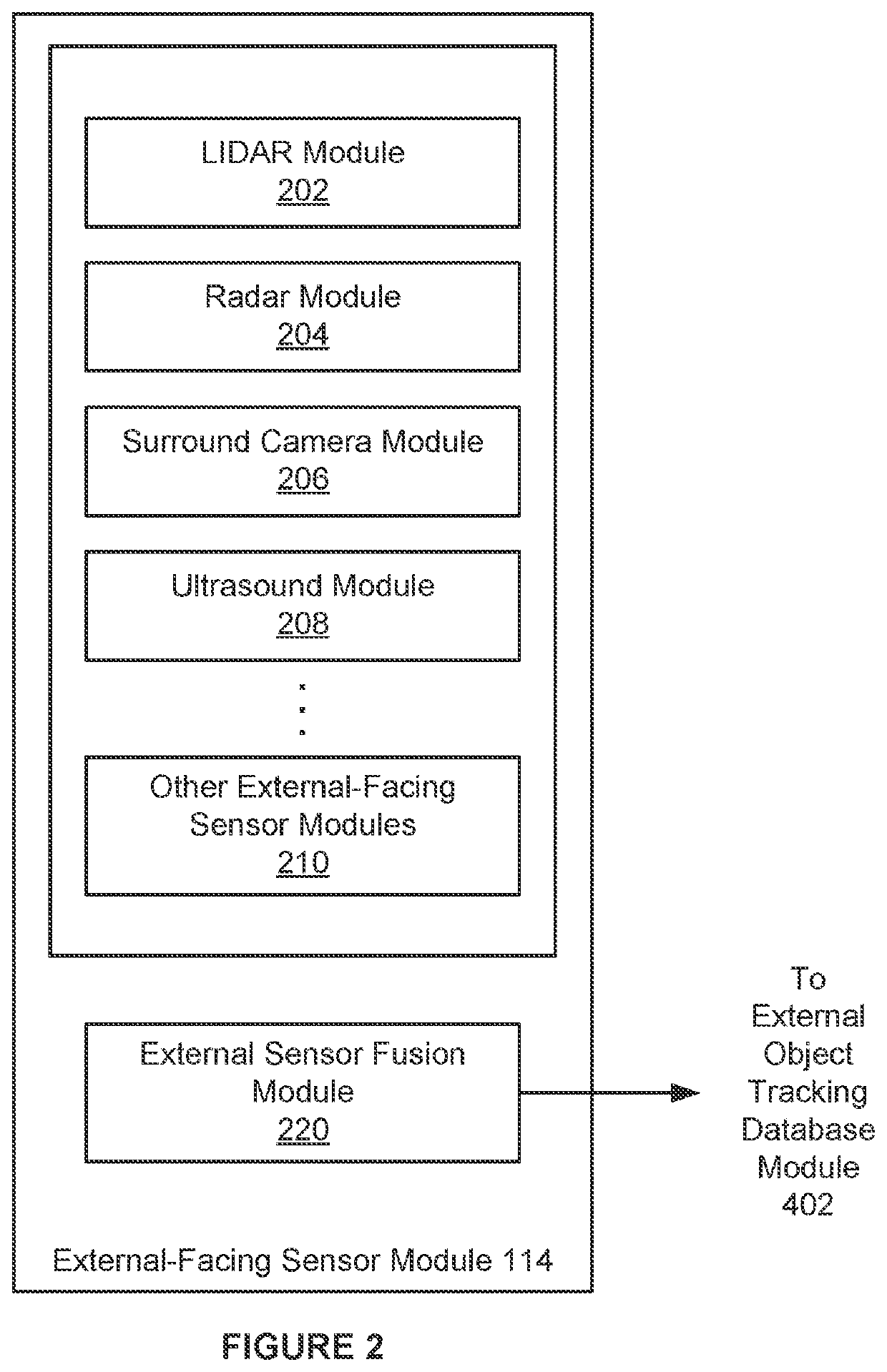
  • Figure 2
    Figure 2
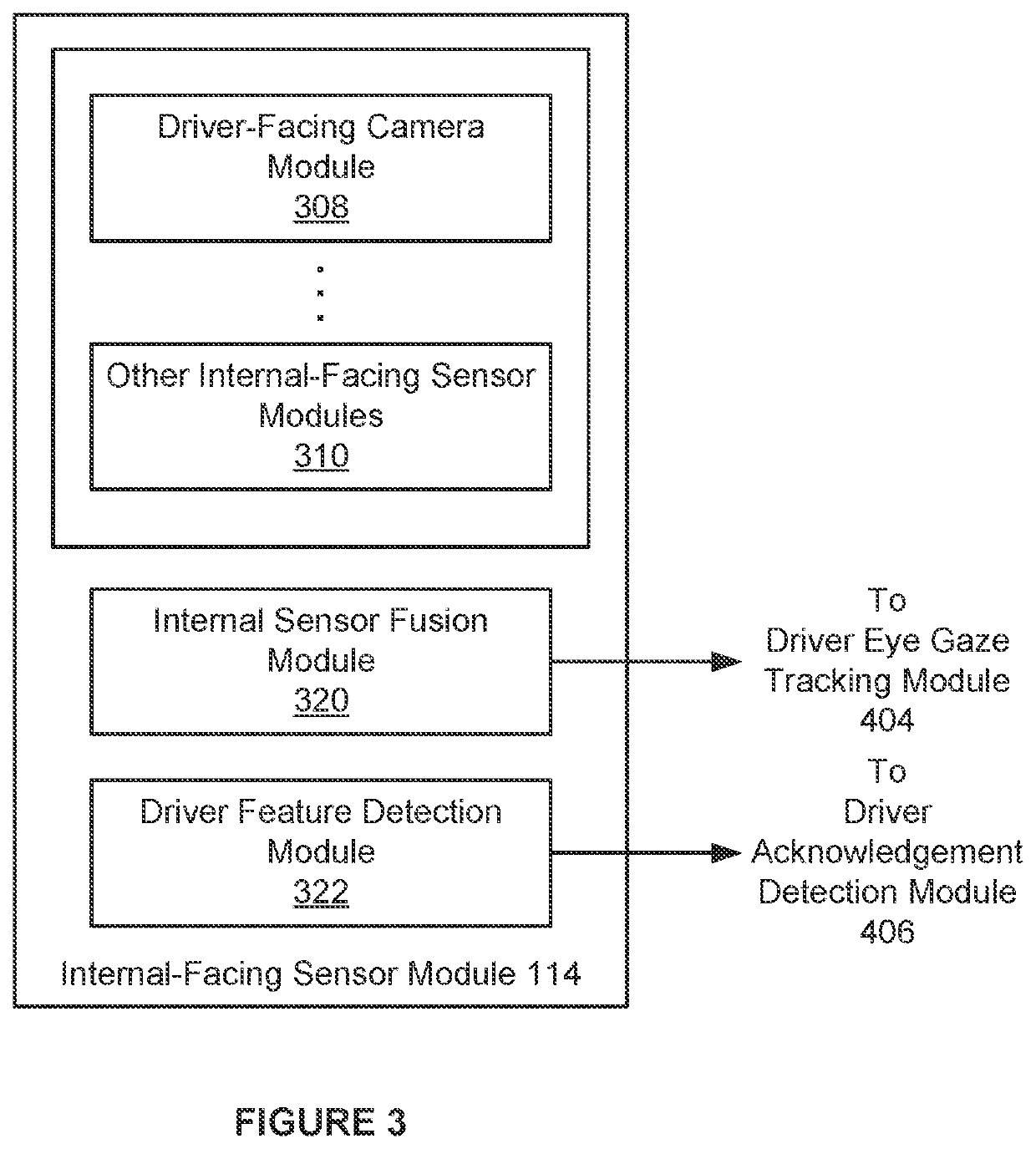
  • Figure 3
    Figure 3
Patent Text Reader

Abstract

Disclosed embodiments include techniques for detecting an acknowledgement from a driver of a vehicle. A driver state and reaction tracking system determines that a detected condition exceeds a threshold hazard potential with the vehicle. The driver state and reaction tracking system detects a gesture, by a driver, associated with the detected condition. The driver state and reaction tracking system, in response to detecting the gesture, reduces an urgency level for alerting the driver of the detected condition to generate a reduced urgency level. The driver state and reaction tracking system determines whether to issue an alert to the driver based on the reduced urgency level. The driver state and reaction tracking system may transmit an acknowledgement to other systems associated with pedestrians, bicyclists, motorcyclists, semiautonomous vehicles, manually driven vehicles and / or the like. to confirm that the driver has seen the pedestrian, bicyclist, motorcyclist, or vehicle associated with the other system.
Need to check novelty before this filing date? Find Prior Art

Description

BACKGROUNDField of the Embodiments of the Present Disclosure

[0001] Embodiments of the present disclosure relate generally to driver monitoring systems and, more specifically, to techniques for detecting acknowledgments from a driver of a vehicle.Description of the Related Art

[0002] Many modern vehicles are equipped with an advanced driver-assistance system (ADAS) with externally facing sensors for detecting objects in the external environment surrounding the vehicle. Upon detecting such objects, and knowing the speed and direction of travel of the vehicle, the ADAS determines whether the driver is about to perform a dangerous operation, such as colliding with an object, driving through a stoplight, and / or the like. Many modern vehicles further include a driver monitoring system (DMS) that determines a general awareness of the driver by determining the eye gaze direction of the driver, the fatigue level of the driver, the cognitive load of the driver, and / or the like. If the ADAS deter...

Examples

Embodiment Construction

[0001]Embodiments of the present disclosure relate generally to driver monitoring systems and, more specifically, to techniques for detecting acknowledgments from a driver of a vehicle.

Description of the Related Art

[0002]Many modern vehicles are equipped with an advanced driver-assistance system (ADAS) with externally facing sensors for detecting objects in the external environment surrounding the vehicle. Upon detecting such objects, and knowing the speed and direction of travel of the vehicle, the ADAS determines whether the driver is about to perform a dangerous operation, such as colliding with an object, driving through a stoplight, and / or the like. Many modern vehicles further include a driver monitoring system (DMS) that determines a general awareness of the driver by determining the eye gaze direction of the driver, the fatigue level of the driver, the cognitive load of the driver, and / or the like. If the ADAS determines that the driver is about to perform a dangerous operat...