Film formation system and film formation method

US20110159700A1Inactive Publication Date: 2011-06-30AUROTEK CORP

Patent Information

Authority / Receiving Office
US ยท United States
Current Assignee / Owner
AUROTEK CORP
Publication Date
2011-06-30
Estimated Expiration
Not applicable ยท inactive patent

Smart Images

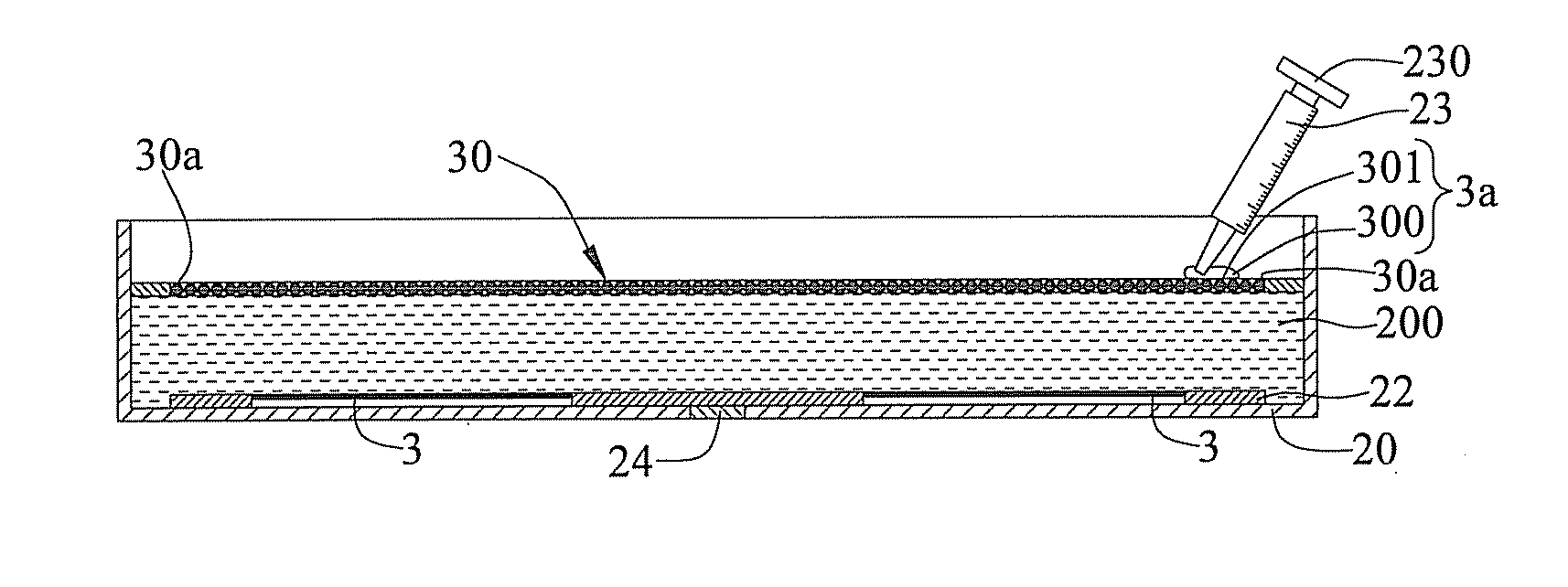
  • Figure 1
    Figure 1
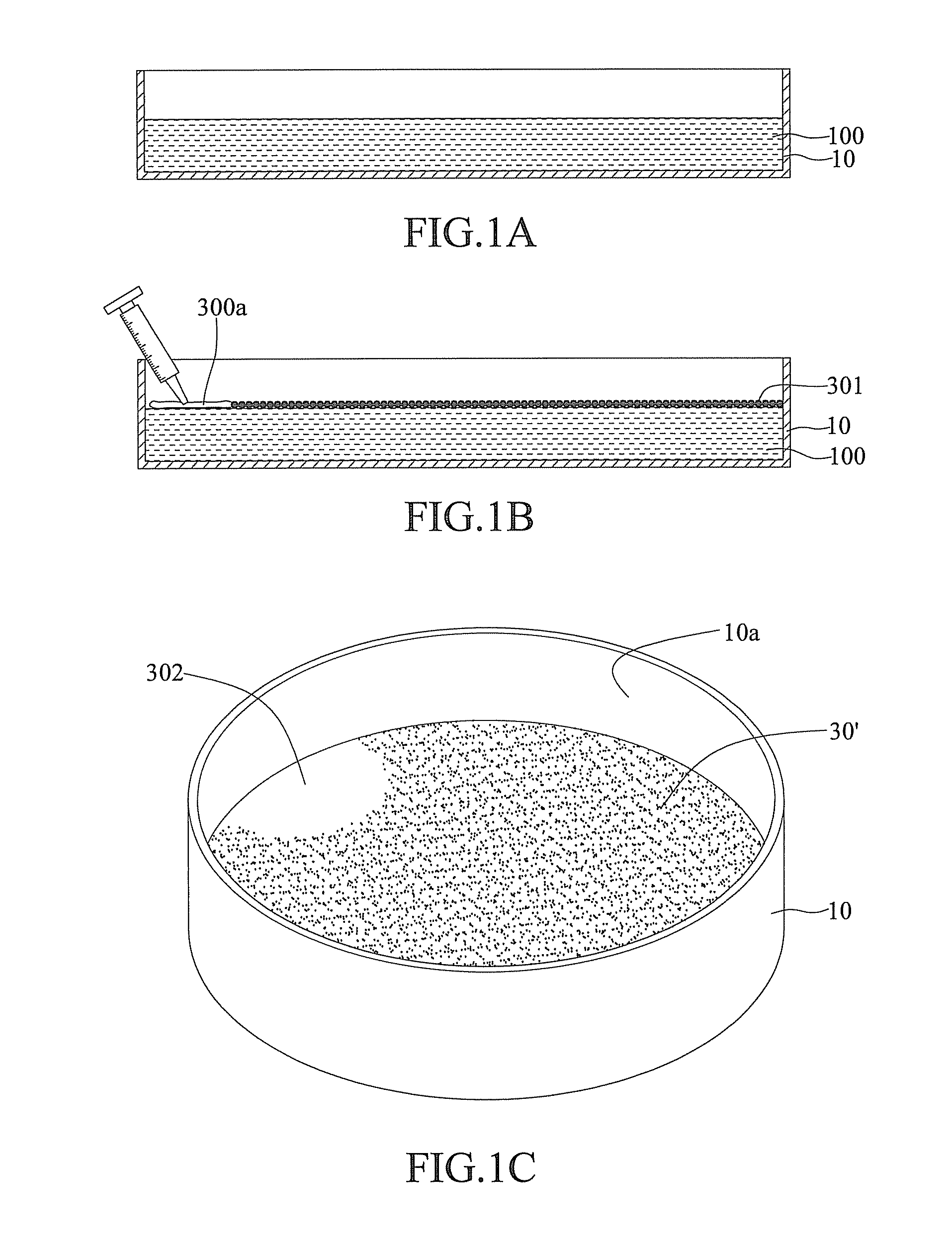
  • Figure 2
    Figure 2
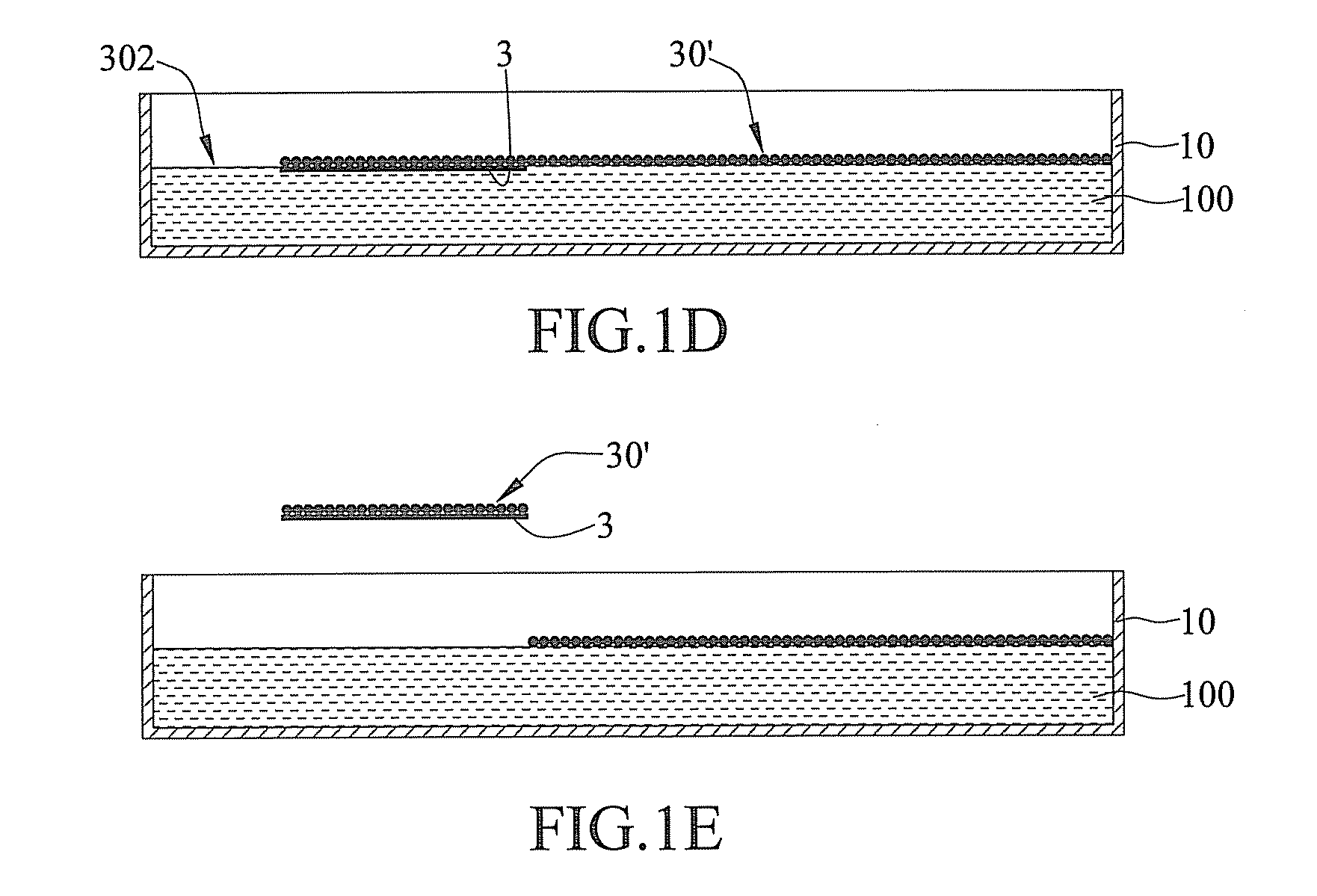
  • Figure 3
    Figure 3
Patent Text Reader

Abstract

A film formation system and a film formation method are disclosed. The film formation method includes the following steps performed in the film formation system that includes a container containing liquid, a water draining means for draining the liquid, a ring-shaped component installed in the container, and a carrying component installed in the liquid in the container for carrying at least a substrate: enabling the carrying component in the liquid and enabling the ring-shaped component to float on the liquid; when a film layer that is composed of nano-spheres is formed on the liquid, locating the film layer in a ring of the ring-shaped component; and removing the liquid, allowing the film layer to move downward in accordance with the ring-shaped component and be formed on the substrate, thereby preventing the nano-spheres from contacting an inner wall of the container and bursting, through the installation of the ring-shaped component.
Need to check novelty before this filing date? Find Prior Art

Description

BACKGROUND OF THE INVENTION

[0001] 1. Field of the Invention

[0002] The present invention relates to film formation systems and film formation methods, and, more particularly, to a system for manufacturing a photoelectric element.

[0003] 2. Description of Related Art

[0004] Currently, the photoelectric conversion efficiency of a representative semiconductor photoelectric element, such as a light emitting diode (LED) or a solar cell, is one of the most significant efficiency indexes, as far as device efficacy is concerned. Related to the conversion efficiency, an even and smooth surface may have a higher light reflection rate, as compared to an uneven surface. As such, an uneven surface is advantageous. To effectively raise the conversion efficiency, a manufacturer may fabricate an uneven microstructure that includes concave and convex portions on a surface of the element. As a result, the roughness of the surface of the element has a significant influence on the conversion efficiency. In ge...

Claims

the structure of the environmentally friendly knitted fabric provided by the present invention; figure 2 Flow chart of the yarn wrapping machine for environmentally friendly knitted fabrics and storage devices; image 3 Is the parameter map of the yarn covering machine
Login to View More