Beholden to their own existing business models, corporations have found it difficult to envision how to adjust and adapt to this kind of innovation “change” in such a short time period and as such have seen pressure on their declining revenues and stagnation in their innovation pipelines.
There has been an awakening inside corporations of their diminished ability to innovate to grow with internal resources alone, but there has been epic struggle as to how to embrace an external entrepreneurial world of innovation.
Change in a corporate environment can be traumatic and something that has become a frequent topic of conversation in OPEN INNOVATION forums.
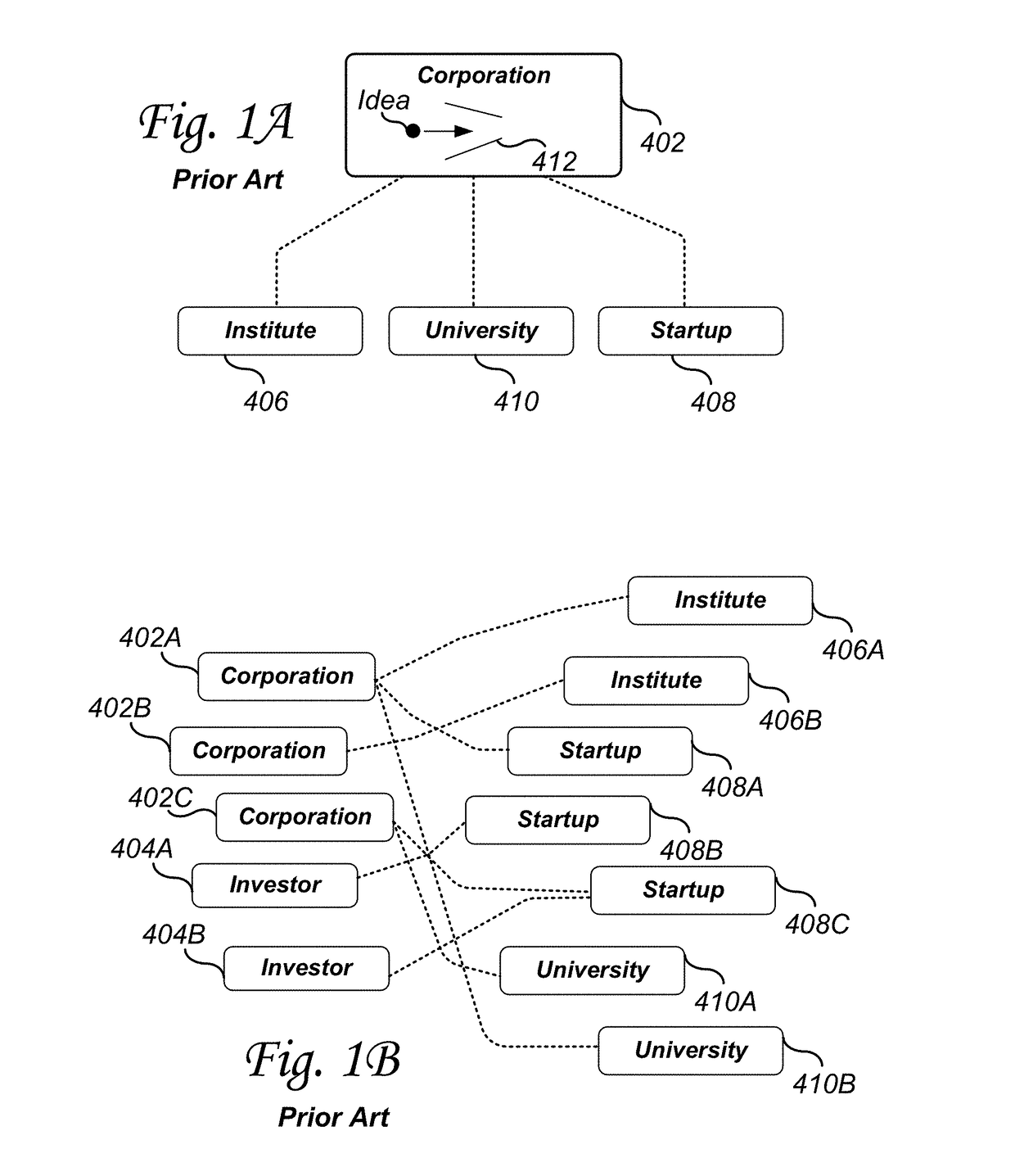
You add to this chaos that each corporation has a different innovation process and often different relationship making process for
interfacing to the external
community, and you get, from the external community perspective, an often inoperable maze of relationships that look totally confusing, disorganized, and largely non-function and ineffective.
Typically, most corporate innovation processes are consistently failing into another form which is trying to improve on the old process.
This happens so frequently that no one in the external community can really figure out how to maintain a relationship with a corporation for very long.
The net effect is that likely any external idea that makes its way into a corporation quickly is smothered and dies.
From the perspective of the external community of institutes, startups, universities, and investors, working with corporations can be long winded, resource consuming, potentially idea or company killing, and an absolutely frustrating endeavor.
Is it really any surprise that when you take a fast moving novel idea from outside the corporation and import it into the corporation's slow, often inefficient, and ever changing innovation process, there is little chance of success?
Observation has been that as long as corporate influence touches these structures sooner than later the objectives are aligned to the corporation's known and well entrenched expectations and processes, and as such these programs more often than not are consumed and assimilate into the matrix of the corporation quickly losing their innovative edge and producing little
business value.
Another shortcoming can be that absent a common language, common reporting mechanism, and common external technology innovation method, it is difficult for the investor community to monitor the opportunity flow between corporations and the technical community so that they can make informed investment decisions.
Absent the common language around readiness, risk, and a common innovation method it can be difficult to determine the capabilities which can be solved through partnering, such as with mentors and retirees to advise the startup company and with supply chain partners who have already demonstrated logistical and market execution capabilities that can help to quickly launch products and services at scale.



 Login to View More
  Login to View More