Method and Apparatus for training an object recognition model
Pending Publication Date: 2021-08-05
CANON KK
View PDF0 Cites 4 Cited by
Summary
Abstract
Description
Claims
Application Information
AI Technical Summary
This helps you quickly interpret patents by identifying the three key elements:
Problems solved by technology
Method used
Benefits of technology
Benefits of technology
The patent aims to improve the training process for a recognition model used in object recognition. It proposes a method to dynamically control the training process for a convolutional neural network model, so that it can adapt to the progress of the training process even with noisy data. This results in a higher-performing training model even when using noisy data. Ultimately, the patent aims to enhance image / video object recognition.
Problems solved by technology
However, it should be pointed out that the training data sets are often not ideal, on the one hand, they do not fully demonstrate the real world, and on the other hand, the existing training data sets still contain noise samples even after data cleaning.
For such training data sets, the existing Softmax loss function and its variants cannot achieve ideal results and cannot effectively improve the performance of the training model.
Method used
the structure of the environmentally friendly knitted fabric provided by the present invention; figure 2 Flow chart of the yarn wrapping machine for environmentally friendly knitted fabrics and storage devices; image 3 Is the parameter map of the yarn covering machine
View more
Image
Smart Image Click on the blue labels to locate them in the text.
Viewing Examples
Smart Image
Click on the blue label to locate the original text in one second.
Reading with bidirectional positioning of images and text.
[0172]prior art technologies to be compared: Softmax, NSoftmax, SphereFace, CosFace, ArcFace, D-Softmax
[0173]The experimental results are shown in Table 1 below, where SFace is a technical solution according to the present disclosure.
TABLE 1Comparison between the result of the training operation of the presentisclosure with the results of the prior art technologiesalgorithmsYTFLFWCFP-FPAGEDBCPLFWCALFWsoftmax95.60%99.25%95.10%93.28%88.97%92.48%Nsoftmax95.54%99.23%95.00%93.17%88.82%92.40%SphereFace93.18%99.17%94.76%92.60%86.50%91.93%(m = 1.35, s = 64)CosFace95.76%99.53%95.50%95.23%90.32%93.97%(m = 0.35, s = 64)ArcFace95.66%99.52%95.60%95.30%...
[0178]Prior art technology to be compared: ArcFace
[0179]The experimental results are shown in Tables 2 and 3 below, where SFace is the technical solution according to the present disclosure.
TABLE 2Comparison between the result of the training operation of thepresent disclosure and the results of the prior art technologyalgorithmLFWYTFCPLFWCALFWArcFace (m = 0.5, s = 64)99.83%98.02%92.08%95.45%SFace (a = 80.00, b = 0.90,99.82%98.06%93.28%96.07%c = 80.00, d = 0.20)
TABLE 3Comparison between the result of the training operation of thepresent disclosure and the results of the prior art technologyIJB-C datasetTPR / FPRalgorithm10−610−510−410−310−210−1ArcFace86.25%93.15%95.65%97...
the structure of the environmentally friendly knitted fabric provided by the present invention; figure 2 Flow chart of the yarn wrapping machine for environmentally friendly knitted fabrics and storage devices; image 3 Is the parameter map of the yarn covering machine
Login to View More
PUM
Login to View More
Abstract
A training method and device for an object recognition model. An apparatus for optimizing a neural network model for object recognition, including a loss determination unit configured to determine loss data for features extracted from a training image set using the neural network model and a loss function with a weight function, and an updating unit configured to perform an updating operation on parameters of the neural network model based on the loss data and an updating function, wherein the updating function is derived based on the loss function with the weight function of the neural network model, and the weight function and the loss function change monotonically in a specific value interval in the same direction.
Description
CROSS REFERENCE TO RELATED APPLICATIONS[0001]This application claims the benefit of Chinese Patent Application No. 201911082558.8, filed Nov. 7, 2019, which is hereby incorporated by reference herein in its entirety.FIELD OF THE INVENTION[0002]The present disclosure relates to object recognition, and more particularly to a neural network model for object recognition.BACKGROUND[0003]In recent years, object detection / recognition / comparison / tracking with respect to a still image or a series of moving images (such as a video) has been widely and importantly applied to and played an important role in the fields of image processing, computer vision and pattern recognition. The object may be a body part of a person, such as a face, a hand, a body, etc., other living beings or plants, or any other object that is desired to be detected. Face / object recognition is one of the most important computer vision tasks, and its goal is to recognize or verify a specific person / object based on the inpu...
Claims
the structure of the environmentally friendly knitted fabric provided by the present invention; figure 2 Flow chart of the yarn wrapping machine for environmentally friendly knitted fabrics and storage devices; image 3 Is the parameter map of the yarn covering machine
Login to View More
Application Information
Patent Timeline
Application Date:The date an application was filed.
Publication Date:The date a patent or application was officially published.
First Publication Date:The earliest publication date of a patent with the same application number.
Issue Date:Publication date of the patent grant document.
PCT Entry Date:The Entry date of PCT National Phase.
Estimated Expiry Date:The statutory expiry date of a patent right according to the Patent Law, and it is the longest term of protection that the patent right can achieve without the termination of the patent right due to other reasons(Term extension factor has been taken into account ).
Invalid Date:Actual expiry date is based on effective date or publication date of legal transaction data of invalid patent.


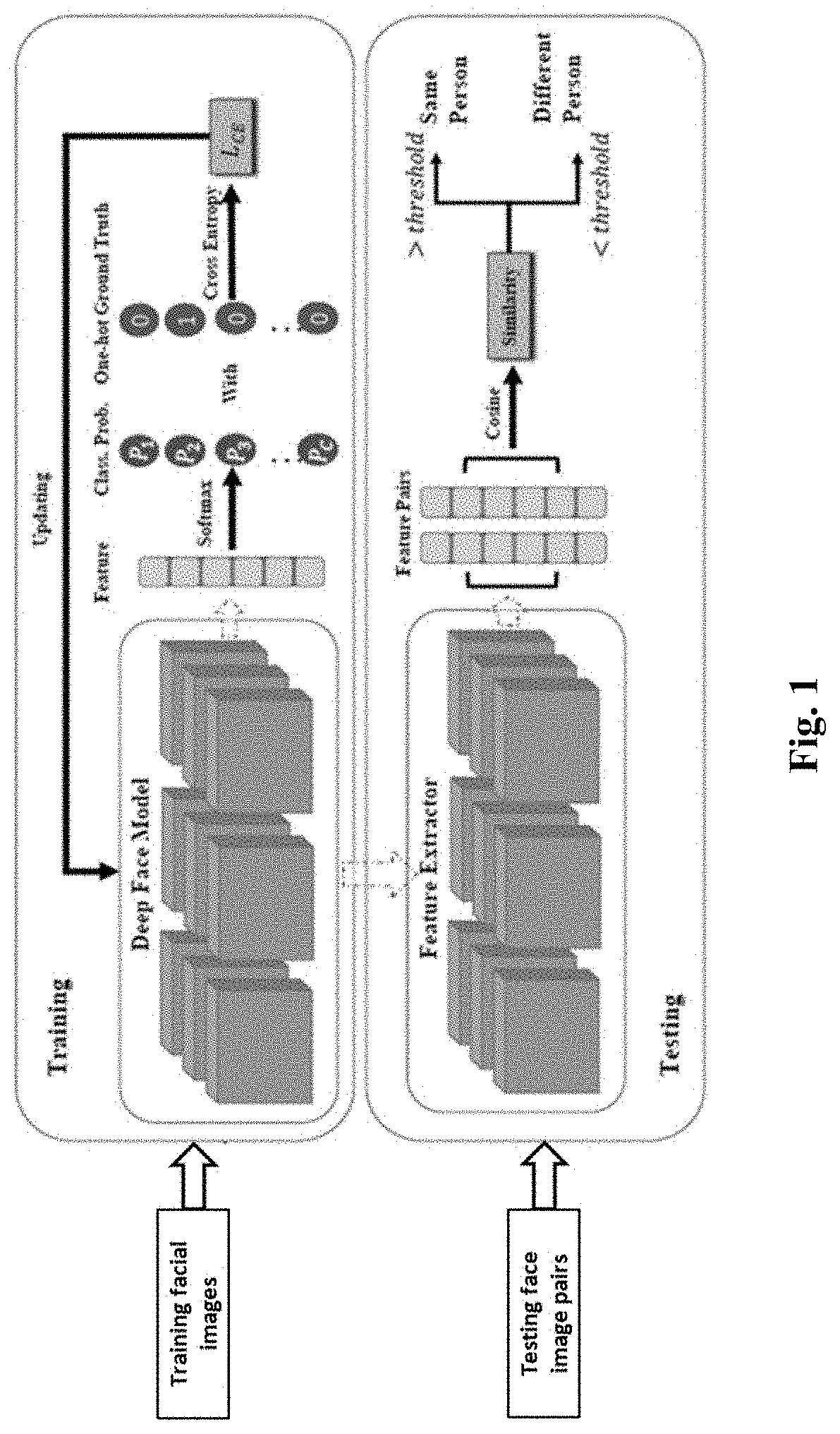
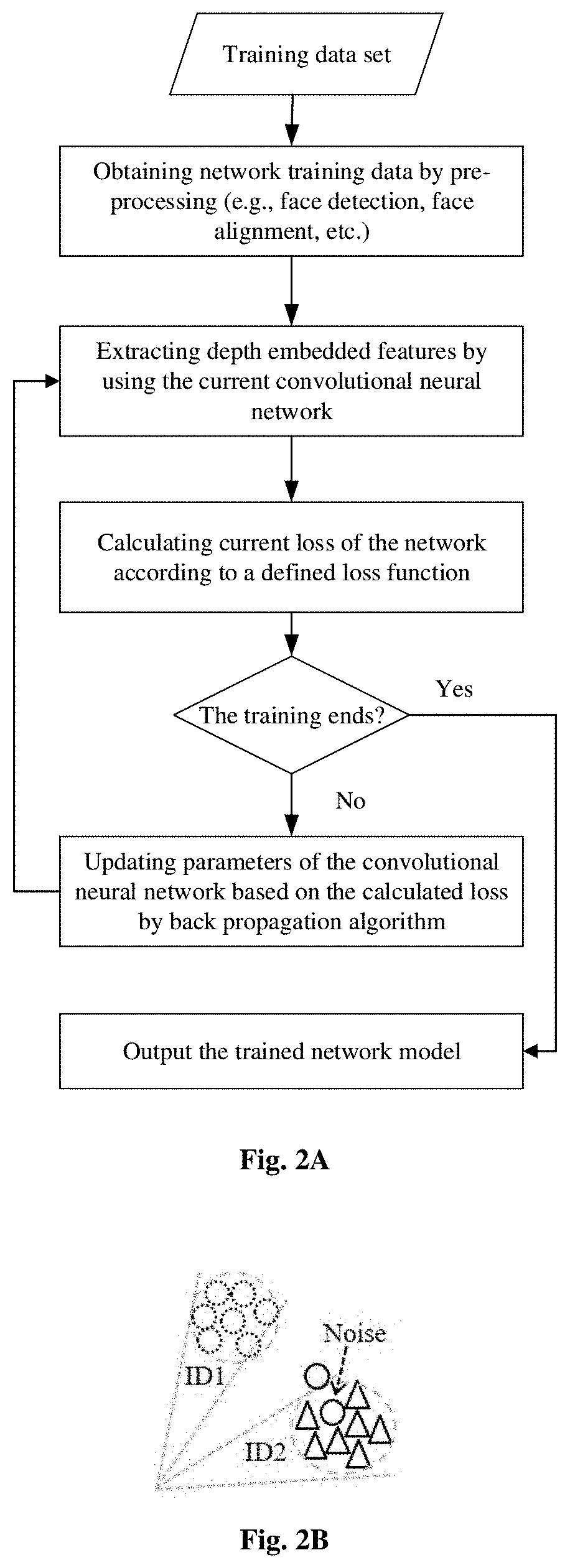
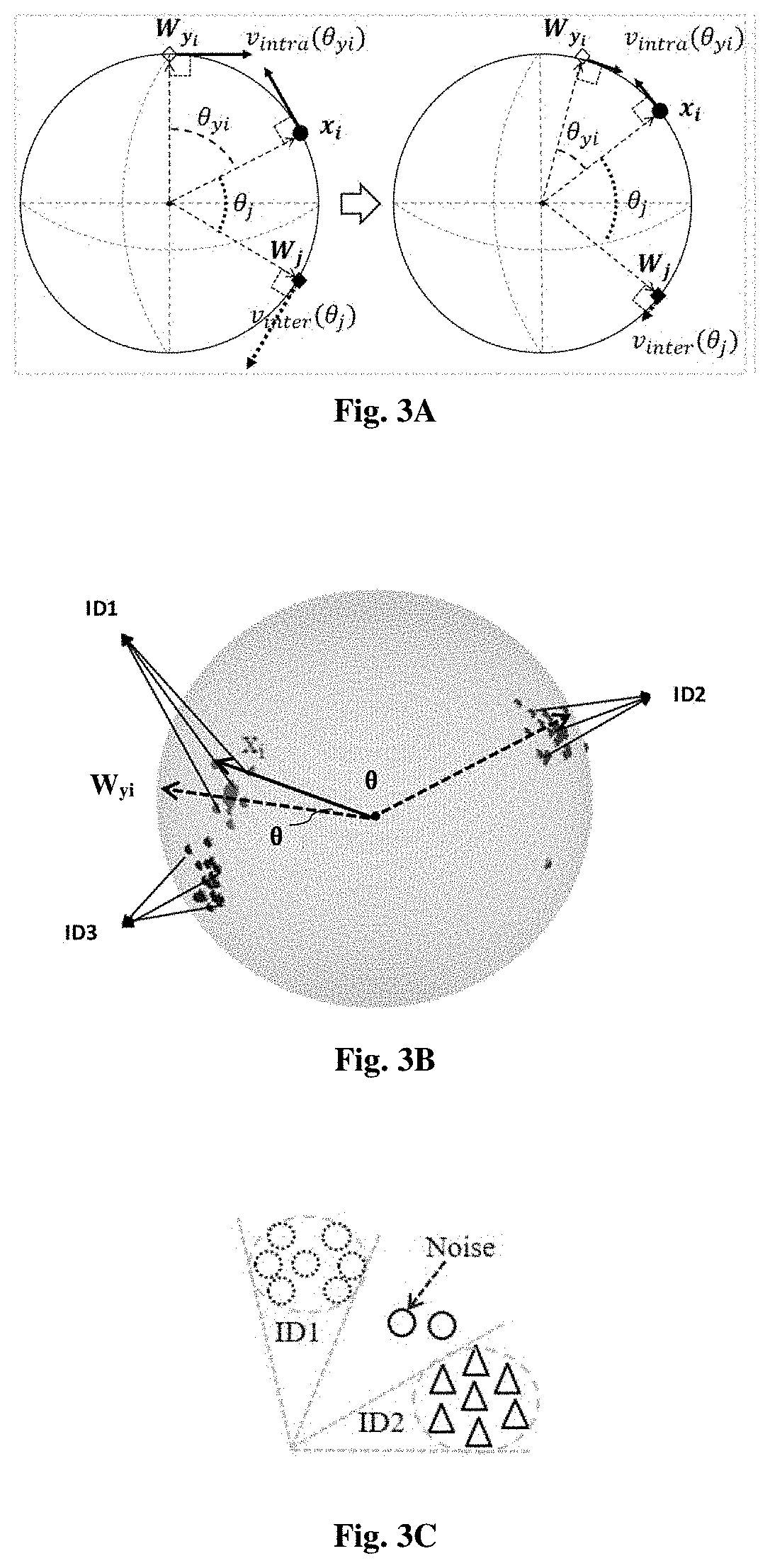
 Login to View More
  Login to View More