
A customized pulse load test system and method based on gradient aluminum foam
A technology of load test and aluminum foam, which is applied in the field of pulse load test loading, can solve problems such as the inability to control waveforms, and achieve the effects of saving test costs, considerable economic benefits, and strong repeatability
Patent Information
- Authority / Receiving Office
- CN · China
- Patent Type
- Patents(China)
- Current Assignee / Owner
- Publication Date
- 2019-07-23
Smart Images
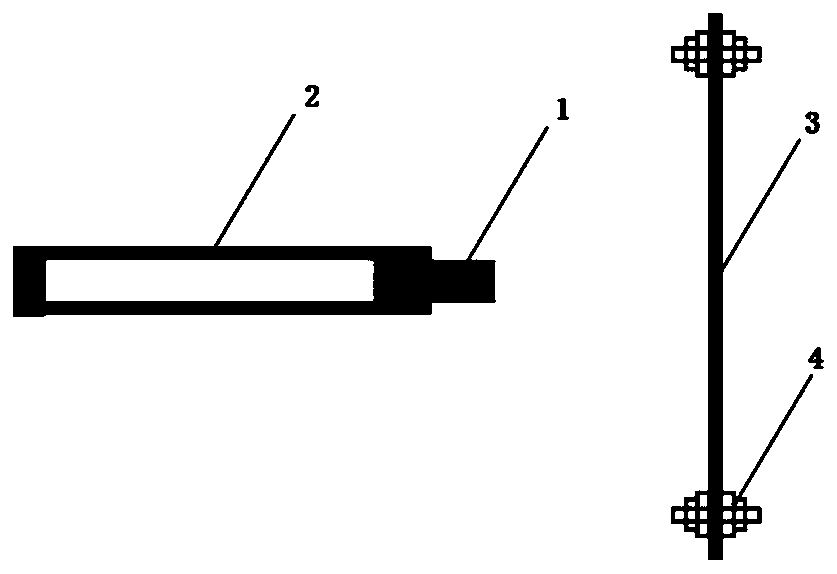
Figure 1 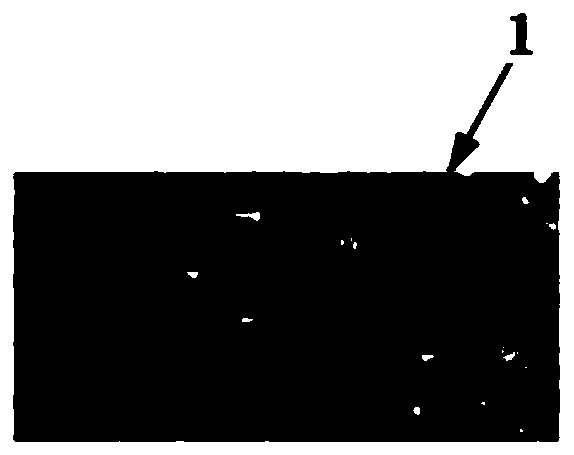
Figure 2 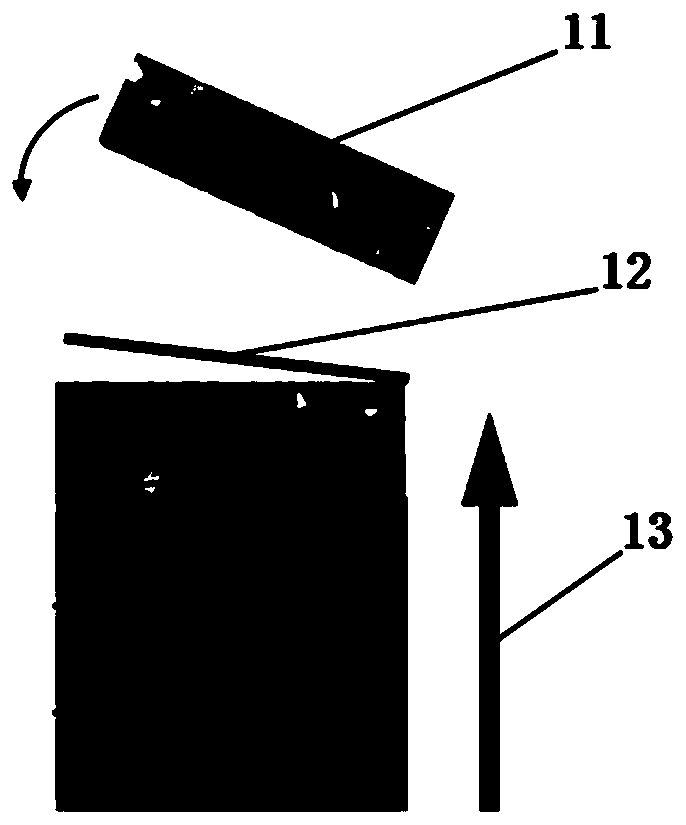
Figure 3
Abstract
Description
technical field
[0001] The invention belongs to the technical field of pulse load test loading, in particular to a customized pulse load test system and method based on gradient aluminum foam, in particular to a method for customizing pulse loads with different waveforms in a laboratory. Background technique
[0002] The dynamic response of structures under impulse loads such as explosive shocks is an important research topic that widely exists in the fields of transportation, security protection, and military affairs, and has attracted extensive attention from researchers from all over the world. However, experimental research on this topic lags far behind theoretical and numerical methods. The reason is that the test loading of pulse loads such as explosive shocks often involves high-energy explosives. This loading method has disadvantages such as poor safety, the need for a special test site, complex technology, and high cost, especially the inability to customize the req...
Examples
Embodiment 1
[0050] to get attached Figure 4As shown in the triangular waveform, first design the gradient sequence of the gradient aluminum foam projectile (in the form of density gradient) so that the relative density of the foam aluminum layer decreases linearly from 0.15 to 0.05 from the warhead to the tail.
[0051] Cut ten kinds of aluminum foams with different densities (relative density is 0.05-0.15) into column blocks (including at least three cells) with a cross-sectional diameter of 57mm and a thickness of 10mm; stack each column block in turn according to the designed density gradient sequence In general, the layers are connected by flux-free brazing method, and the brazing material used is Zn-Al-Cu-based alloy, see figure 2 .
[0052] After the welding is completed, the gradient aluminum foam projectile is left to cool down, and then the surface of the gradient foam aluminum projectile is polished to make it smooth.
[0053] Finally, fill the gradient aluminum foam project...
Embodiment 2
[0055] to get Figure 5 The rectangular waveform shown in , firstly, the gradient sequence (in the form of density gradient) of the gradient foam aluminum projectile is designed so that the relative density of the foam aluminum layer increases linearly from 0.08 to 0.12 from the warhead to the tail.
[0056] Cut ten kinds of aluminum foams with different densities (relative density is 0.08-0.12) into column blocks (including at least three cells) with a cross-sectional diameter of 57mm and a thickness of 10mm; stack each column block in sequence according to the designed density gradient sequence In general, the layers are connected by flux-free brazing method, and the brazing material used is Zn-Al-Cu-based alloy, see figure 2 .
[0057] After the welding is completed, the gradient aluminum foam projectile is left to cool down, and then the surface of the gradient foam aluminum projectile is polished to make it smooth.
[0058] Finally, fill the gradient aluminum foam proj...