G-series high-speed train bogie

A bogie, high-speed rail technology, applied in bogies, railway car body parts, railway braking systems, etc., can solve problems such as safety hazards, wheel and rail wear, etc.

CN109823359AActive Publication Date: 2019-05-31MAANSHAN LANXIN ENVIRONMENTAL PROTECTION TECH CO LTD
4 Cites 1 Cited by

Patent Information

Authority / Receiving Office
CN · China
Current Assignee / Owner
Publication Date
2019-05-31

Smart Images

  • Figure 1
    Figure 1
  • Figure 2
    Figure 2
  • Figure 3
    Figure 3
Patent Text Reader

Abstract

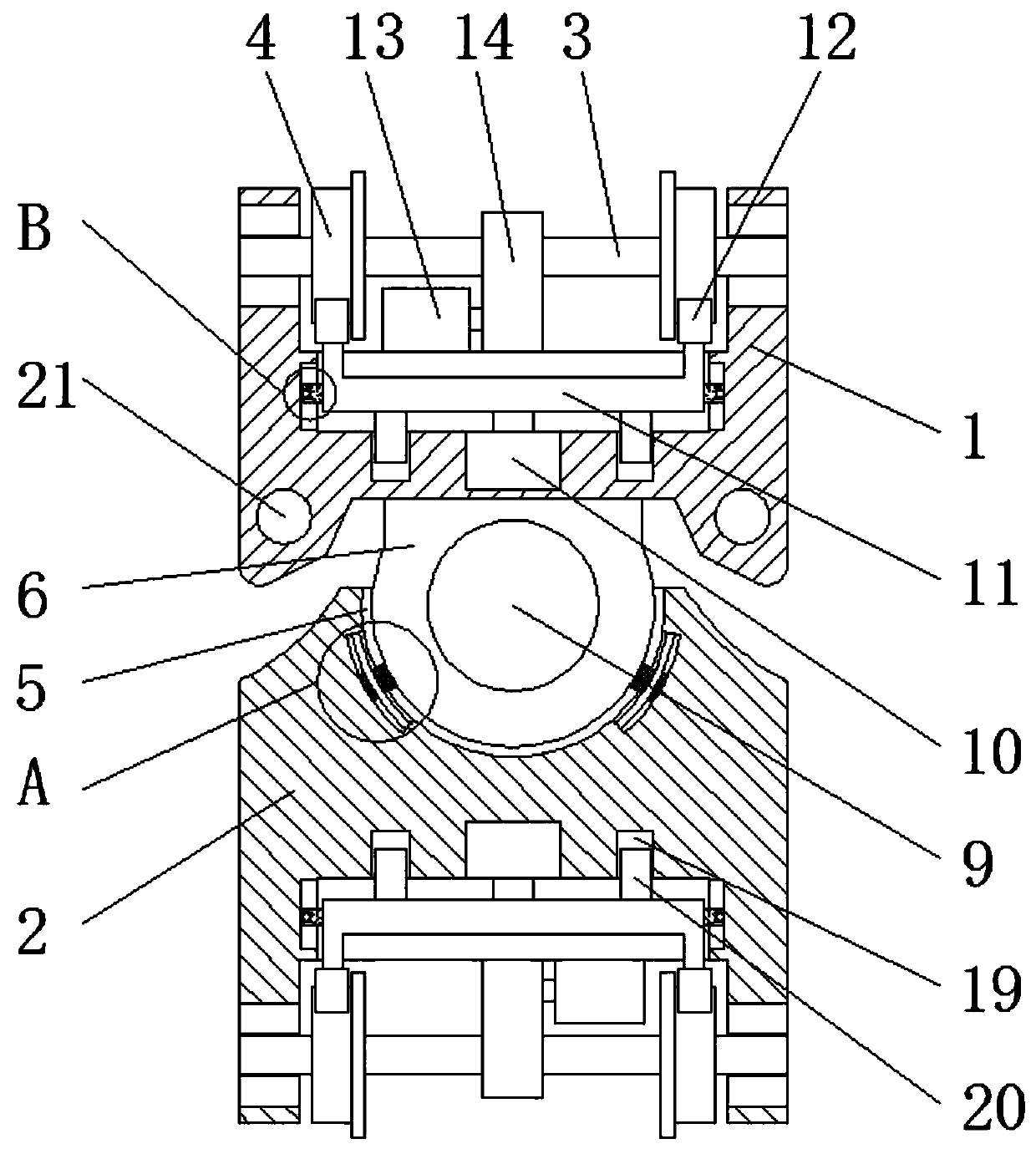
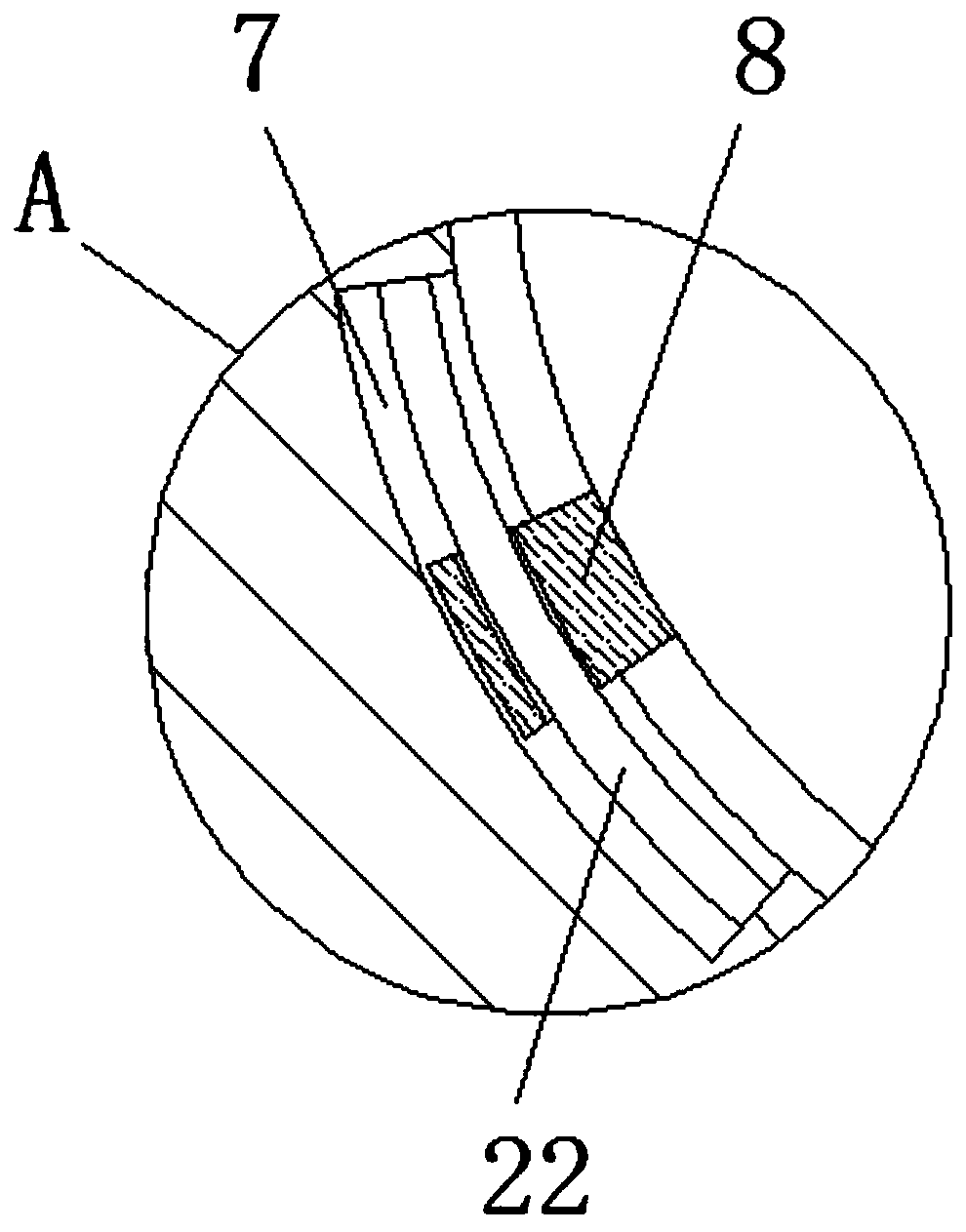
The invention relates to the technical field of G-series high-speed train bogies and discloses a G-series high-speed train bogie. The G-series high-speed train bogie comprises a first support, whereinone end of the first support is connected with a second support through a steering mechanism, the opposite ends of the first support and the second support are provided with rotating rods through bearings, driving devices are arranged at positions, corresponding to the rotating rods, of the first support and the second support, and wheels fixedly sleeve the rod walls, close to the two ends, of the rotating rods. Brake mechanisms are installed at the positions, corresponding to the wheels, of the first support and the second support, the steering mechanism comprises a semicircular clamping groove formed in the second support, a semicircular clamping block matched with the semicircular clamping groove is slidngly connected in the clamping groove, the end, far away from the bottom of the clamping groove, of the clamping block is fixedly connected to the corresponding position of the first support, and the bottom of the clamping groove is symmetrically provided with arc-shaped sliding grooves. According to the G-series high-speed train bogie, rear wheels cannot generate sliding friction with rails, potential safety hazards cannot be caused when the rear wheels runs for a long time, and the rear wheels are stable and reliable.
Need to check novelty before this filing date? Find Prior Art

Description

technical field

[0001] The invention relates to the technical field of high-speed rail bogies, in particular to a high-speed rail bogie. Background technique

[0002] The high-speed rail bogie is one of the core components of the locomotive and the most critical device for locomotive traction, bearing, travel and guidance. At present, most of the common high-speed rail bogies are integrated structures. When the high-speed rail turns, under the combined action of the track and the wheels, the front wheels of the bogie turn first. The wheels exert a certain torque on the bogie, resulting in a certain sliding friction between the rear wheels and the track, resulting in the wear of the wheels and the track, which may lead to safety hazards after the high-speed rail runs for a long time. Contents of the invention

[0003] The purpose of the present invention is to solve the problem that most of the high-speed rail bogies in the prior art are integrated structures. When turning...

Examples

Embodiment Construction

[0023] The following will clearly and completely describe the technical solutions in the embodiments of the present invention with reference to the accompanying drawings in the embodiments of the present invention. Obviously, the described embodiments are only some, not all, embodiments of the present invention.

[0024] In describing the present invention, it should be understood that the terms "upper", "lower", "front", "rear", "left", "right", "top", "bottom", "inner", " The orientation or positional relationship indicated by "outside", etc. is based on the orientation or positional relationship shown in the drawings, and is only for the convenience of describing the present invention and simplifying the description, rather than indicating or implying that the referred device or element must have a specific orientation, so as to Specific orientation configurations and operations, therefore, are not to be construed as limitations on the invention.

[0025] refer to Figure ...