
Multi-intersection cooperative traffic light control method based on Q-value migration of multi-task deep Q network
A collaborative control, multi-intersection technology, applied in the intersection of artificial intelligence and intelligent transportation, can solve the problems of difficulty in extracting traffic state features, not fully mining the similarity of multiple agents, and lack of collaborative strategies for multi-intersection signal lights. The effect of alleviating congestion and improving traffic efficiency
Patent Information
- Authority / Receiving Office
- CN · China
- Current Assignee / Owner
- Publication Date
- 2019-09-20
Smart Images
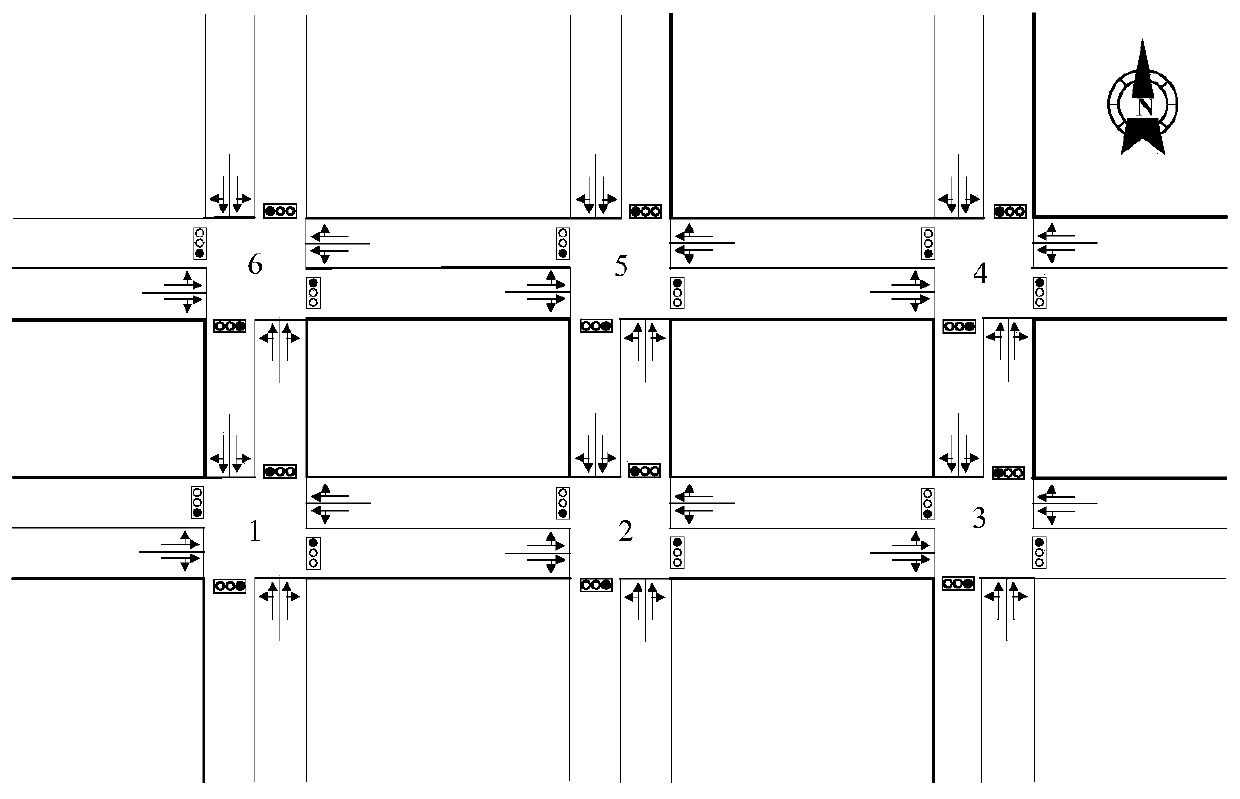
Figure 1 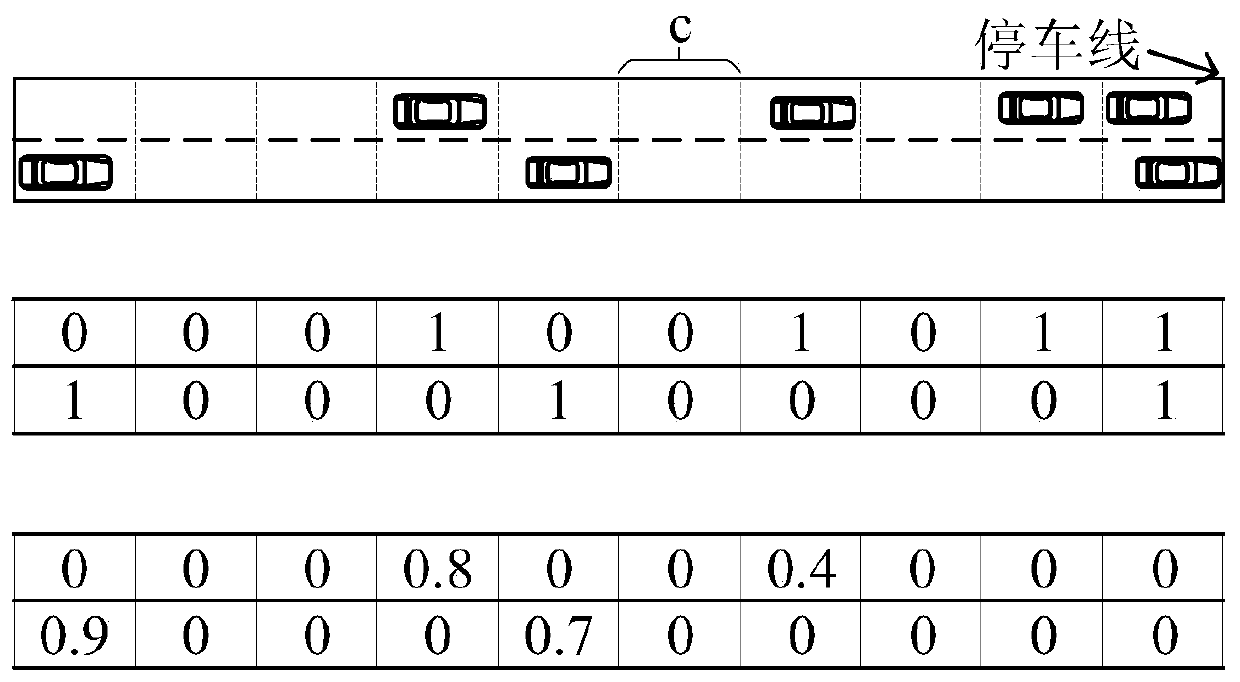
Figure 2 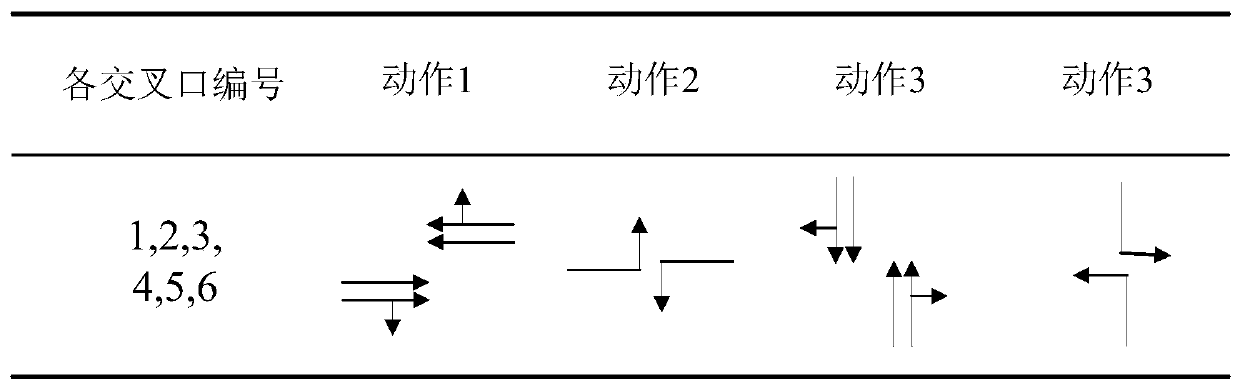
Figure 3
Abstract
Description
technical field
[0001] The invention belongs to the intersecting field of artificial intelligence and intelligent transportation, and relates to a multi-task deep Q-network-based Q-value transfer multi-intersection signal light cooperative control method. Background technique
[0002] Urban traffic runs through all areas of urban public space and is the most important and most convenient way for residents to travel daily. After long-term development, urban traffic has formed a relatively complete pattern, which improves the travel efficiency of residents and brings great benefits to residents' lives. convenient. However, with the development of the economy and the acceleration of urbanization, the urban population and the number of cars per capita are increasing rapidly, and the problem of traffic congestion is becoming more and more serious. . In order to alleviate traffic congestion, methods of expanding road infrastructure such as widening roads and building viaducts ca...
Examples
Embodiment Construction
[0049] The invention provides a multi-intersection signal lamp cooperative control method based on the Q value migration of the multi-task deep Q network. The specific embodiments discussed are merely illustrative of implementations of the invention, and do not limit the scope of the invention. Embodiments of the present invention will be described in detail below in conjunction with the accompanying drawings, specifically including the following steps:
[0050] 1. Obtain the status of the intersection. by figure 1 Take the six intersections in the example as an example. Each road has two lanes. According to the structure of the intersection, the left lane allows vehicles to go straight or turn left, and the right lane allows vehicles to go straight or turn right. Carry out discrete state encoding for the traffic information of each intersection, and divide the road k with length l from the stop line into discrete units of length c, where the value of c should be moderate, a...