
Preparation of special fertilizer for camellia
A special fertilizer and camellia technology, which is applied in the field of compounding special fertilizer for camellia, can solve the problems of burning and rotten roots, inability to fertilize camellia, waste of fertilizer, etc.
- Summary
- Abstract
- Description
- Claims
- Application Information
AI Technical Summary
Problems solved by technology
Method used
Image

Examples
Embodiment 1
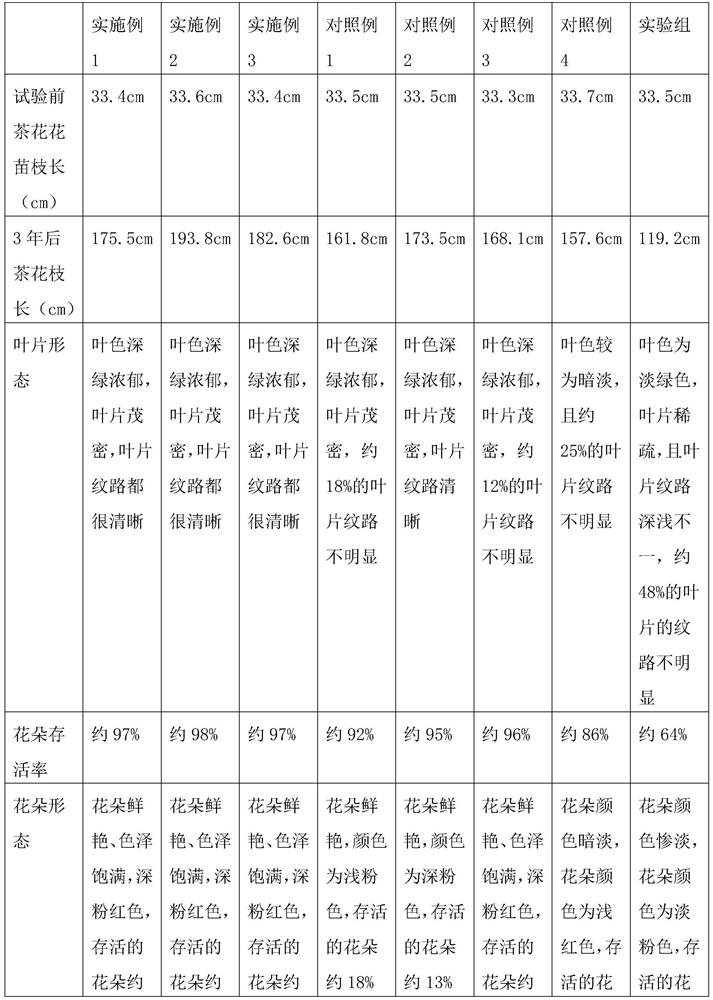
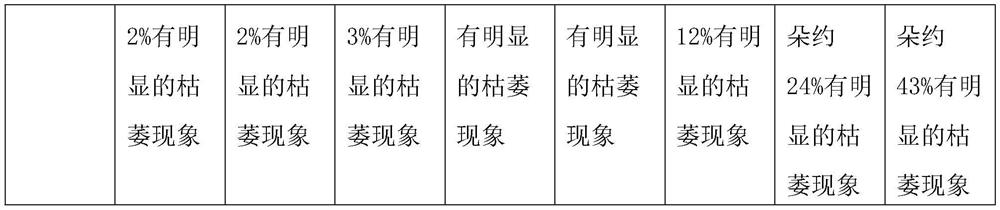
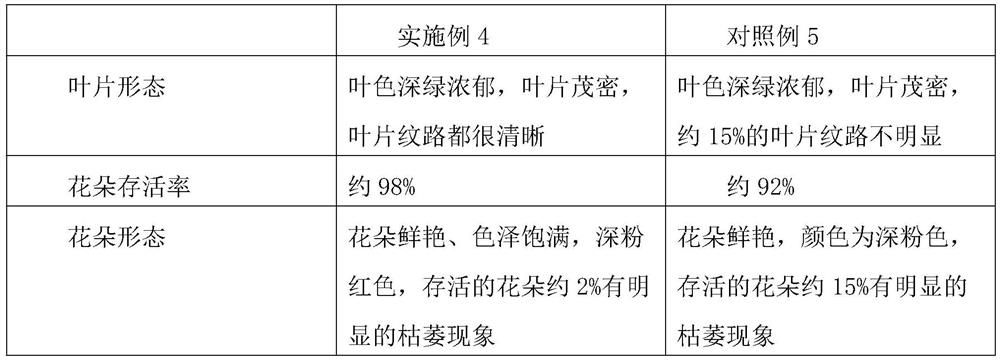
[0029] The preparation of a special fertilizer for camellia proposed by the present invention includes 50 parts of chicken manure, 30 parts of plant waste, 30 parts of animal bone residue, 15 parts of diatomaceous earth, 8 parts of grass ash, 10 parts of Beauveria bassiana, 10 parts of shell powder, 7 parts of chitosan base, 15 parts of starter (mass ratio 1:0.5:1 yeast powder, high-temperature aerobic fermentation bacteria and lactic acid bacteria), 2 parts of trace elements (mass ratio 1:1:1:2 iron, iodine , selenium and silicon) and 4 parts of microbial agent (Azotobacter torus) and 10 parts of biochar.
Embodiment 2
[0031] A preparation of special fertilizer for camellia, including 67 parts of chicken manure, 32 parts of plant waste, 40 parts of animal bone residue, 17 parts of diatomaceous earth, 13 parts of Beauveria bassiana, 12 parts of shell powder, 13 parts of nano-cerium dioxide, grass ash 9 parts, 7 parts of zinc oxide, 10 parts of chitosan base, 12 parts of biochar, 18 parts of starter (mass ratio of 1:0.5:1 yeast powder, high-temperature aerobic fermentation bacteria and lactic acid bacteria), 3 parts of trace elements ( Iron, iodine, selenium and silicon with a mass ratio of 1:1:1:2), 6 parts of microbial agent (Azotobacter rotundum) and 12 parts of biochar.
Embodiment 3
[0033] A special fertilizer for camellia, including 70 parts of chicken manure, 45 parts of plant waste, 45 parts of animal bone residue, 20 parts of diatomaceous earth, 15 parts of Beauveria bassiana, 12 parts of grass ash, 15 parts of shell powder, chitosan base 13 parts, 20 parts of starter (mass ratio 1:0.5:1 yeast powder, high-temperature aerobic fermentation bacteria and lactic acid bacteria), 5 parts of trace elements (mass ratio 1:1:1:2 iron, iodine, selenium and silicon ), 8 parts of microbial agent (Azotobacter torus) and 15 parts of biochar.
PUM
 Login to View More
 Abstract
Description
Claims
Application Information
 Login to View More