Efficient scale-space extraction and description of interest points

a scale-space and interest point technology, applied in the field of image processing, can solve the problems of computational cost of building the pyramid and determining the descriptor for each keypoint, and achieve the effect of speeding up the process and low overall computational complexity

US20110194772A1Active Publication Date: 2011-08-11CATCHOOM TECH
4 Cites 36 Cited by

Patent Information

Authority / Receiving Office
US · United States
Current Assignee / Owner
Publication Date
2011-08-11

Smart Images

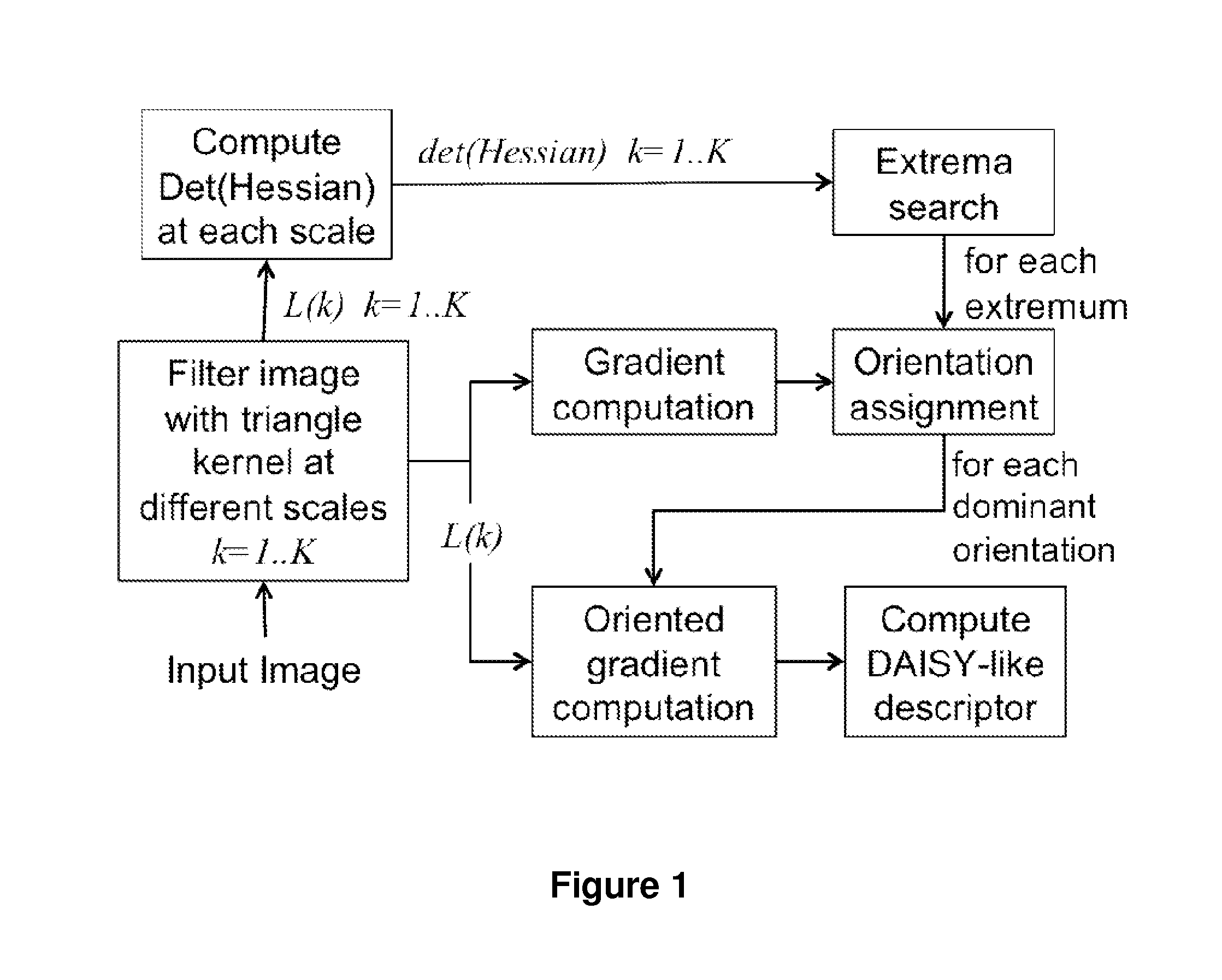
  • Figure 1
    Figure 1
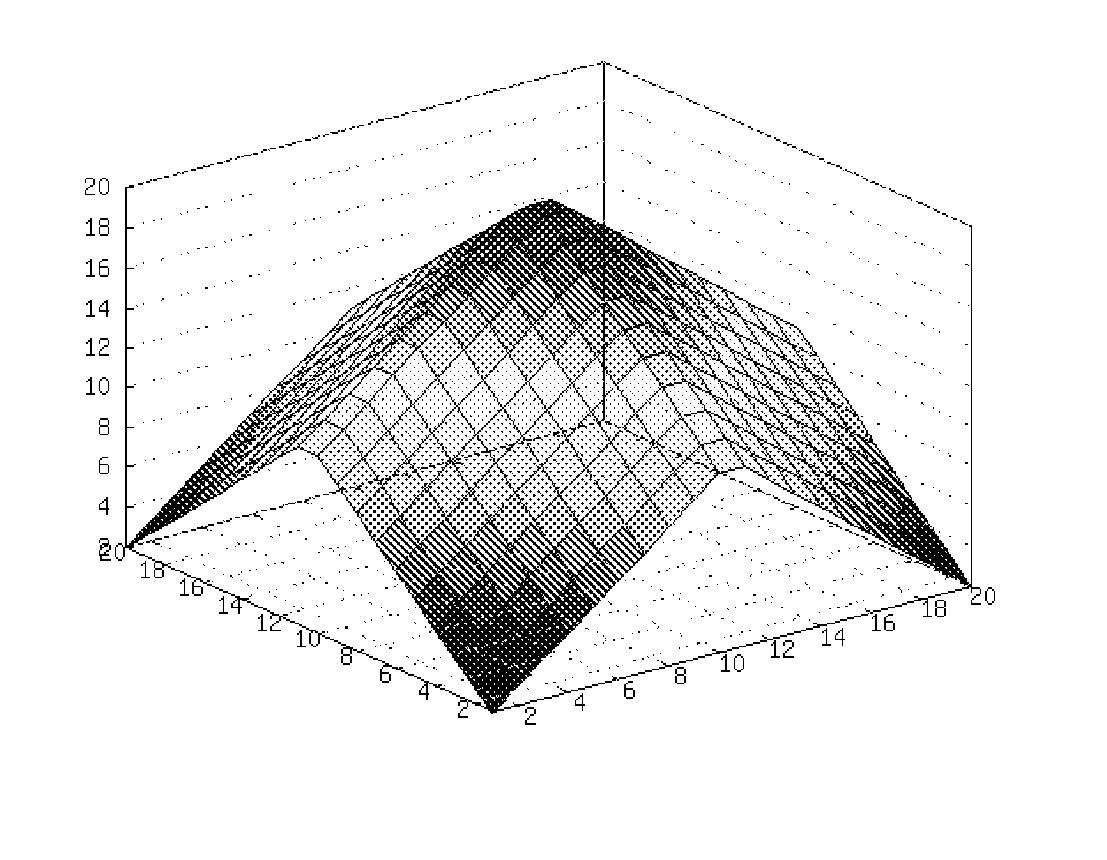
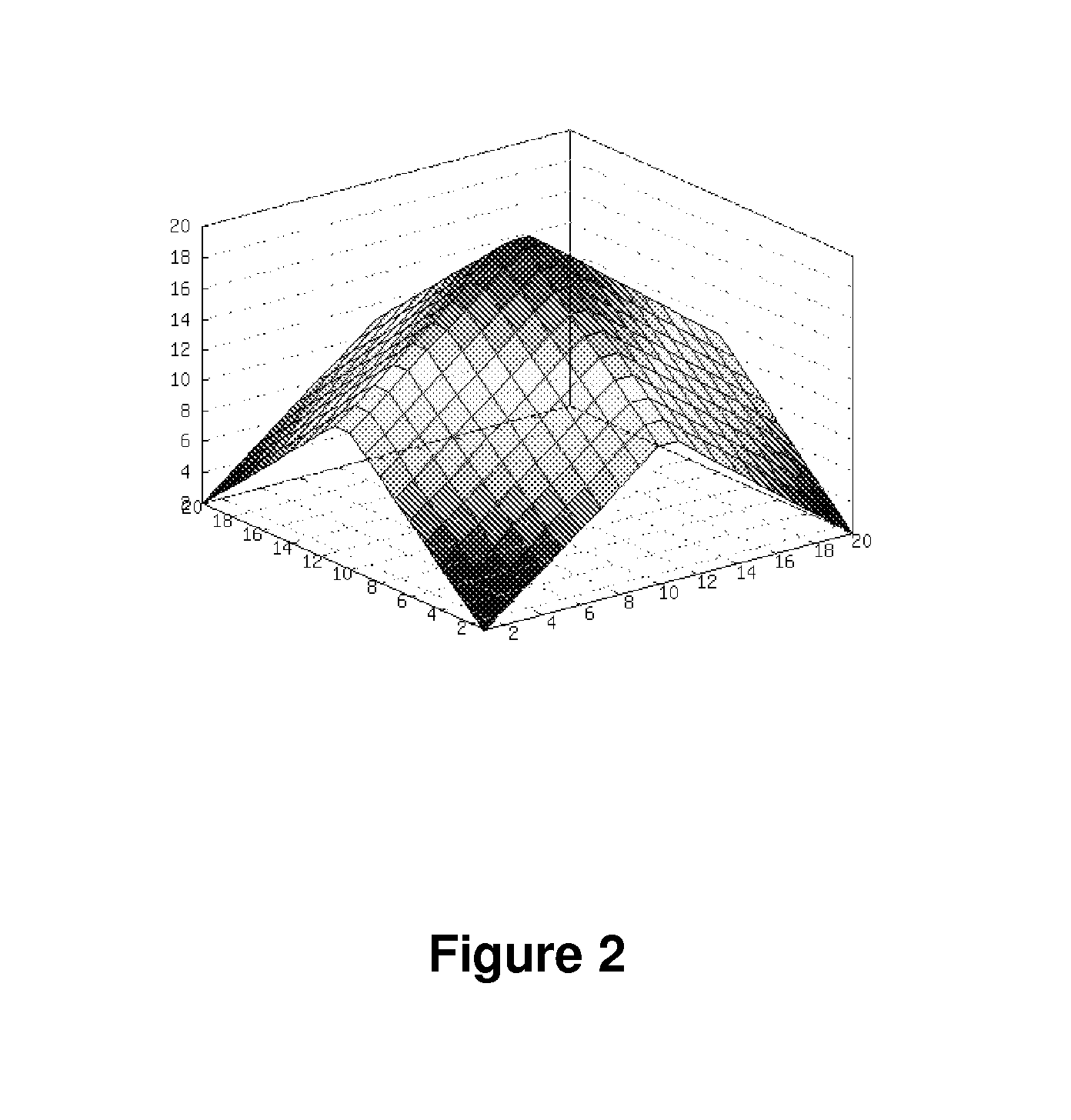
  • Figure 2
    Figure 2
  • Figure 3
    Figure 3
Patent Text Reader

Abstract

Method, system and computer program for efficiently extracting and describing scale-space interest points. It is designed towards low overall computational complexity. On one hand, the data acquired during extraction in the description phase is intensively re-used. On the other hand, an algorithmic optimization of the description that dramatically speeds up the process, is proposed. First, the image is filtered with triangle kernel at different scales. The triangle filtered images are reused for extraction of the keypoints dominant orientation and the computation of the DAISY-like descriptor
Need to check novelty before this filing date? Find Prior Art

Description

TECHNICAL FIELD

[0001] The present invention relates generally to a method and system for operating on images and more particularly to a method and system for efficiently extracting and describing scale-space interest points.DESCRIPTION OF THE PRIOR ART

[0002] Keypoints or salient points are those samples in an image that are highly repeatable across different view conditions such as viewpoint and illumination. Identifying those keypoints in different imaged instances of an object or a scene permit to fulfill tasks like reconstructing 3D spaces or recognizing objects, among others.

[0003] In the last decade, several keypoint extraction techniques have been developed. Among them there exist two methods that have had wide acceptance across several application domains due to their robustness, namely Scale-Invariant Feature Transform Method, SIFT (used for example in U.S. Pat. No. 6,711,293 “Method and apparatus for identifying scale invariant features in an image and use of same for locating...

Examples

Embodiment Construction

[0036]The invention method describes a process to first detect keypoints in scale-space (keypoint extraction step) and then describe them with a DAISY-like descriptor (keypoint description step). This patent covers both processes both separately and together.

[0037]The invented method for scale-space extrema detection is composed of three steps.[0038]1. First, a computation of the determinant of Hessian of each scale.[0039]2. Second, extrema search in scale-space.[0040]3. The last step is optional and it consists in finding the keypoints with sub-pixel and sub-scale.

[0041]Let us start by explaining the extraction algorithm generically and then the exact process that makes it efficient. The determinant of Hessian consists in computing |∂xx(i, j)·∂yy(i, j)−∂xy(i, j)2|, where ∂xx is the second horizontal derivative of Gaussian over an image, ∂yy is vertical, and ∂xy is cross derivatives. Our method can be used with different filter kernels. At least the extraction step can be performed ...