

Techniques for image enhancement using a tactile display
Active Publication Date: 2015-10-01
INTEL CORP
View PDF12 Cites 89 Cited by
- Summary
- Abstract
- Description
- Claims
- Application Information
AI Technical Summary
Benefits of technology
The patent text describes techniques for improving the quality of images displayed on tactile or other texture displays. These techniques use active-texture display technology to enhance the contrast and quality of the displayed image, even in environments with high light reflection. The techniques can include outlining or shading the image, or both, to create the effect of increased contrast and image quality. The patent text also describes a system for carrying out these techniques and a small form factor device in which the system can be embodied. Overall, the patent text provides a solution for enhancing the quality of images on texture displays.
Problems solved by technology
Other types of displays, such as electrophoretic (e-ink) displays, are designed for low-glare visibility, but they tend to lack the response time, resolution, and color density of traditional thin-film displays.
Some hybrid display technologies, such as interferometric modulator displays (IMODs) that include an array of microelectromechanical systems (MEMS) devices, provide low-power solutions to dynamic light environments, but do not address glare since they have flat surfaces with an index of refraction that is governed by the presence of a flat glass display (coated or uncoated) having an index higher than that of the surrounding air.
Method used
the structure of the environmentally friendly knitted fabric provided by the present invention; figure 2 Flow chart of the yarn wrapping machine for environmentally friendly knitted fabrics and storage devices; image 3 Is the parameter map of the yarn covering machine
View moreImage
Smart Image Click on the blue labels to locate them in the text.
Smart ImageViewing Examples

Examples
Experimental program
Comparison scheme
Effect test
example 2
[0080 includes the subject matter of any of Examples 1 and 3-12, wherein analyzing the image to be displayed by the tactile display includes: detecting object edges within the image to be displayed.
example 3
[0081 includes the subject matter of any of Examples 1-2 and 4-12, wherein analyzing the image to be displayed by the tactile display includes: converting the image to be displayed to a black and white image; and inverting the resultant black and white image.
example 4
[0082 includes the subject matter of any of Examples 1-3 and 5-12, wherein analyzing the image to be displayed by the tactile display further includes: calculating darkness intensity values across the resultant black and white, inverted image.
the structure of the environmentally friendly knitted fabric provided by the present invention; figure 2 Flow chart of the yarn wrapping machine for environmentally friendly knitted fabrics and storage devices; image 3 Is the parameter map of the yarn covering machine
Login to View More PUM
 Login to View More
 Abstract
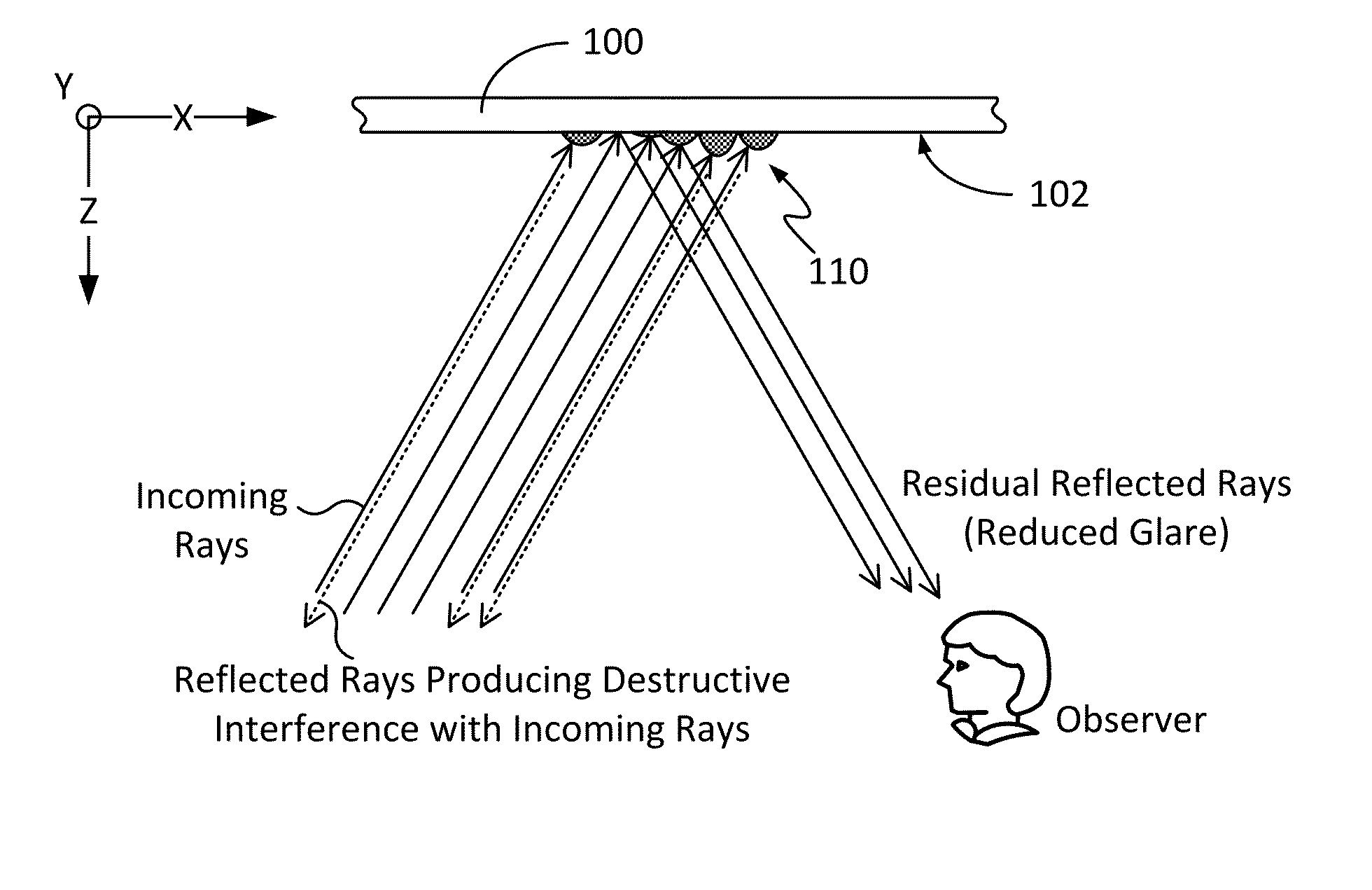
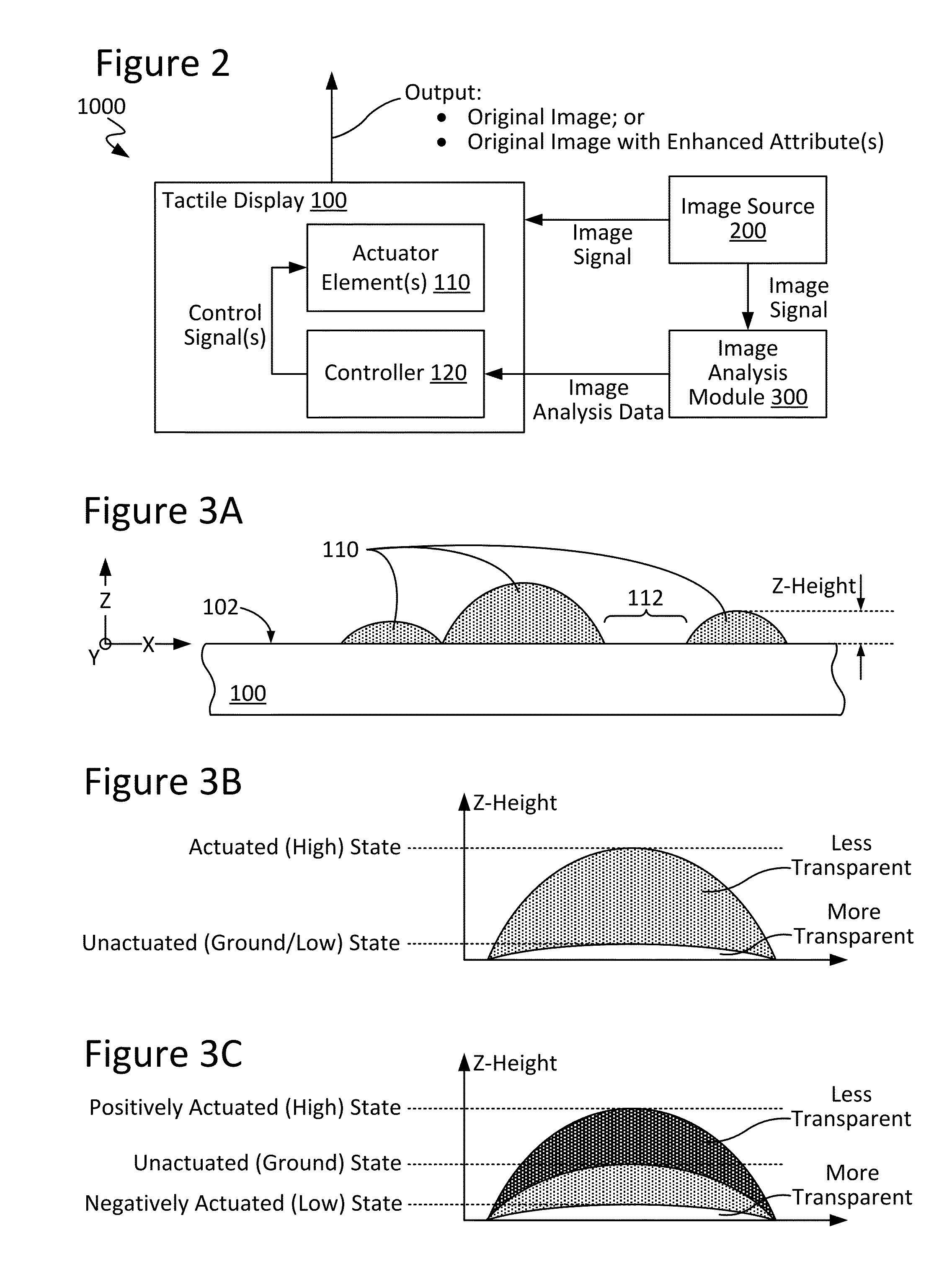
Techniques are disclosed for enhancing the quality of a displayed image using a tactile or other texture display. In particular, the disclosed techniques leverage active-texture display technology to enhance the quality of graphics by providing, for example, outlining and / or shading when presenting a given image, so as to create the effect of increased contrast and image quality and / or to reduce observable glare. These effects can be present even at high viewing angles and in environments of high light reflection. To these ends, one or more graphics processes, such as edge-detection and / or shading, may be applied to an image to be displayed. In turn, an actuator element (e.g., microelectromechanical systems, or MEMS, devices) of the tactile display may be manipulated (e.g., in Z-height) to provide fine-grain adjustment of image attributes such as: pixel brightness / intensity; pixel color; edge highlighting; object outlining; effective shading; image contrast; and / or viewing angle.
Description
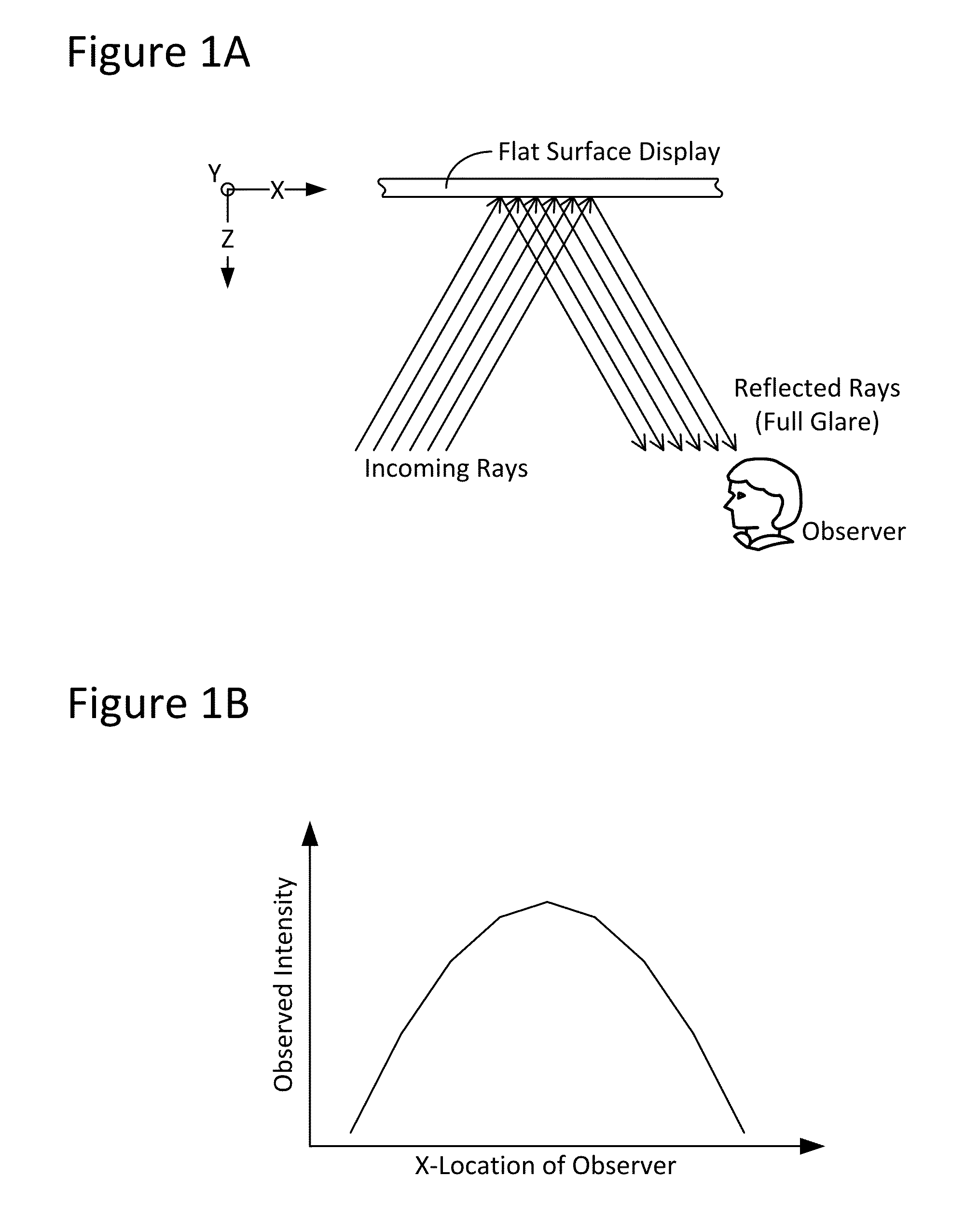
BACKGROUND[0001]Electronic displays are commonly used as an output device for visual presentation of information. Typical applications for displays include computing systems, televisions, and smartphones, to name a few. Some displays may be integrated with touchscreen technology to allow for user input. Displays sometimes incorporate an anti-reflective material to reduce glare, and thin film displays themselves are generally made as thin as possible to increase the maximum viewing angle in an effort to solve this glare issue. Other types of displays, such as electrophoretic (e-ink) displays, are designed for low-glare visibility, but they tend to lack the response time, resolution, and color density of traditional thin-film displays. Some hybrid display technologies, such as interferometric modulator displays (IMODs) that include an array of microelectromechanical systems (MEMS) devices, provide low-power solutions to dynamic light environments, but do not address glare since they h...
Claims
the structure of the environmentally friendly knitted fabric provided by the present invention; figure 2 Flow chart of the yarn wrapping machine for environmentally friendly knitted fabrics and storage devices; image 3 Is the parameter map of the yarn covering machine
Login to View More Application Information
Patent Timeline
 Login to View More
 IPC IPC(8): G06T5/00G09G5/36G09G5/02G06T7/00G09G5/00
CPCG06T5/009G06T7/0085G09G5/003G09G5/02G09G2320/0242G06T2207/10024G06T2207/20208G09G2340/14G09G5/363G09G3/3433G09G3/3493G09G2320/0626G09G2320/066G09G2320/0666
InventorCIANFRONE, JOSEPH A.
OwnerINTEL CORP