System and method for controlling catheter power based on contact force

A technology of contact force and catheter, applied in parts of surgical instruments, medical science, heating surgical instruments, etc., can solve problems such as heart wall perforation and heart tissue damage

CN106473804AActive Publication Date: 2017-03-08BIOSENSE WEBSTER (ISRAEL) LTD
20 Cites 2 Cited by

Patent Information

Authority / Receiving Office
CN · China
Patent Type
Applications(China)
Current Assignee / Owner
Publication Date
2017-03-08

Smart Images

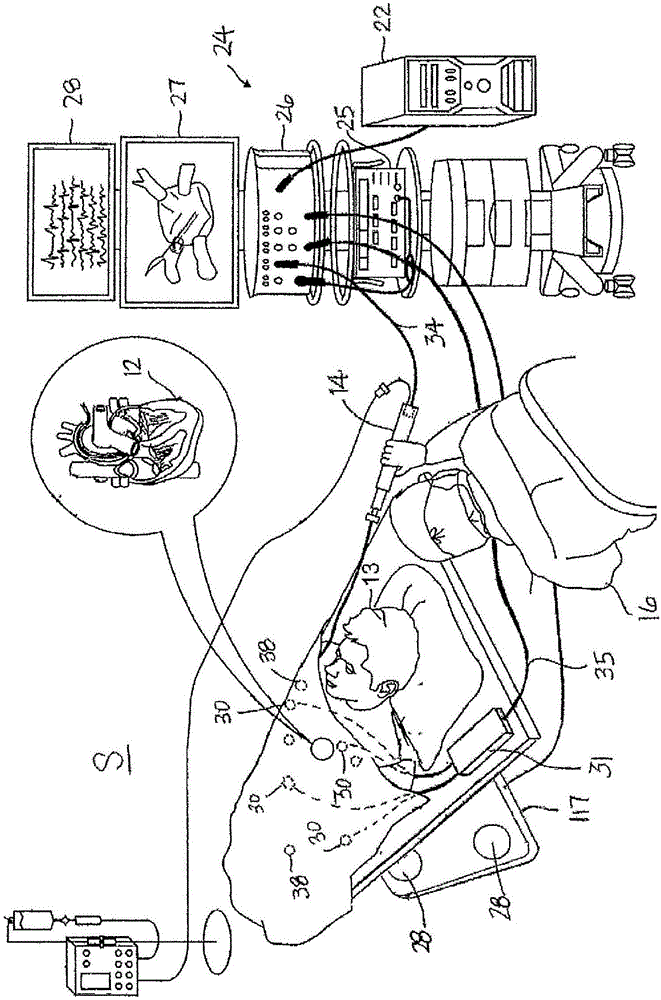
  • Figure 1
    Figure 1
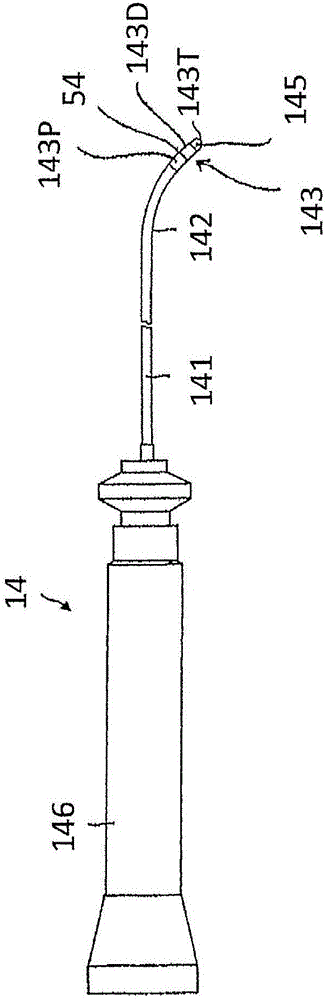
  • Figure 2
    Figure 2
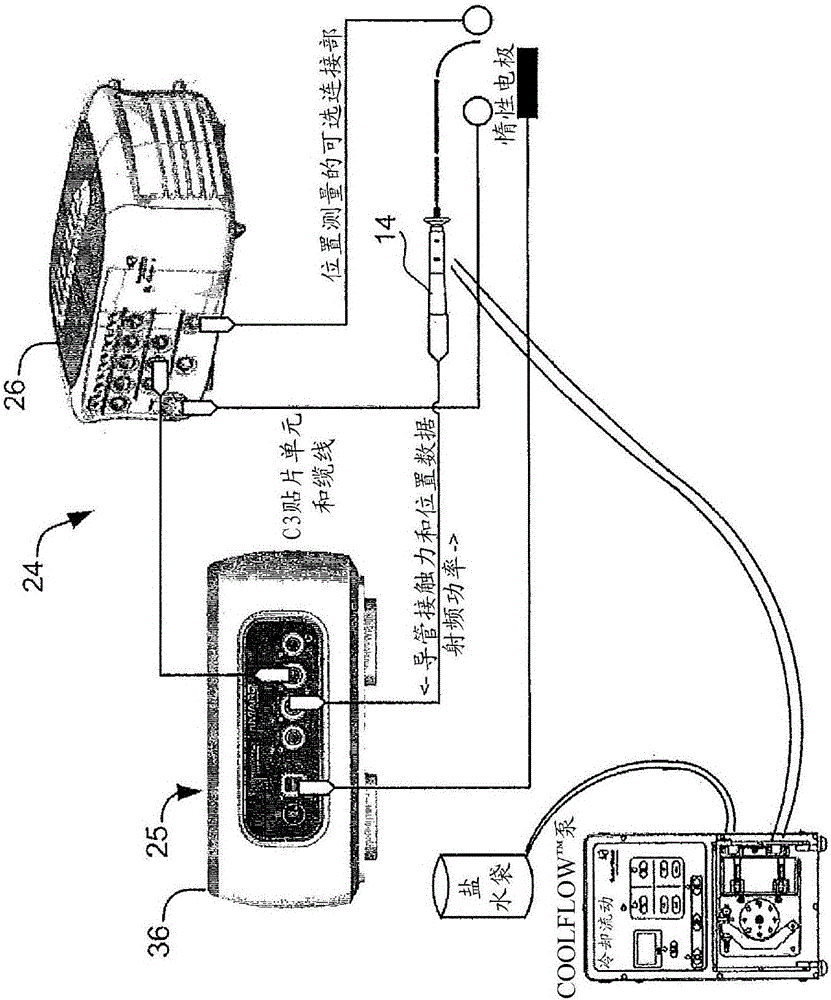
  • Figure 3
    Figure 3
Patent Text Reader

Abstract

The invention provides a system and a method for controlling a catheter power based on a contact force. A method for controlling an ablation power applied to a catheter includes: receiving, by a controller, a detected contact force from a sensor assembly of the catheter, the sensor assembly being configured to detect a contact force applied to the electrode; controlling, by the controller, a power supplied to an electrode of the catheter to have a deactivated power level when the detected contact force is less than a first threshold contact force; controlling, by the controller, the power supplied to the electrode of the catheter to have a first power level when the detected contact force is greater than the first threshold contact force; and controlling, by the controller, the power supplied to the electrode of the catheter to have a deactivated power level when the detected contact force is greater than a cutoff contact force, the cutoff contact force being greater than the first threshold contact force.
Need to check novelty before this filing date? Find Prior Art

Description

technical field

[0001] Aspects of embodiments of the invention relate to invasive medical devices and associated control systems (e.g., catheters) capable of sensing pressure applied against a probe, and to devices capable of adjusting the power supplied to the probe based on the sensed pressure. Control System. Background technique

[0002] In some diagnostic and therapeutic techniques, a catheter is inserted into a ventricle and makes contact with the inner wall of the heart. For example, intracardiac radiofrequency (RF) ablation is a known method of treating cardiac arrhythmias. In this technique, a catheter with an electrode at its distal tip is inserted through the patient's vasculature into a chamber of the heart. Electrodes are brought into contact with a single (or multiple) sites on the endocardium, and radiofrequency energy can be applied to the electrodes through a catheter to ablate cardiac tissue at the sites. However, excessive contact force (or pressure) an...

Examples

Embodiment Construction

[0041] The present invention relates to systems and catheters for cardiac catheterization in which the catheter has a sensor assembly that provides signals indicative of the position of the catheter and the pressure applied to the distal segment of the catheter (before it engages tissue and is applied by a probe to organizational stress). The distal section of the catheter also includes electrodes for applying radiofrequency energy through the catheter to ablate heart tissue at certain locations. In contrast to conventional systems for cardiac catheterization, the control system controls the amount of radiofrequency energy (e.g., the amount of ablation power) applied to the electrodes based on the amount of pressure (or contact force) applied to the distal segment of the catheter. ). By reducing the amount of ablation power as the detected contact force increases, the occurrence of excessive heating can be reduced or avoided, thereby reducing the risk of unintended damage to ...