

A method for ecologically cultivating third-stage larvae in salt marsh wetland underground brackish water
A brackish water and wetland technology, applied in application, climate change adaptation, fish farming, etc., can solve problems such as the inability to realize the cultivation of juvenile crabs in the third stage
- Summary
- Abstract
- Description
- Claims
- Application Information
AI Technical Summary
Problems solved by technology
Method used
Image

Examples
specific Embodiment approach 1
[0021] Specific implementation mode 1: This implementation mode is a method for ecologically cultivating Phase III larvae in salt marsh wetland underground brackish water, which is specifically carried out according to the following steps:
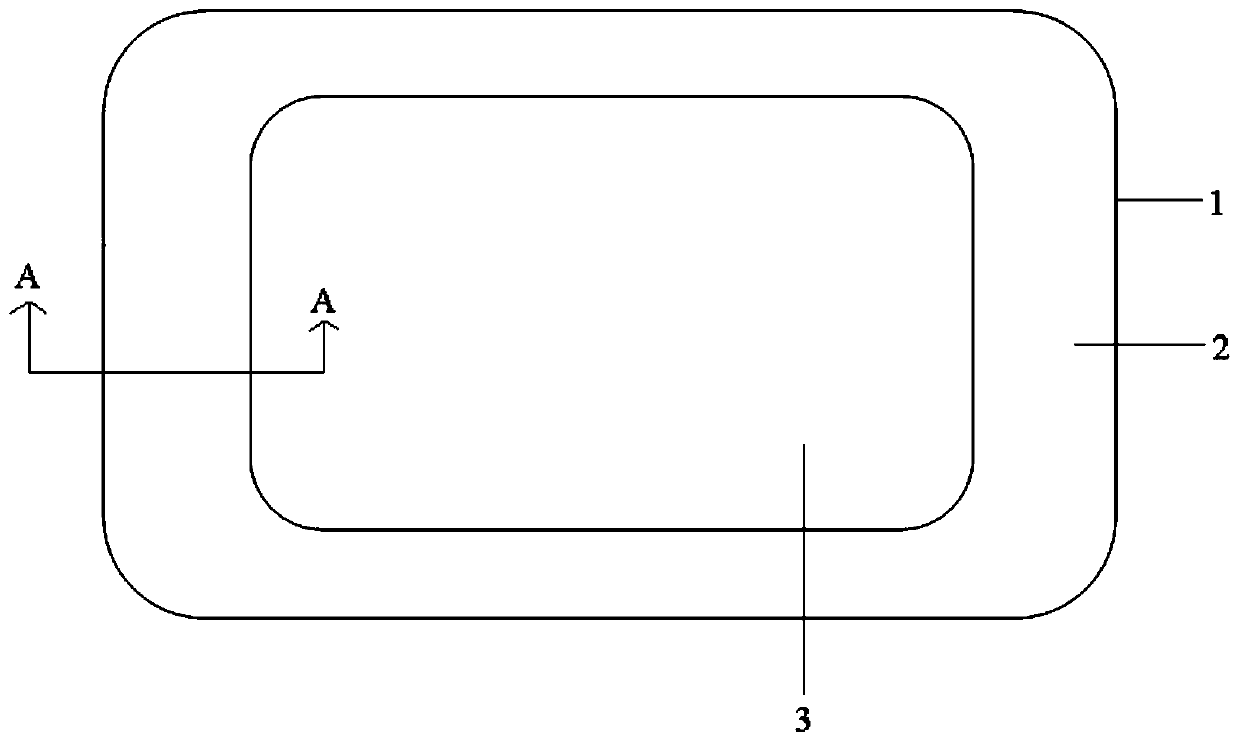
[0022] 1. The location selection of the cultivation pool: the selection area is 0.5hm 2 ~1hm 2 The natural salt marsh wetland area is used as a breeding pond for young crabs; the terrain of the natural salt marsh wetland is more than half a meter lower than the ground level; the emergent vegetation coverage of the natural salt marsh wetland exceeds 80%; the described Underground shallow brackish water in the natural salt marsh wetland has a single well output of 100m 3 / 24h;
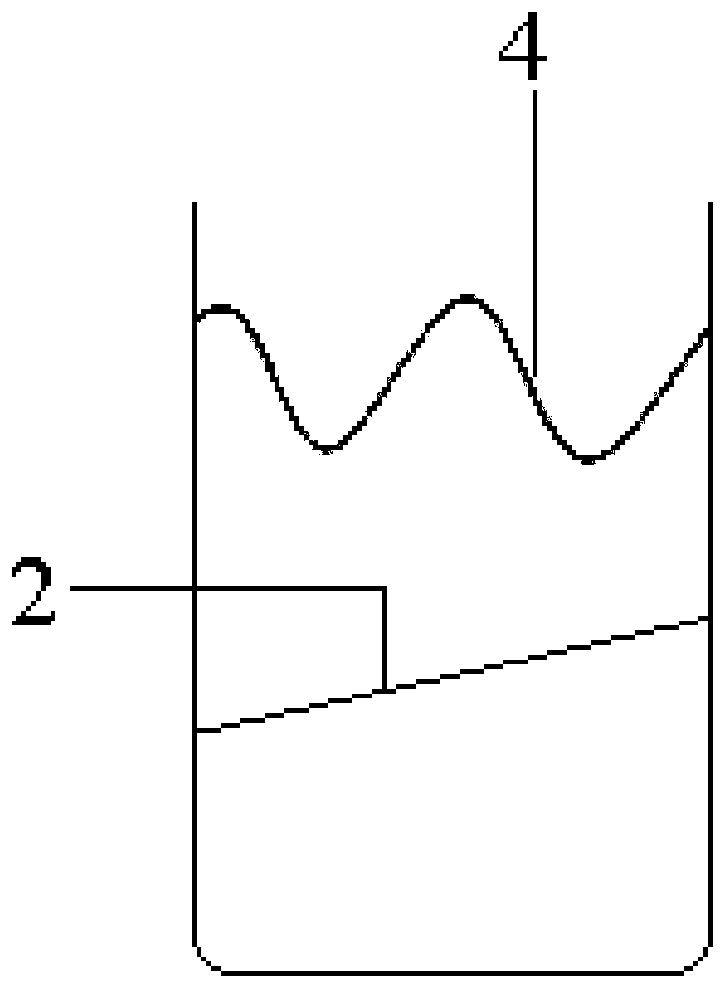
[0023] 2. Dig a slope-shaped ring ditch: dig a ring-shaped ditch near the edge of the cultivation pool; the ring-shaped ditch is slope-shaped and inclined from the center of the cultivation pool to the edge of the pool, and is 6° to 8° from the horizontal plane; T...
specific Embodiment approach 2
[0029] Embodiment 2: This embodiment differs from Embodiment 1 in that: the width of the annular ditch described in step 2 along the horizontal plane is 8m, and the water depth at the lowest point of the annular ditch is 1.1m. Others are the same as the first embodiment.
specific Embodiment approach 3
[0030] Embodiment 3: The difference between this embodiment and Embodiment 1 or 2 is that the depth of the deep-water well described in Step 3 is 80m. Others are the same as those in Embodiment 1 or 2.
PUM
 Login to View More
 Abstract
Description
Claims
Application Information
 Login to View More