Placenta preservation solution and preparation method thereof

A technology for preserving liquid and placenta, which is applied in the preservation, application, animal husbandry and other directions of human or animal body, can solve the problems of inconvenient application, cumbersome preparation process, complicated composition of preservation liquid, etc., and achieves no toxic side effects and preparation steps. Simple, less toxic effect

CN108684653AInactive Publication Date: 2018-10-23杭州联泽生物科技有限公司
5 Cites 6 Cited by

Patent Information

Authority / Receiving Office
CN · China
Current Assignee / Owner
Publication Date
2018-10-23
Estimated Expiration
Not applicable · inactive patent

Smart Images

  • Figure 1
    Figure 1
Patent Text Reader

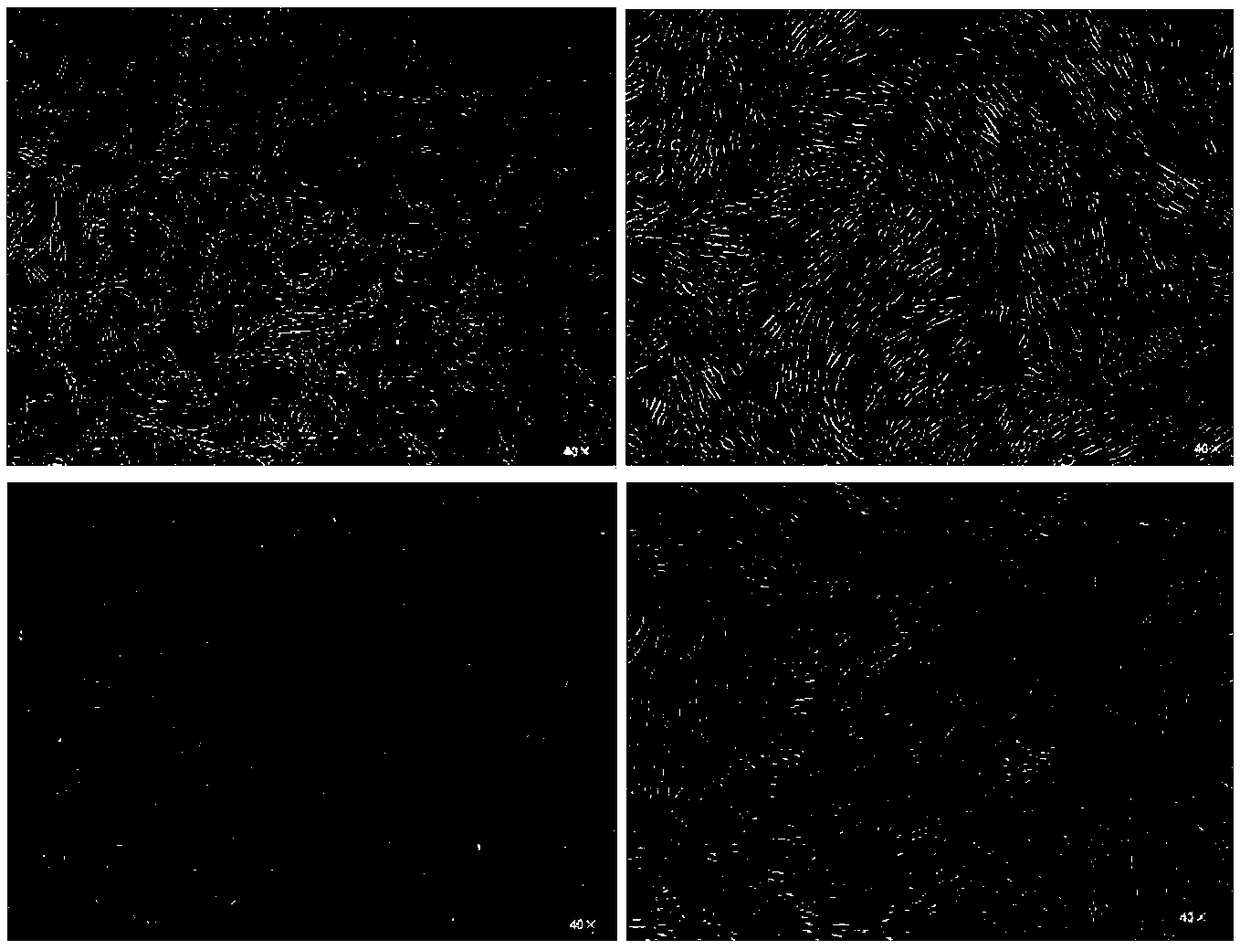
Abstract

The present invention relates to a composition for tissue preservation, and more particularly to a placenta preservation solution and a preparation method thereof. The placenta preservation solution comprises, in 1000 ml of an aqueous solution, 204 mg to 340 mg of potassium dihydrogen phosphate, 1.40 g to 1.50 g of disodium hydrogen phosphate, 7.6 g to 8.2 g of sodium chloride, 149 mg to 261 mg ofpotassium chloride, 100000U-1000000U of penicillin, 60mg-100mg of streptomycin, 12.5g of glucose, 5g of dextran-40, 7.35g of trisodium citrate and 352mg-528mg of vitamin C, and solution pH is 7.33-7.83. The placenta preservation solution is simple in components, stable and safe, has no toxic side effects, and has low cost. The placenta preservation solution is simple in preparation process and can be prepared in a large amount in a short time.
Need to check novelty before this filing date? Find Prior Art

Description

Technical field:

[0001] The invention relates to a composition for tissue preservation, and more specifically, to a placenta preservation liquid and a preparation method thereof. Background technique:

[0002] The human placenta is composed of amniotic membrane, chorionic membrane and decidua basalis. Amniotic membrane and chorionic membrane originate from the fetus, and the decidua in different regions originates from the mother. In addition to playing an important role in fetal development, nutritional support and maintenance of tolerance, the placenta is also a stem cell reserve. Placental tissue is easy to obtain, easy to handle, does not require invasive operations, and its research will not involve ethical and moral issues. Therefore, it has become a research hotspot in finding new sources of human stem cells.

[0003] Because the vitality of the placenta decreases rapidly in a short period of time when the placenta is in vitro, this directly affects the quality of the plac...

Examples

Embodiment 1

[0014] First, prepare a PBS buffer solution. Dissolve 8g of sodium chloride, 0.2g of potassium chloride, 1.42g of sodium hydrogen phosphate (Na2HPO4), and 0.272g of potassium dihydrogen phosphate in water, adjust the pH to 7.2~7.4, and make a constant volume of 1L. Autoclave sterilization, store at room temperature.

[0015] Next, weigh 12.5g glucose powder, 7.35g trisodium citrate, 0.5g vitamin C, dissolve them in 1L PBS buffer solution, stir evenly to form a mixed solution, and then filter with a 0.22μm filter to obtain the final solution.

[0016] From figure 1 In order to better isolate and culture mesenchymal stem cells from placental tissue stored in this preservation solution for 2 weeks, the protective solution formula usually used protects for about 1 week, and this preservation solution has significantly improved.