
Method of detecting dust mite allergen
A technology for allergens and dust mites, applied in the field of chemical inspection, can solve problems such as cumbersome and complex methods
- Summary
- Abstract
- Description
- Claims
- Application Information
AI Technical Summary
Problems solved by technology
Method used
Image

Examples
Embodiment
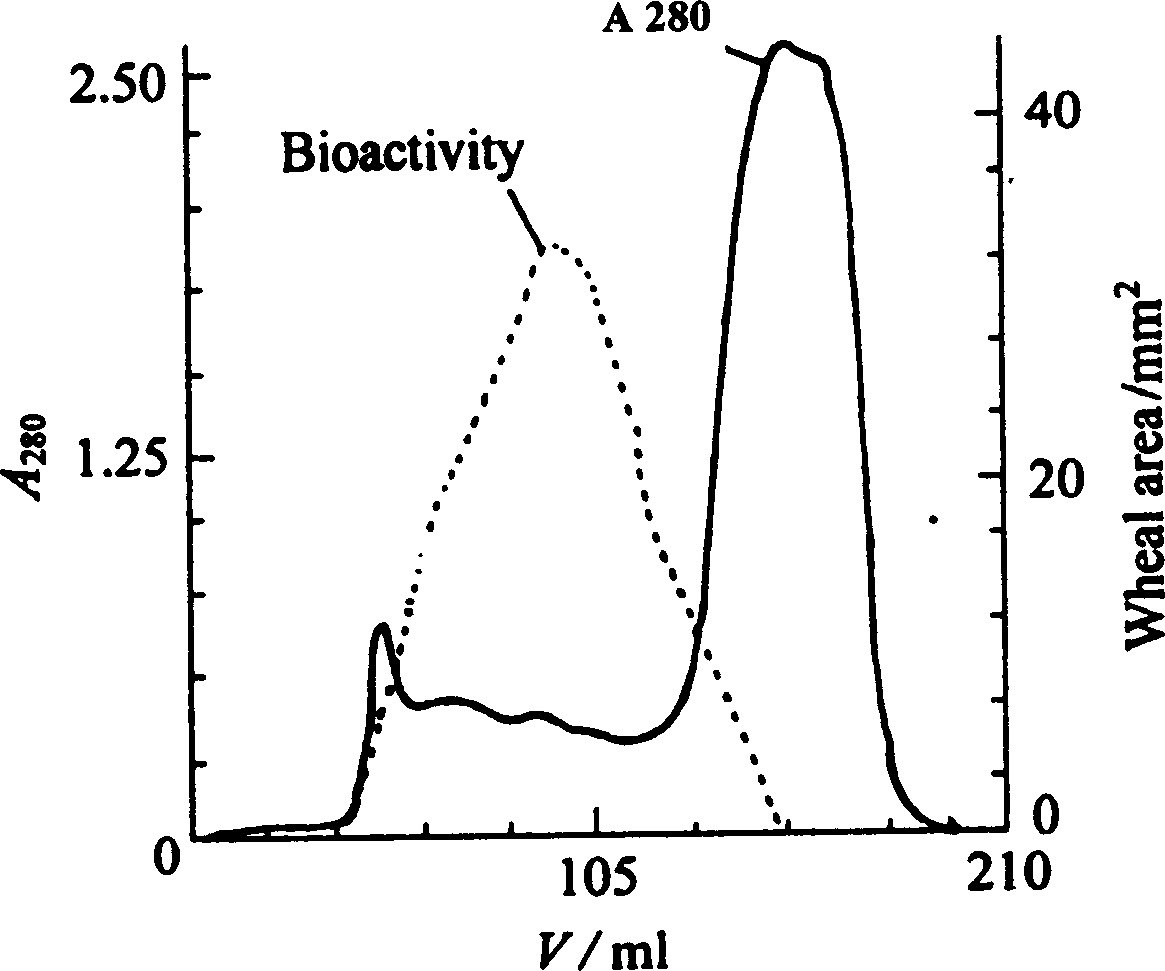
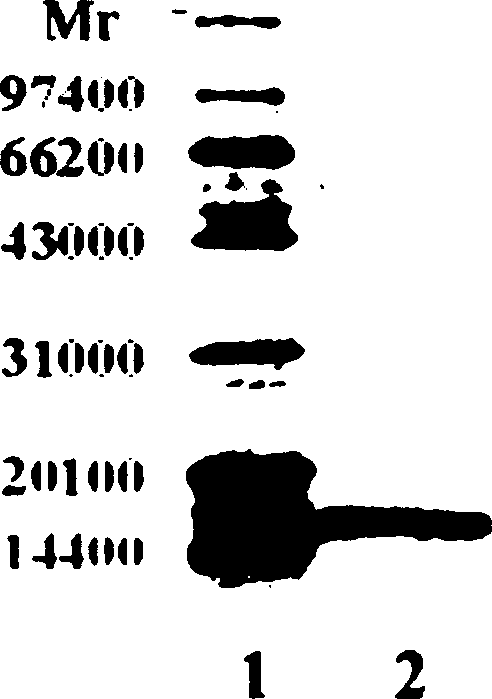
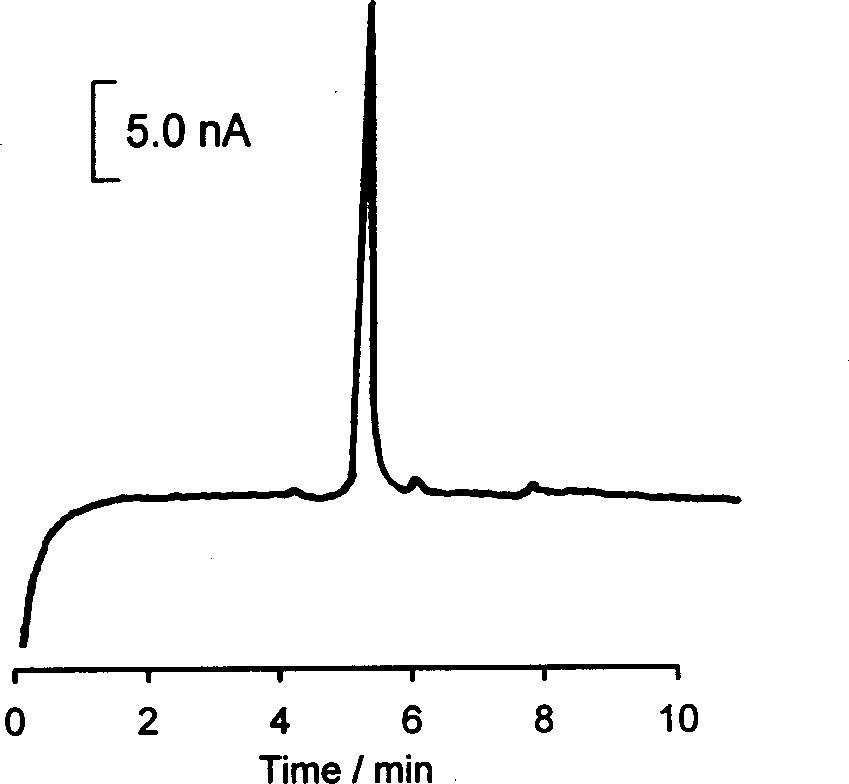
[0014] 1. Preparation of laboratory standard product Der f2 Take the Dermatophagoides farinae culture medium and degrease it with acetone, immerse it in physiological saline at 1:5 (w / v), stir at 4°C for 48 hours, centrifuge at low temperature (10000rpm) for 20 minutes, and take the supernatant liquid. The supernatant was subjected to Sephadex G-200 column chromatography, eluted with 0.01mol / L PB, pH 7.2, and used as a skin prick test for mite asthmatic patients to collect the eluted fraction with biological activity. Partially in the "valley" between two eluting peaks. The biologically active fraction eluted by Sephadex G-200 chromatography was subjected to DEAE-cellulose chromatography, and the protein peak was collected after elution with 0.01mol / L PBS pH 7.2, and the collected protein peak was concentrated Perform zone electrophoresis. After electrophoresis, the gel bands are cut into strips, respectively soaked in double distilled water, and placed at 4°C for 4 days to c...
PUM
 Login to View More
 Abstract
Description
Claims
Application Information
 Login to View More