Businesses and account acquirers and card issuers are concerned with preventing fraud, which ultimately increases costs to consumers.
Although such
processing can be effective at preventing fraud, such procedures can increase the
transaction time to certify a card for use and can make it difficult to provide an efficient and convenient user experience.
Some applications, however, are limited in their ability to accommodate conventional online
authentication and
verification schemes.
This means that the transit fare
payment and collection process can not be performed effectively using a conventional online
authentication and approval process.
This presents a difficulty because effective fraud prevention typically requires
authentication that the card user is entitled to access and has sufficient funds for the desired transaction.
This can become a significant problem if a user wishes to utilize more than one
system, such as multiple transit agencies or venues within a single geographical area or in different cities or locations.
This places a significant processing burden on the terminals and / or fare processing systems and increases the cost of implementing the infrastructure for such systems.
As fare rates and other
relevant information generally change over time, this also increases the demands placed upon such systems.
A related issue is the need to protect confidential data on the
payment cards.
Because of security concerns at the alternative agency or venue, it may be undesirable to permit the alternative payment process to have access to the banking data.
This can create a problem if a user wishes to link their alternative transaction activities to their standard banking payment account so that the alternative transaction payments can be completed, or if the user desires to use the banking payment account to “load” the balance for the alternative
transaction account.
In such circumstances, there is effectively insufficient time to go on-line to the issuer for transaction approval, and still have time to process a flow of thirty to forty-five passengers per minute, as required in the typical transit environment.
These and other issues that need to be resolved include:Card authentication must be achieved (off line at the transit fare device) to halt use of counterfeit cards and potential for unbounded fraud.
However there are no provisions for card authentication utilizing the existing MSD application.
Key management is problematic in many-to-many relationships (agency's and issuers).
Fore instance, how do symmetric keys get exchanged ahead of time prior to creation of issuer / agency relationships?Creation of appropriate file space and management of card memory is difficult to coordinate, especially in cases where the participants (issuers and agencies) do not have relationships in advance of card issuance.Transit negative
list management is an issue, because of the potential for negative lists to grow out of bounds as contactless issuance expands and / or when counterfeit card attacks occur.



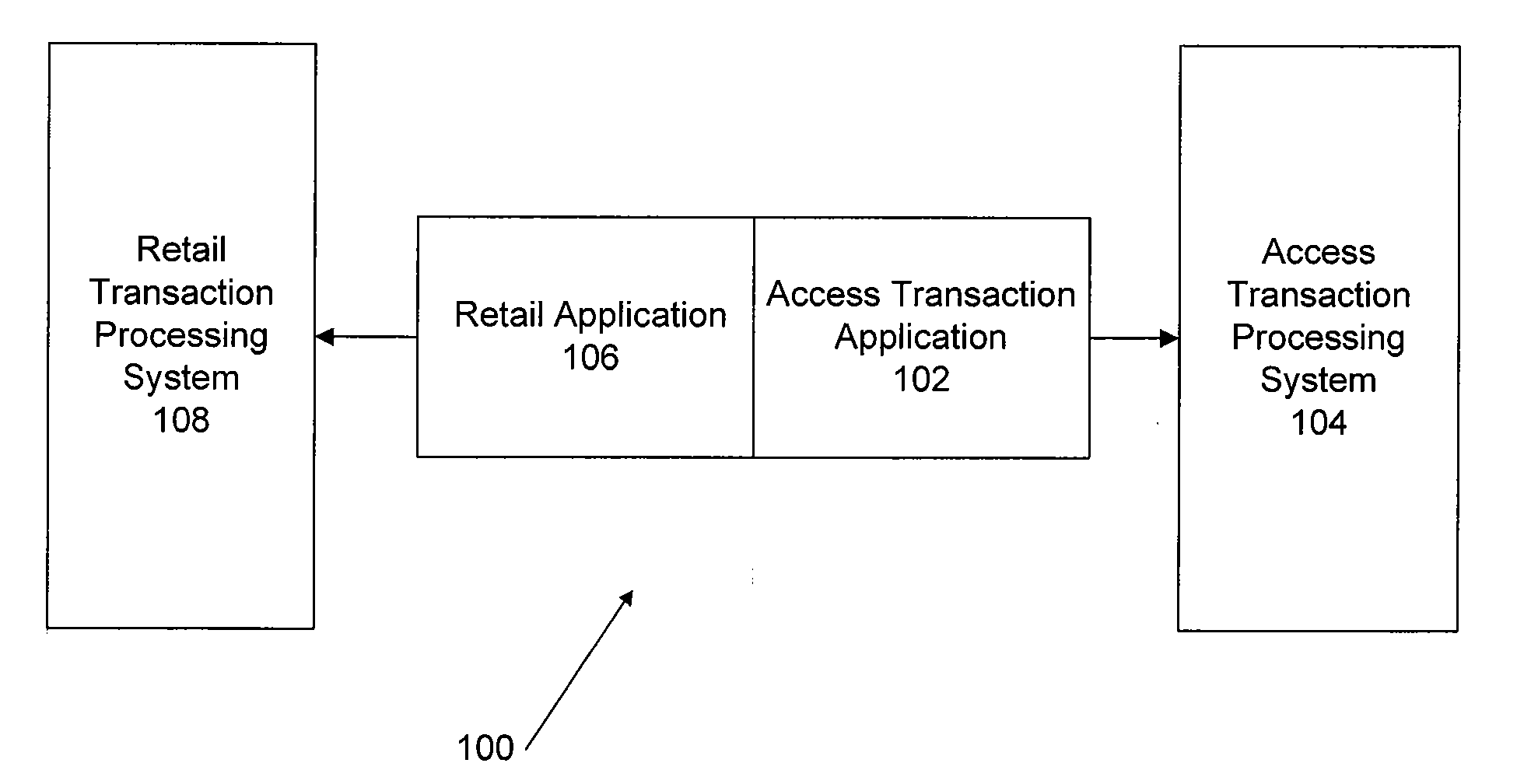
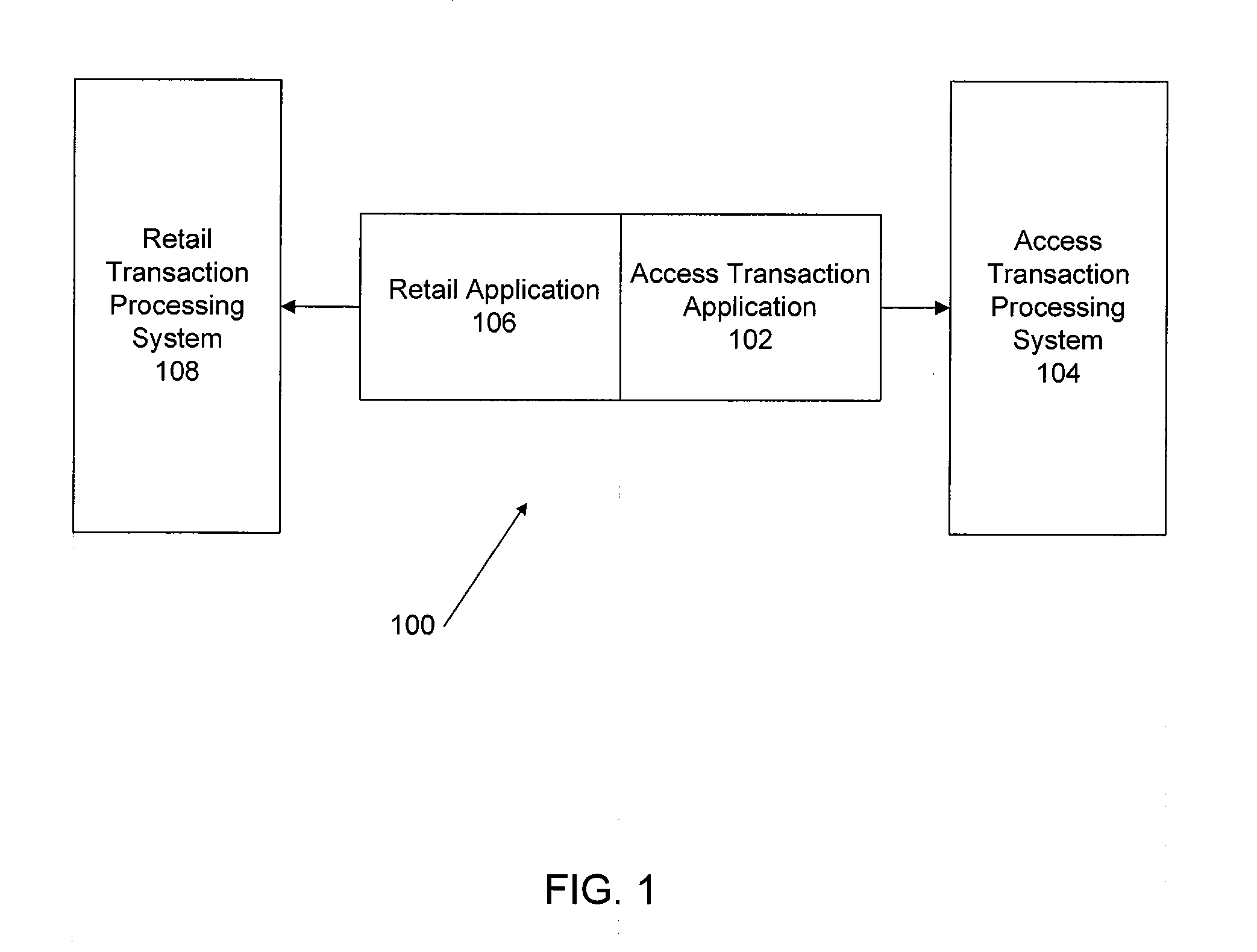
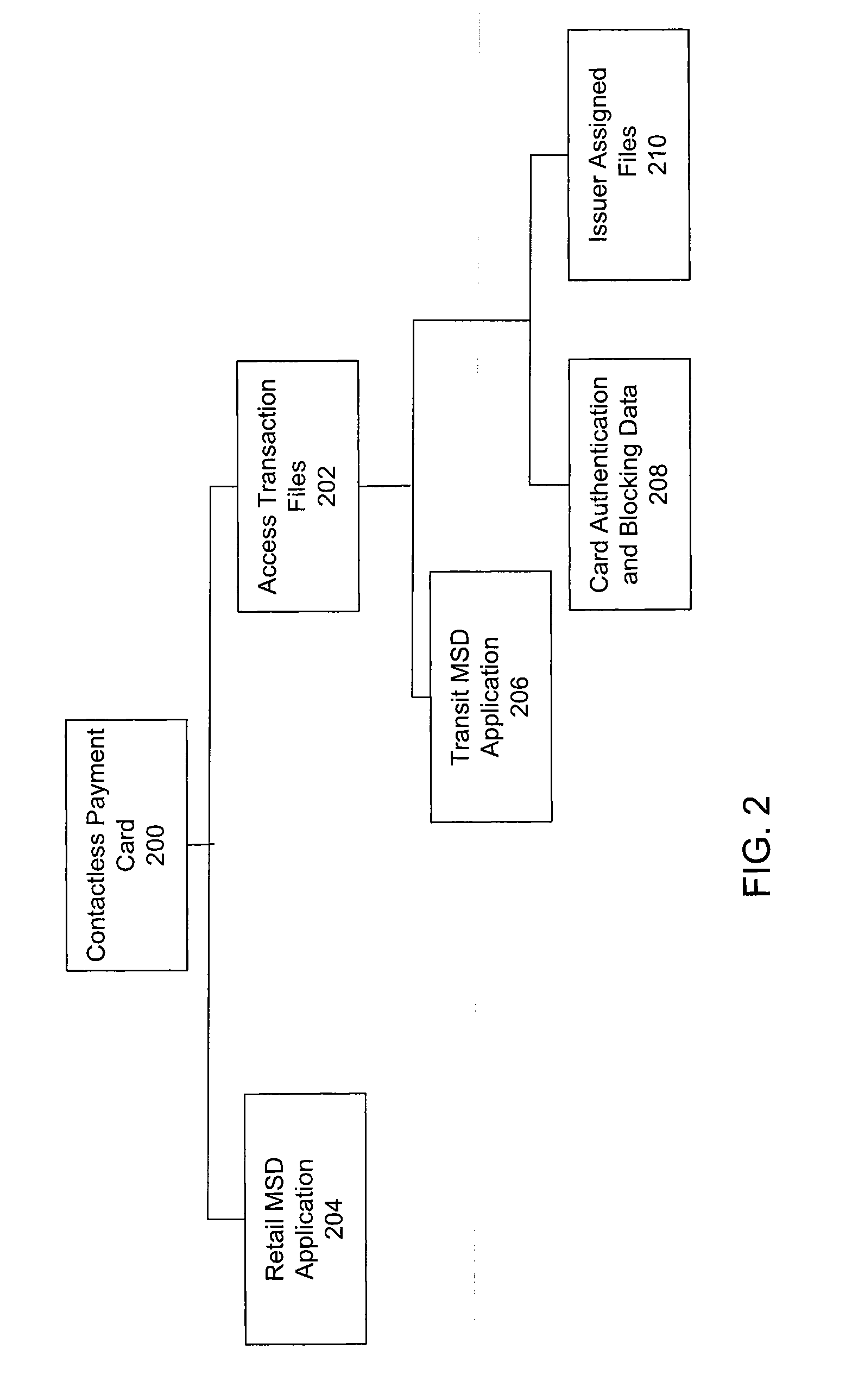
 Login to View More
  Login to View More