

Method and system for cannula positioning
Patent Information
- Authority / Receiving Office
- US · United States
- Current Assignee / Owner
- Publication Date
- 2011-01-20
- Estimated Expiration
- Not applicable · inactive patent
Smart Images
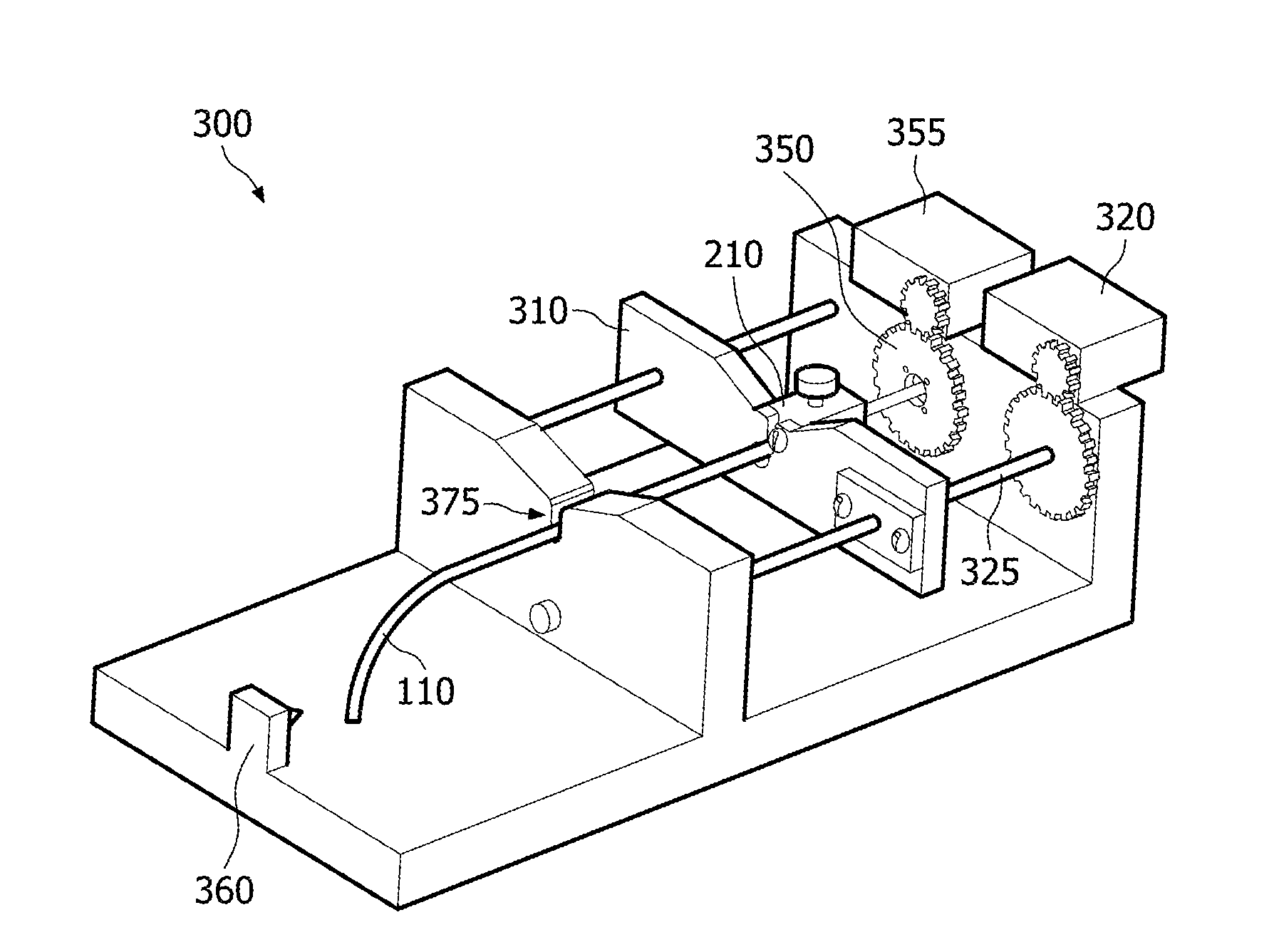
Figure 1 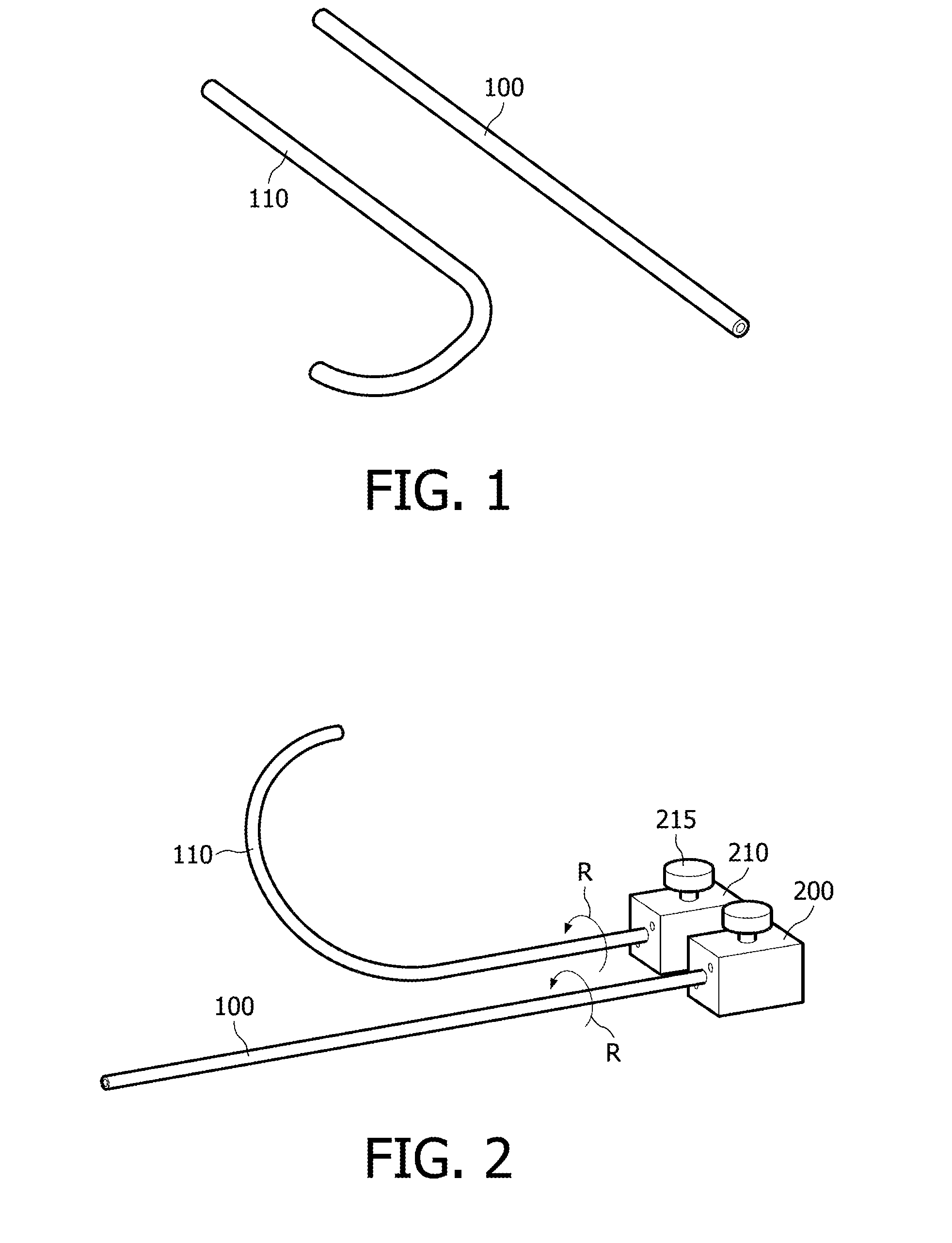
Figure 2 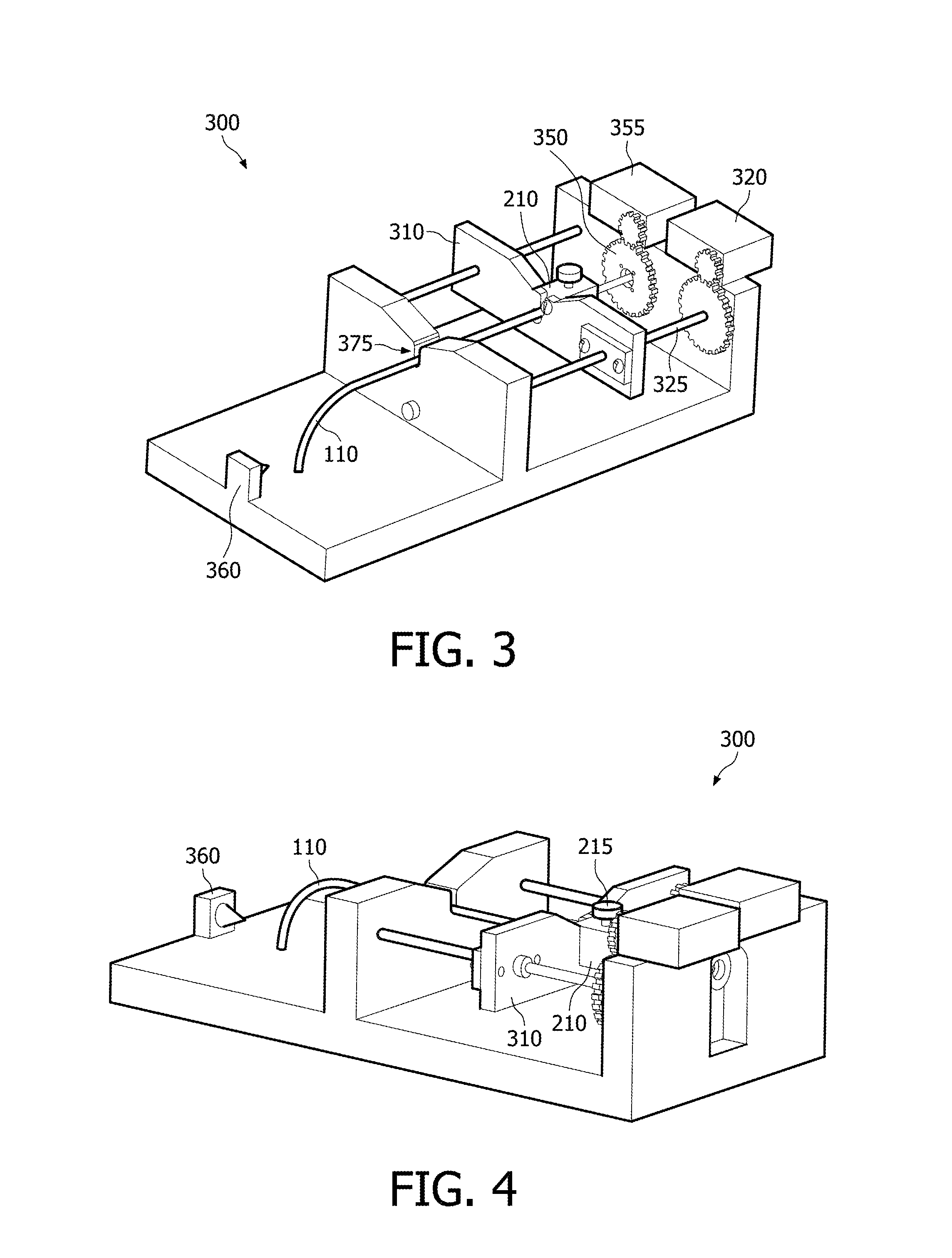
Figure 3
Abstract
Description
FIELD OF THE INVENTION
[0001] This disclosure relates generally to medical systems and more specifically to a method and system for cannula positioning.BACKGROUND
[0002] The use of minimally invasive surgical procedures has grown in recent years due to their ability to allow for monitoring or surgical treatment without the trauma typically resulting from open surgery. Minimally invasive surgical procedures can also allow for access to anatomical regions that were previously unreachable.
[0003] Typical tools utilized in minimally invasive surgical procedures can include rigid laparoscopic devices, robotic devices, or scopes that utilize marionette-like strings for control. Each of these devices imposes certain limitations and has inherent drawbacks. For instance, rigid laparoscopic devices can require open space for maneuvering both inside and outside the body. This space requirement can preclude the use of rigid laparoscopic devices in many types of procedures.
[0004] Robotic devices are un...
Examples
Embodiment Construction
[0036]The exemplary embodiments of the present disclosure are described with respect to minimally invasive surgery of a human. It should be understood by one of ordinary skill in the art that the exemplary embodiments of the present disclosure can be applied, whether human or animal. In one exemplary embodiment of the present invention, the active cannula can build the intended motion into the construction of the device so that motors, wires or other control structure is unnecessary, and these small, thin devices are able to reach far into the human anatomy. The active cannula of the present invention can be configured to reach a target, while avoiding anatomical obstacles.
[0037]Referring to the drawings, and in particular to FIG. 1, a series of tubes 100, 110 are shown. Tubes 100, 110 can have particular dimensions and shapes so that when nested together and then extended from their nested position, they travel to a targeted anatomical region. In one embodiment, the inner and outer...