

Methods for stabilizing joint damage in subjects using xanthine oxidoreductase inhibitors
a technology of xanthine oxidoreductase inhibitor and joint damage, which is applied in the direction of biocide, drug composition, instruments, etc., can solve the problems of joint damage, initiation of ult earlier should not be considered, and data in early gout is currently not availabl
- Summary
- Abstract
- Description
- Claims
- Application Information
AI Technical Summary
Benefits of technology
Problems solved by technology
Method used
Image

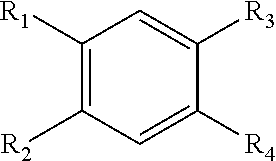
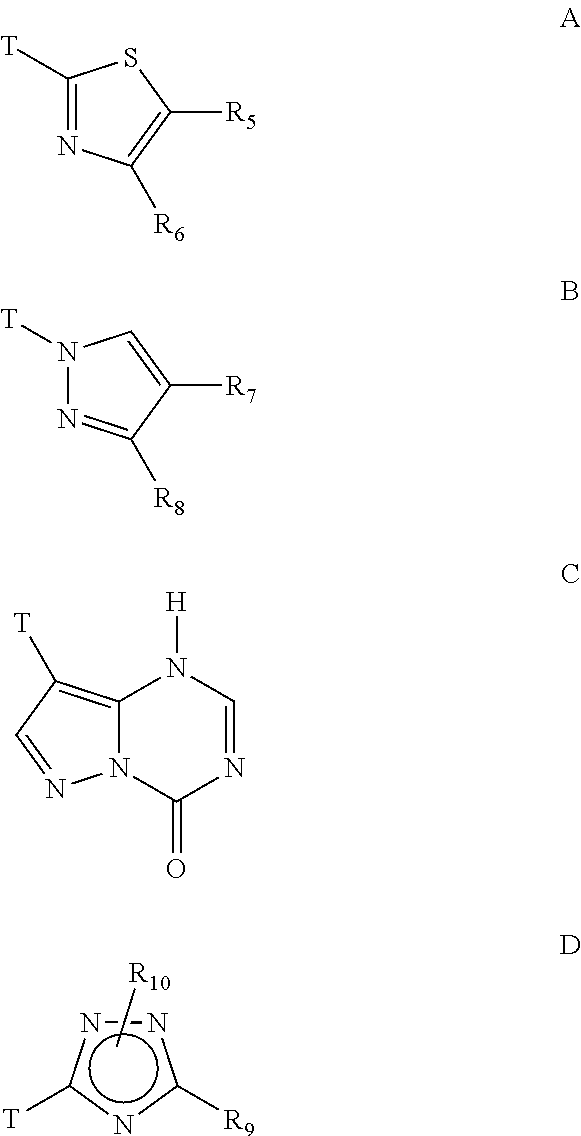
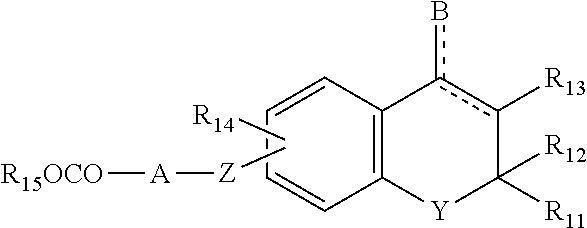
Examples
example 1
A Double-Blind, Multicenter, Placebo-Controlled Study Designed to Evaluate the effect of 2-[3-cyano-4-(2-methylpropoxy)phenyl]-4-methylthiazole-5-carboxylic Acid on Joint Damage in Hyperuricemic Subjects with Early Gout Study Design
[0113]This is a phase 2, multi-center, double-blind, randomized, placebo-controlled, study to evaluate the efficacy of 2-[3-cyano-4-(2-methylpropoxy)phenyl]-4-methylthiazole-5-carboxylic acid on joint damage in hyperuricemic subjects with early gout.
[0114]More specifically, as will be discussed in more detail below, the purpose of this study is to evaluate the 2-[3-cyano-4-(2-methylpropoxy)phenyl]-4-methylthiazole-5-carboxylic acid compared to placebo on joint damage in hyperuricemic subjects with early gout who are urate lowering therapy (ULT) naïve with a history of a single acute flare located within right or left metatarsophalangeal (MTP), ankle, metacarpophalangeal (MCP), interphalangeal (IP), proximal interphalangeal (PIP), or distal interphalangeal...
PUM
| Property | Measurement | Unit |
|---|---|---|
| concentration | aaaaa | aaaaa |
| concentrations | aaaaa | aaaaa |
| swelling | aaaaa | aaaaa |
Abstract
Description
Claims
Application Information
 Login to View More