Pilot allocation method based on coherence time for large-scale MIMO system

US20170264410A1Active Publication Date: 2017-09-14SOUTHEAST UNIV
0 Cites 0 Cited by

Patent Information

Authority / Receiving Office
US · United States
Current Assignee / Owner
Publication Date
2017-09-14

Smart Images

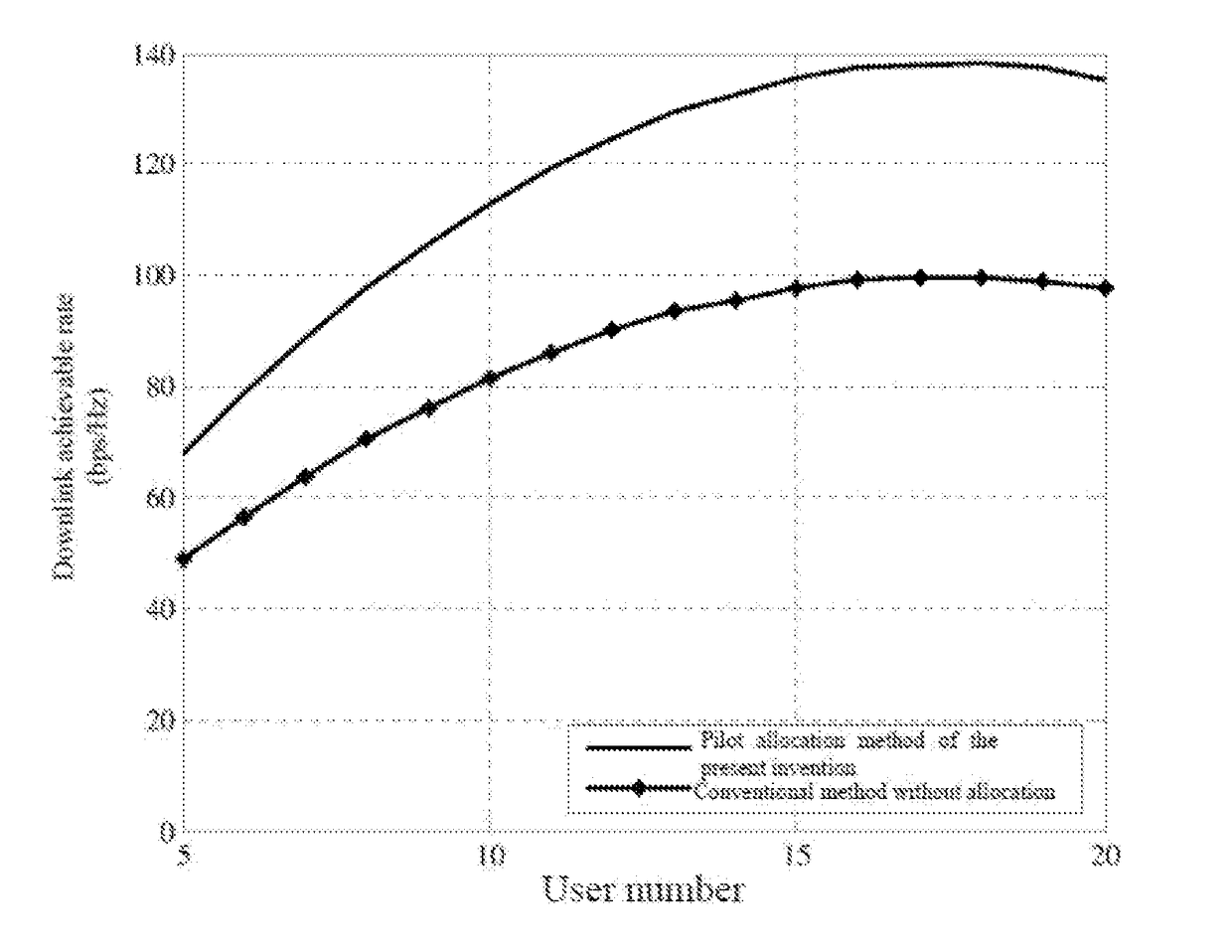
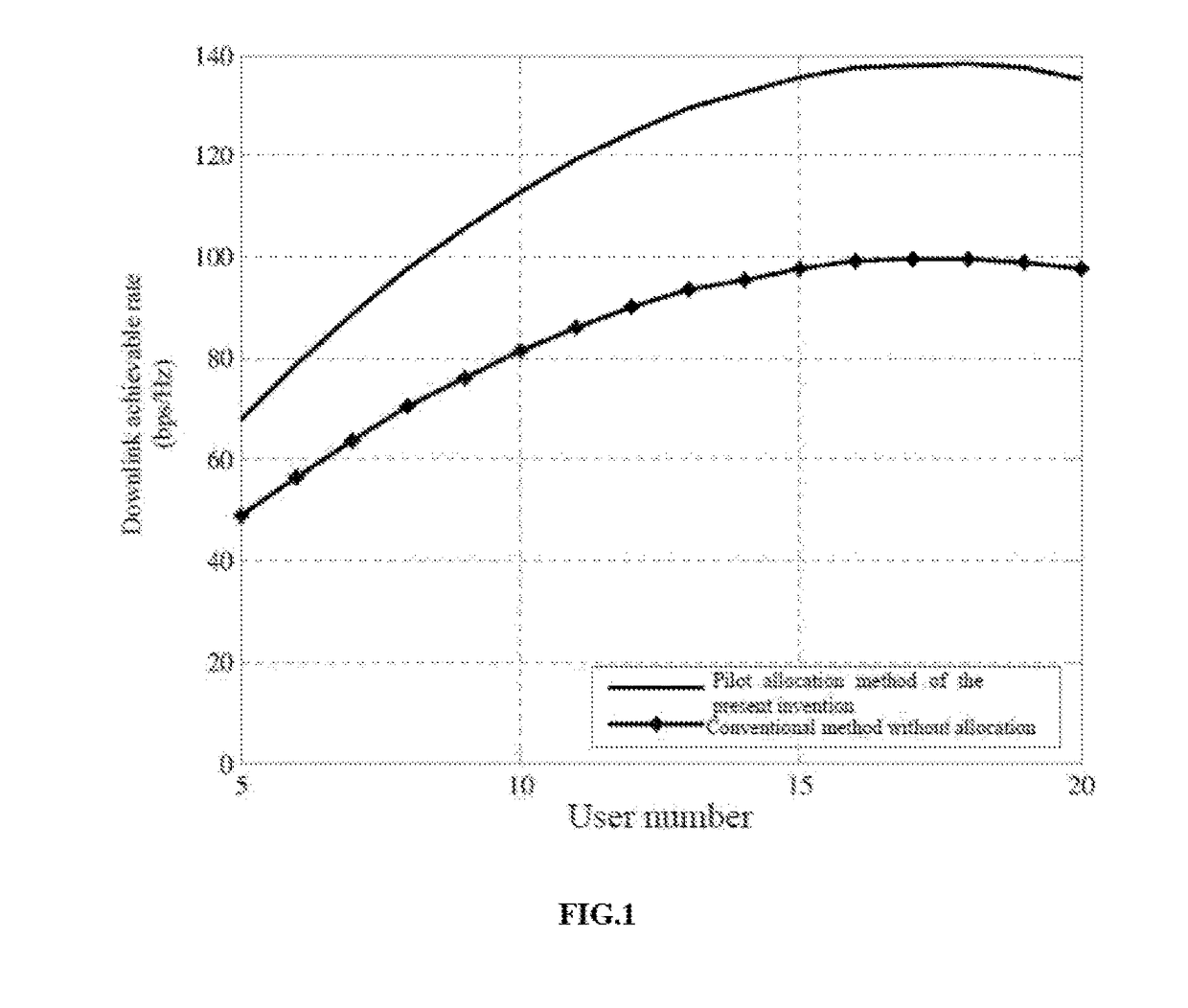
  • Figure 1
    Figure 1
  • Figure 2
    Figure 2
  • Figure 3
    Figure 3
Patent Text Reader

Abstract

Disclosed is a pilot allocation method based on coherence time for a large-scale multiple input multiple-output (MIMO) system. The present invention achieves optimal allocation of pilot resources by fully utilizing the feature that different users possibly have different moving speeds and coherence time of corresponding channels is accordingly different, thereby improving overall data transmission performance of the system and achieving certain practicability. Moreover, the present invention effectively uses limited transmission resources in the case of limited total transmission resources, thereby improving overall data transmission performance of the system and effectively reducing pilot contamination.
Need to check novelty before this filing date? Find Prior Art

Description

CROSS REFERENCE TO RELATED APPLICATIONS

[0001] This application is the national phase of International Application No. PCT / CN2014 / 095245, filed on Dec. 29 2014, which is based upon and claims priority to Chinese Patent Application No. 201410404568.X, filed on Aug. 15, 2014, the entire contents of which are incorporated herein by reference.TECHNICAL FIELD OF THE INVENTION

[0002] The present invention relates to the technical field of wireless communications, and in particular, to a pilot allocation method based on coherence time for a large-scale multiple-input multiple-output (MIMO) system.BACKGROUND OF THE INVENTION

[0003] With the ever-increasing user demand for a high-speed data service and continuous growth in the number of cell users, the mobile communications network has an ever-increasing demand for spectrum resources. Utilization of a system spectrum of a large-scale multiple-user multiple-input multiple-output (MU-MIMO) system is improved by increasing the number of base station ...

Examples

Example

[0018]The technical solution of the present invention is further explained below with reference to the accompanying drawings.

[0019]The present invention provides a pilot allocation method based on coherence time for a large-scale MIMO system, where the solution includes the following process:

[0020]Step 1: There>are L cells, each cell has one base station and K users, M represents the total number of antennas of the base station, and gikj represents a channel vector from the kth user in the ith cell to the base station of the jth cell, where k=1, 2, 3 . . . K, gikj√{square root over (βikj)}hikj, hikj represents a complex fast fading vector from the kth user terminal in the ith cell to the base station of the jth cell, hikj remains unchanged within a coherence time length Tik, Tik represents channel coherence time of the kth user terminal in the ith cell, and βikj represents a slow fading coefficient from the kth user terminal in the ith cell to the base station of the jth cell. The s...