Generating and validating pixel coordinates of a touch screen display

a touch screen display and pixel coordinate technology, applied in the direction of instruments, computing, electric digital data processing, etc., can solve the problems of sampling errors, detection of active touch of the display screen (or apparent touch), and inability to generate noisy estimates, so as to reduce sampling delays and avoid waste of time generating

US7385593B2Active Publication Date: 2008-06-10TRANE INT INC
13 Cites 17 Cited by

Patent Information

Authority / Receiving Office
US · United States
Patent Type
Patents(United States)
Current Assignee / Owner
Publication Date
2008-06-10

Smart Images

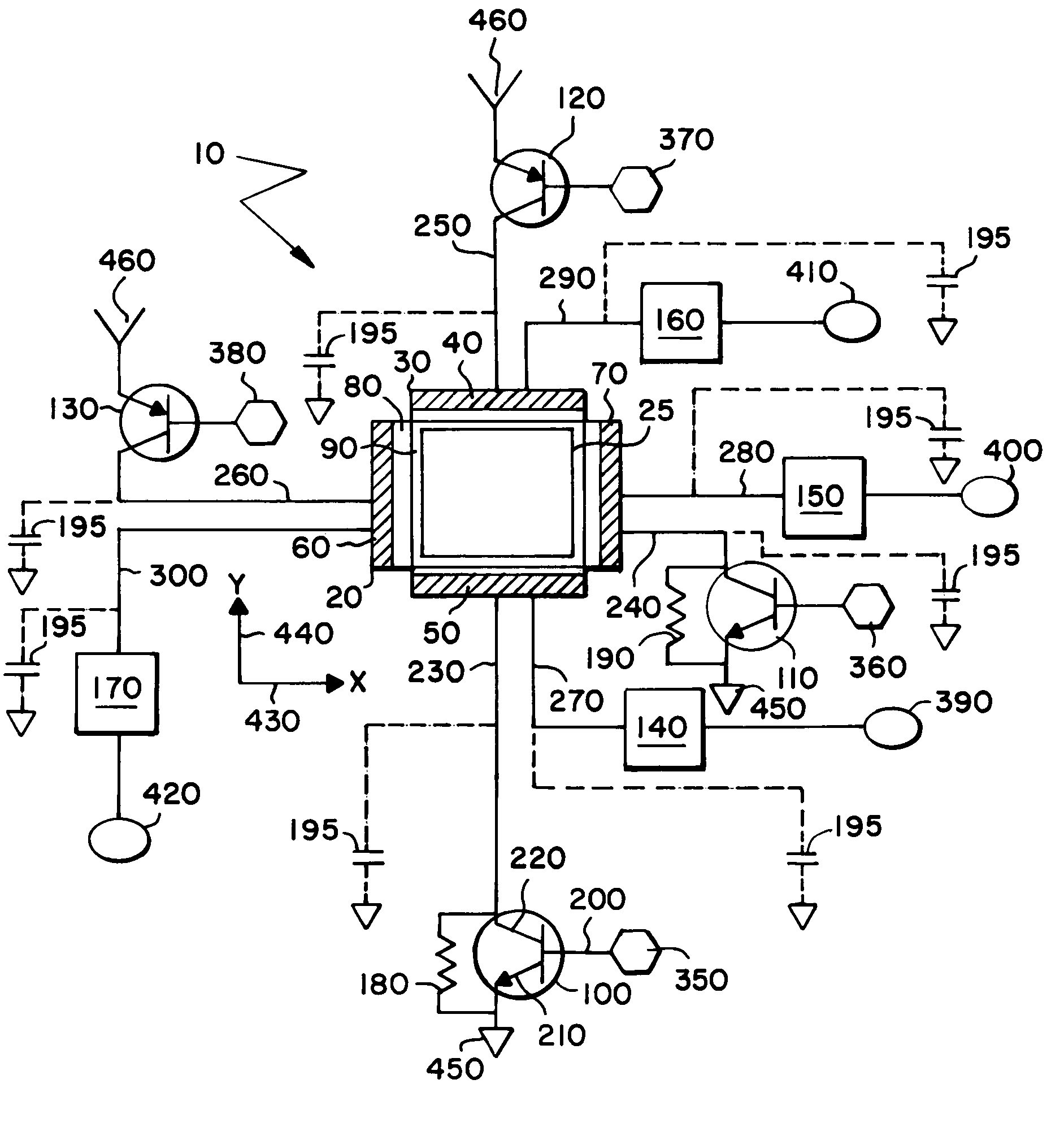
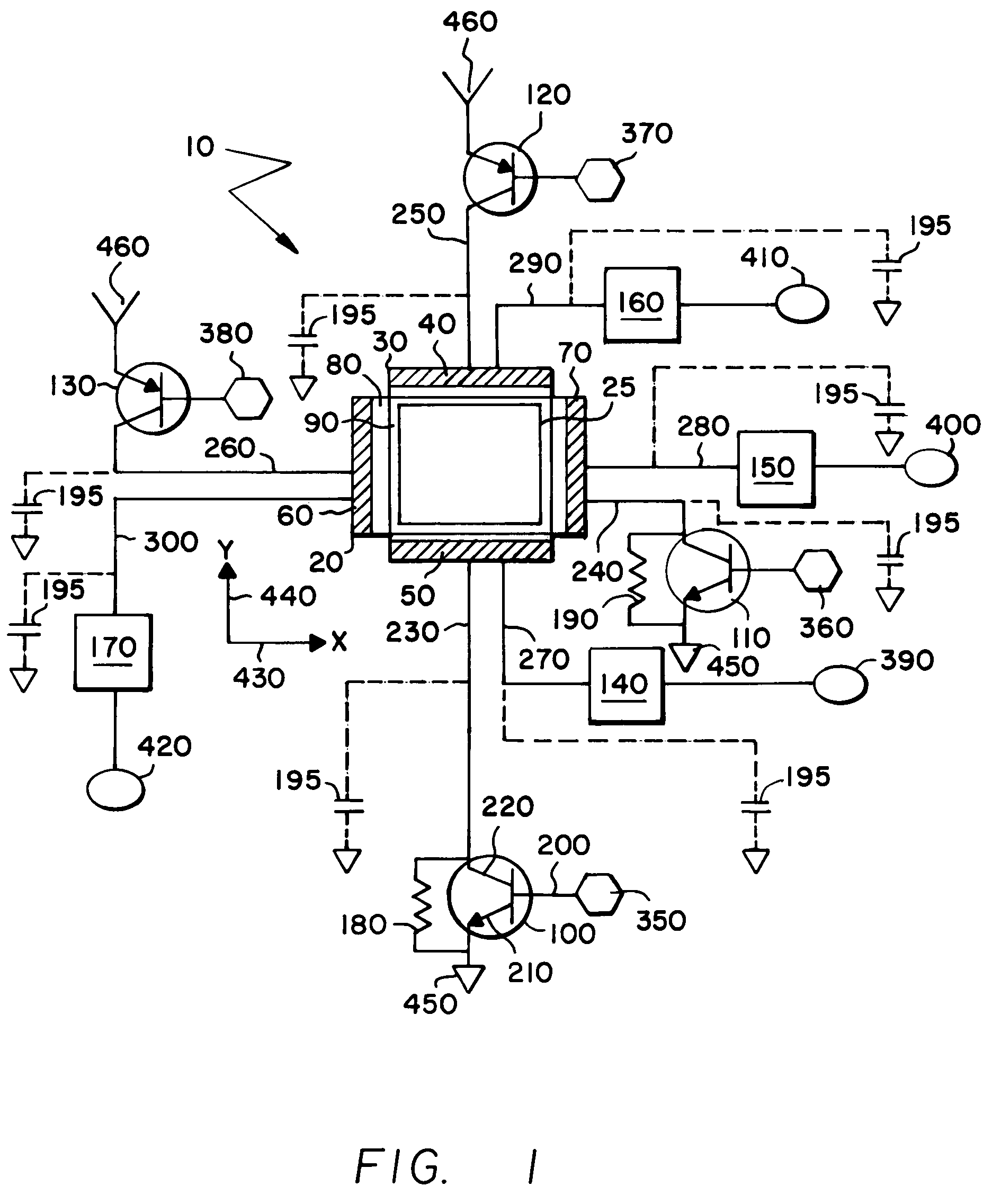
  • Figure 1
    Figure 1
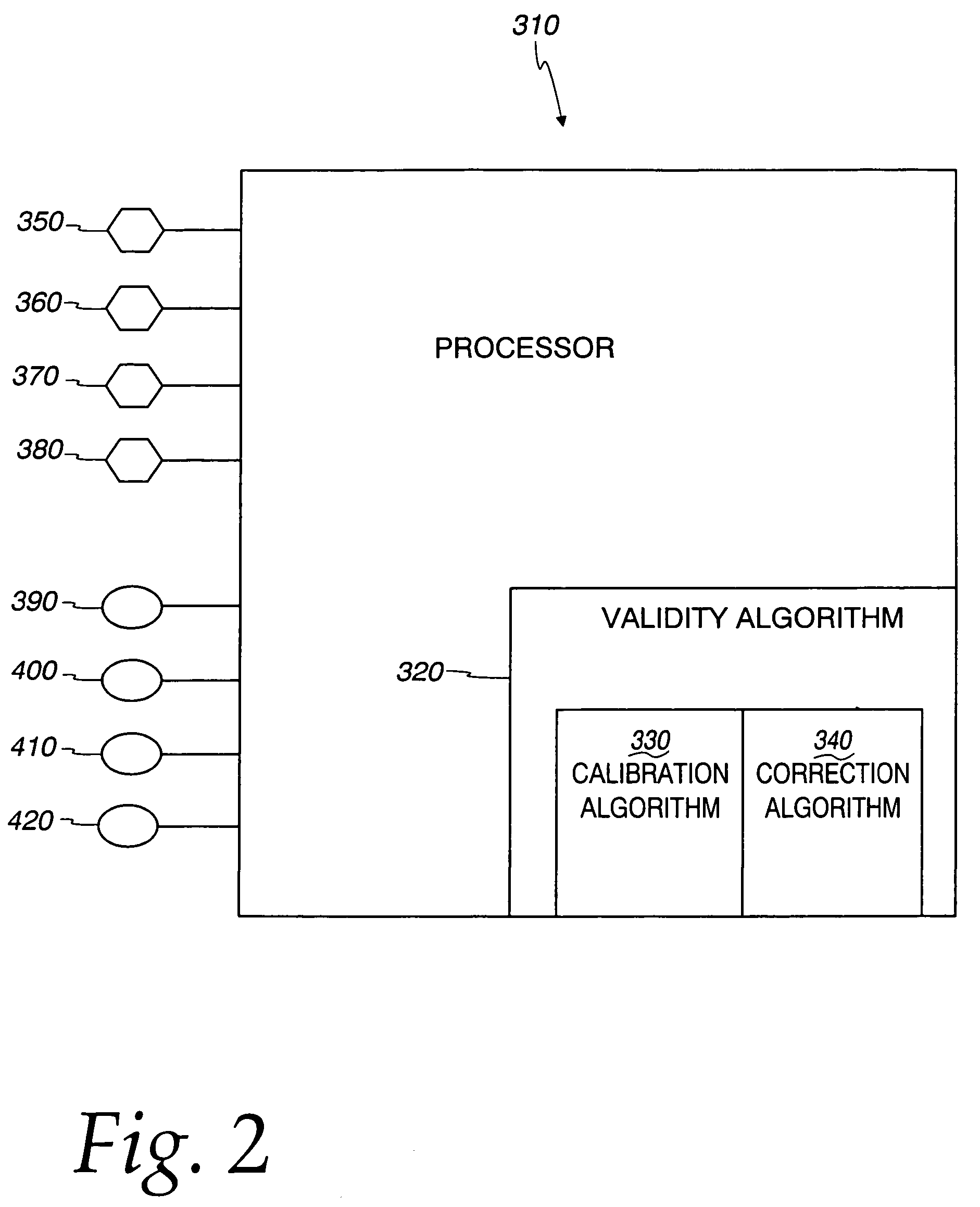
  • Figure 2
    Figure 2
  • Figure 3
    Figure 3
Patent Text Reader

Abstract

An enhanced touch-screen display system is disclosed for generating pixel coordinate estimates corresponding to a location on a display screen touched by a user. The system is an analog resistive touch-screen display system having a processor and associated software algorithms to allow for the calibration and validation of pixel coordinate estimates as an integral part of the real-time generation of the pixel coordinate estimates. Multiple calibrated pixel coordinate estimates are generated and processed at a pre-defined sampling rate to determine a valid pixel position to minimize sampling delays due to settling times. The x-axis position is also validated before the system attempts to generate a y-axis position to avoid the wasted time for generating y-axis estimates when x-axis estimates are corrupted. Noisy estimates are inherently reduced in the touch-screen display system by providing shunts across certain drivers in the system that also allow for detection of a “no touch” state.
Need to check novelty before this filing date? Find Prior Art

Description

BACKGROUND OF THE INVENTION

[0001] This disclosed embodiment relates to a touch-screen display system for generating pixel coordinate estimates responsive to a user touching (pressing a key on) a display screen, and more particularly relates to improving the efficiency of generating such pixel coordinate estimates through enhanced techniques of calibration and validation of the estimates.

[0002] In a typical touch-screen display system, an x-axis coordinate position is sampled and then a y-axis coordinate position is sampled to indicate a pixel location where a user has touched the display screen. If the samples are corrupted by noise or by drift of some parameter of the system, then these samples yield an incorrect indication of where the user has touched the display screen.

[0003] Typically, the system is controlled to insert timing delays into the sampling process to allow the various x-axis and y-axis drivers to settle out as they are switched back and forth between x and y so noisy e...

Examples

Embodiment Construction

[0032]The features of one embodiment enable improved efficiency in generating pixel coordinate estimates through enhanced techniques of calibration and validation of the estimates. As used in this specification and claims, a pixel coordinate estimate corresponds to that pixel position on the touch-screen display that is an estimate of where a user has touched the screen. This embodiment offers a more efficient approach to generating pixel coordinate estimates that minimizes delays, reduces corruption of estimates due to noise, enhances ESD protection, and eliminates the need for user-interactive calibration. The pixel coordinate estimates are characterized as digital signal values in a processor of the touch-screen display system. These digital signal values are generated, in part, from a set of analog voltage levels, sampled from analog resistive screens in the touch-screen display system, corresponding to the position of where a user has touched the display screen.

[0033]FIG. 1 is ...