

System and method for depth determination of cracks in conducting structures
a conducting structure and depth determination technology, applied in the field of non-destructive testing, can solve the problems of limited penetration depth into the material, inability to detect the probe, and poor readings
- Summary
- Abstract
- Description
- Claims
- Application Information
AI Technical Summary
Benefits of technology
Problems solved by technology
Method used
Image

Examples
Embodiment Construction
[0079]Before explaining at least one embodiment of the invention in detail, it is to be understood that the invention is not limited in its application to the details of construction and the arrangement of the components set forth in the following description or illustrated in the drawings. The invention is capable of other embodiments or of being practiced or carried out in various ways. Also, it is to be understood that the phraseology and terminology employed herein is for the purpose of description and should not be regarded as limiting.
[0080]The drawings are generally not to scale. For clarity, non-essential elements were omitted from some of the drawings. In discussion of the various figures described herein below, like numbers refer to like parts.
[0081]As used herein, an element or step recited in the singular and proceeded with the word “a” or “an” should be understood as not excluding plural elements or steps, unless such exclusion is explicitly recited.
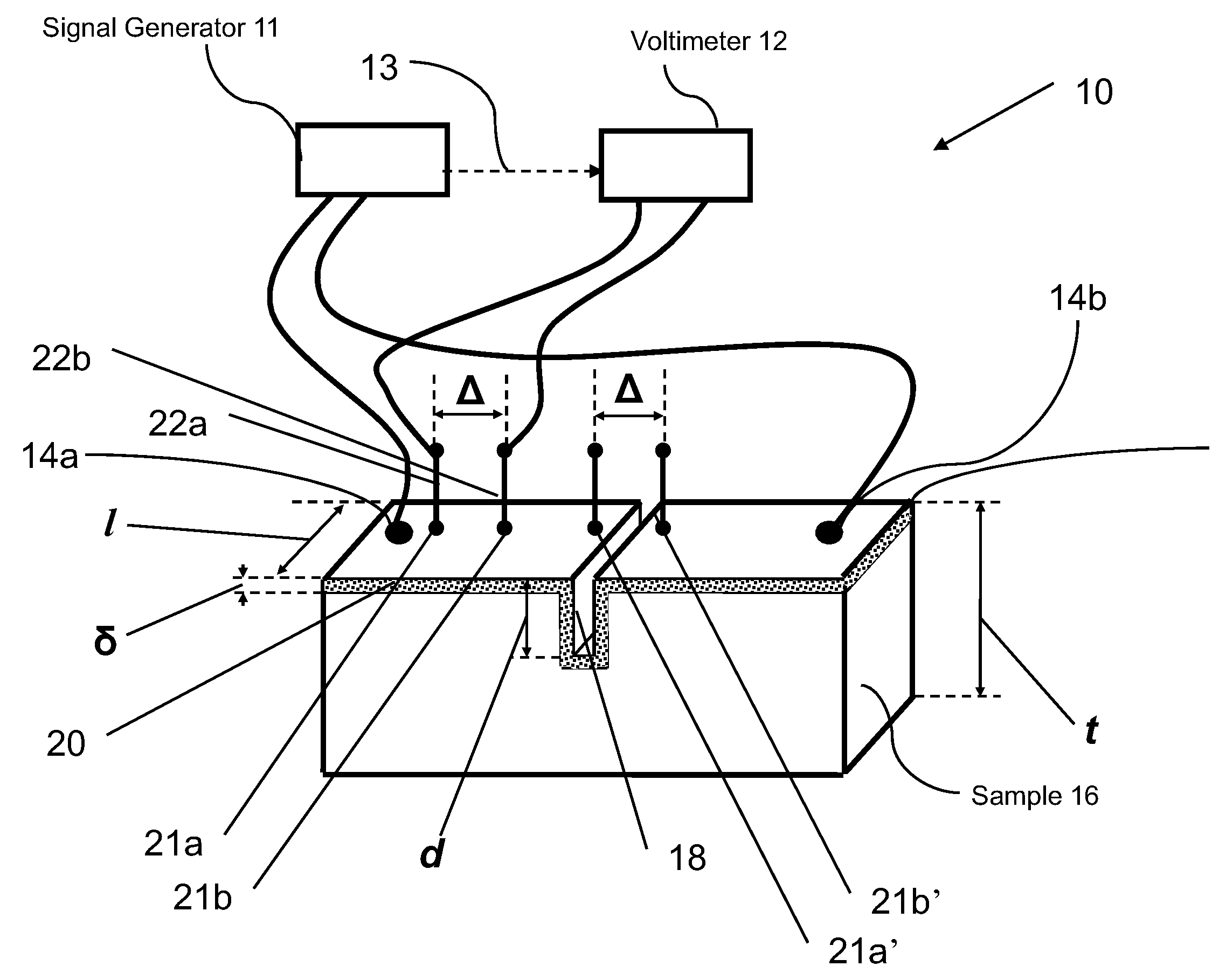
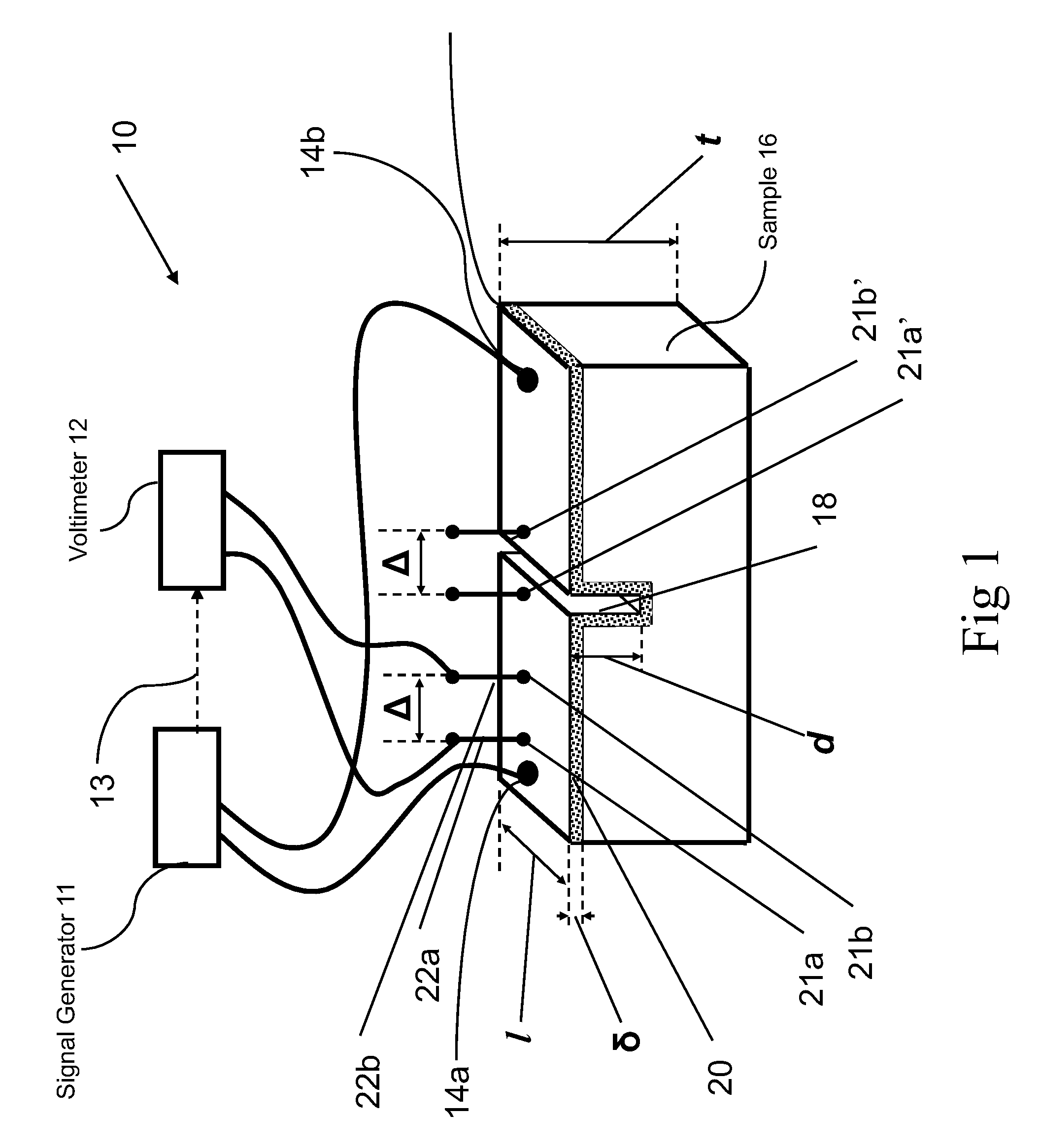
[0082]FIG. 1 schemat...
PUM
 Login to View More
 Abstract
Description
Claims
Application Information
 Login to View More