
Fe-based metal plate and method of manufacturing the same
a technology metal plates, which is applied in the direction of magnetic materials, solid-state diffusion coatings, magnetic bodies, etc., can solve the problems of high accumulation of [100] planes on the surface of fe-based metal plates such as silicon steel plates, and conventional techniques have difficulty in realizing stable high accumulation of [100] planes. , to achieve the effect of improving the magnetic flux density
Patent Information
- Authority / Receiving Office
- US · United States
- Patent Type
- Patents(United States)
- Current Assignee / Owner
- Publication Date
- 2014-12-16
Smart Images
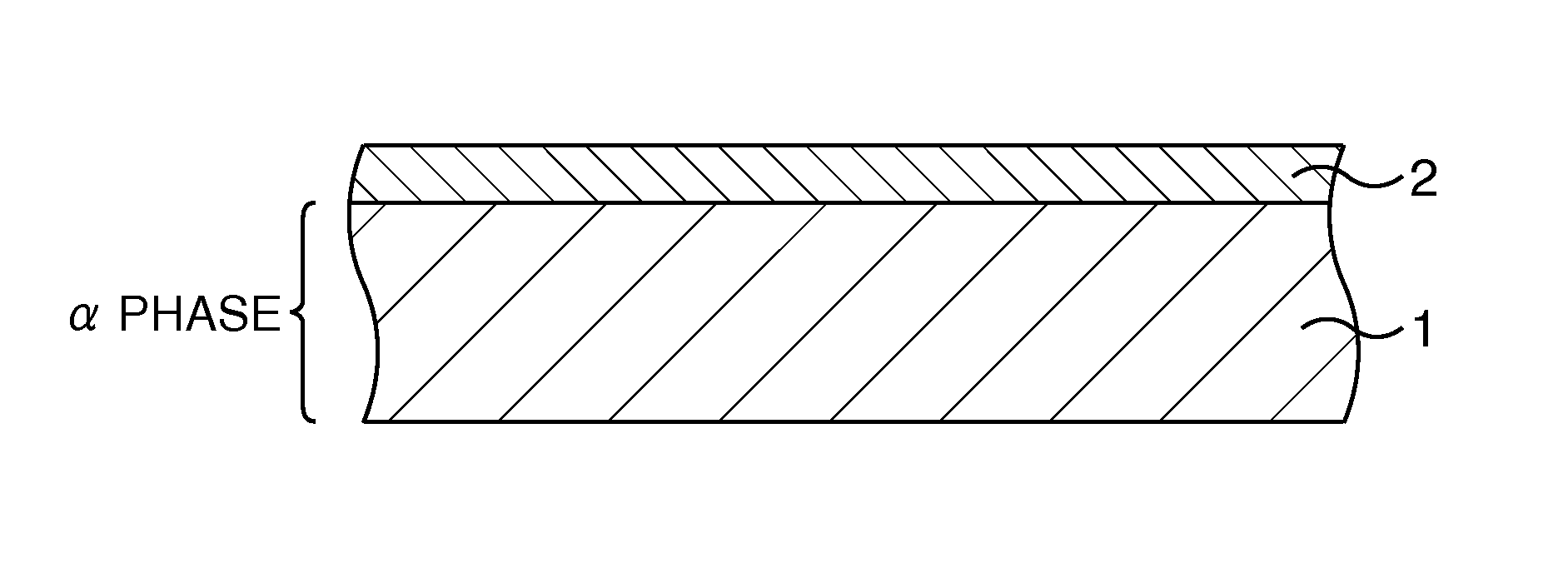
Figure 1 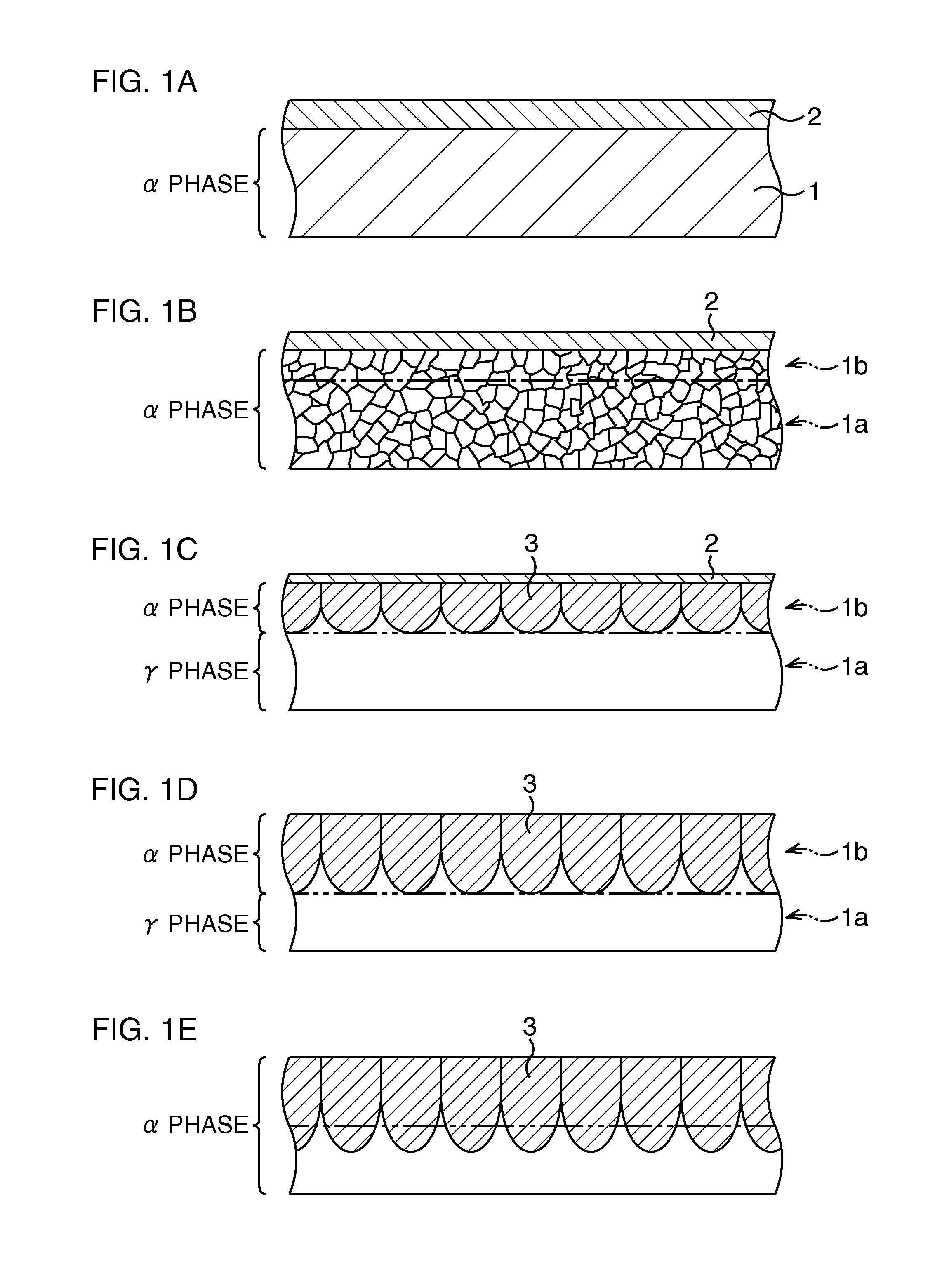
Figure 2 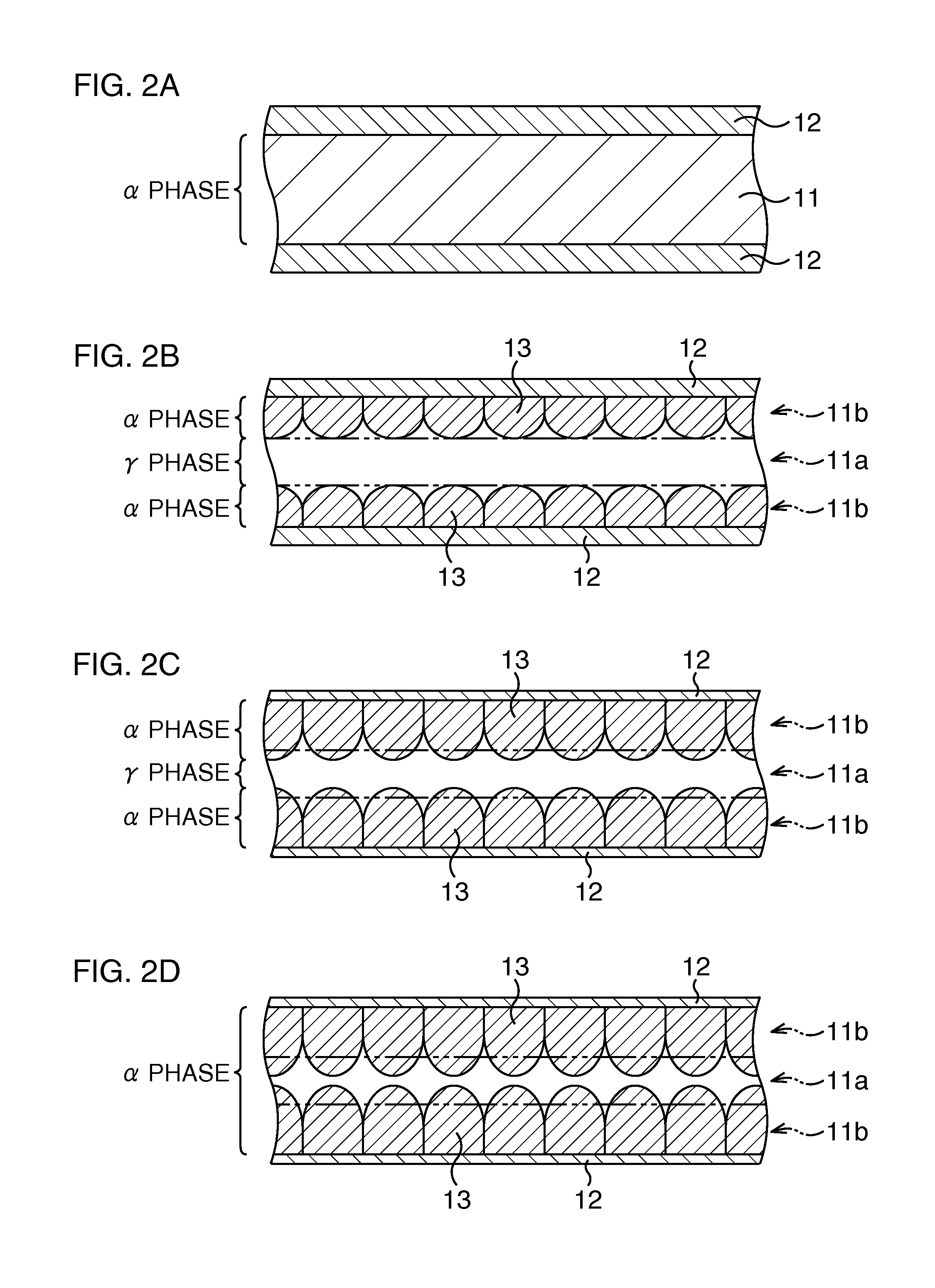
Figure 3
Abstract
Description
[0001] This application is a national stage application of International Application No. PCT / JP2010 / 069102, filed Oct. 27, 2010, which claims priority to Japanese Application No. 2009-248057, filed Oct. 28, 2009, the content of which is incorporated by reference in its entirety.TECHNICAL FIELD
[0002] The present invention relates to a Fe-based metal plate used for a magnetic core or the like and a method of manufacturing the same.BACKGROUND ART
[0003] Silicon steel plates have been conventionally used for magnetic cores of electric motors, power generators, transformers, and the like. A silicon steel plate used for a magnetic core is required to be small in magnetic energy loss (core loss) in an alternating magnetic field and to be high in magnetic flux density in practical magnetic fields. To realize these, it is effective to increase electric resistance and to accumulate <100> axes being a direction of easy magnetization of αFe, in a direction of a used magnetic field. Especially...
Examples
example
First Experiment
[0113]In a first experiment, correlations between 27 kinds of manufacturing conditions (condition No. 1-1 to condition No. 1-27) and an accumulation degree of {200} planes and an accumulation degree of {222} planes were studied.
[0114]Base metal plates used in the first experiment contained C: 0.0001 mass %, Si: 0.0001 mass %, Al: 0.0002 mass %, and inevitable impurities, with the balance being Fe. The base metal plates were fabricated in such manner that an ingot was produced by vacuum melting, followed by hot rolling and cold rolling. In the hot rolling, the ingot with a 230 mm thickness heated to 1000° C. was thinned to a 50 mm thickness, whereby a hot-rolled plate was obtained. Thereafter, plate materials different in thickness were cut out from the hot-rolled plate by machining, and the plate materials were subjected to the cold rolling with rolling reduction ratios listed in Table 1. Thicknesses of the obtained base metal plates (cold-rolled plates) are listed i...
second experiment
[0129]In a second experiment, six kinds of base metal plates different in composition were used, and various kinds of materials were used as the metal layers, and correlations between 73 kinds of conditions (condition No. 2-1 to condition No. 2-73) and an accumulation degree of {200} planes and an accumulation degree of {222} planes were studied.
[0130]Components contained in six kinds of the base metal plates used in the second experiment are listed in Table 3. The balance of the base metal plates was Fe and inevitable impurities. Table 3 also lists actually measured values of A3 points of the base metal plates. The base metal plates were fabricated in such a manner that an ingot was produced by vacuum melting, followed by hot rolling and cold rolling. In the hot rolling, the ingot with a 230 mm thickness heated to 1000° C. was thinned to a 50 mm thickness, whereby a hot-rolled plate was obtained. Thereafter, plate materials different in thickness were cut out from the hot-rolled pl...
third experiment
[0144]In a third experiment, six kinds of base metal plates different in composition were used, and various kinds of materials were used as the metal layers, and correlations between 42 kinds of conditions (condition No. 3-1 to condition No. 3-42) and an accumulation degree of {200} planes and an accumulation degree of {222} planes were studied.
[0145]Components contained in six kinds of the base metal plates used in the third experiment are listed in Table 8. The balance of the base metal plates was Fe and inevitable impurities. Table 8 also lists actually measured values of A3 points of the base metal plates. The base metal plates were fabricated in such a manner that an ingot was produced by vacuum melting, followed by hot rolling and cold rolling. In the hot rolling, the ingot with a 230 mm thickness heated to 1000° C. was thinned to a 50 mm thickness, whereby a hot-rolled plate was obtained. Thereafter, plate materials different in thickness were cut out from the hot-rolled plat...