
Method for cleaning and sterilizing pipe cavity type instruments
A technology for cleaning and disinfecting lumen, applied in the field of disinfection and cleaning of lumen instruments, can solve problems such as affecting the accuracy of diagnosis or treatment results, not suitable for cleaning and disinfection of lumen instruments, and breeding of bacteria, etc., and achieves broad application prospects. and research value effects
- Summary
- Abstract
- Description
- Claims
- Application Information
AI Technical Summary
Problems solved by technology
Method used
Image

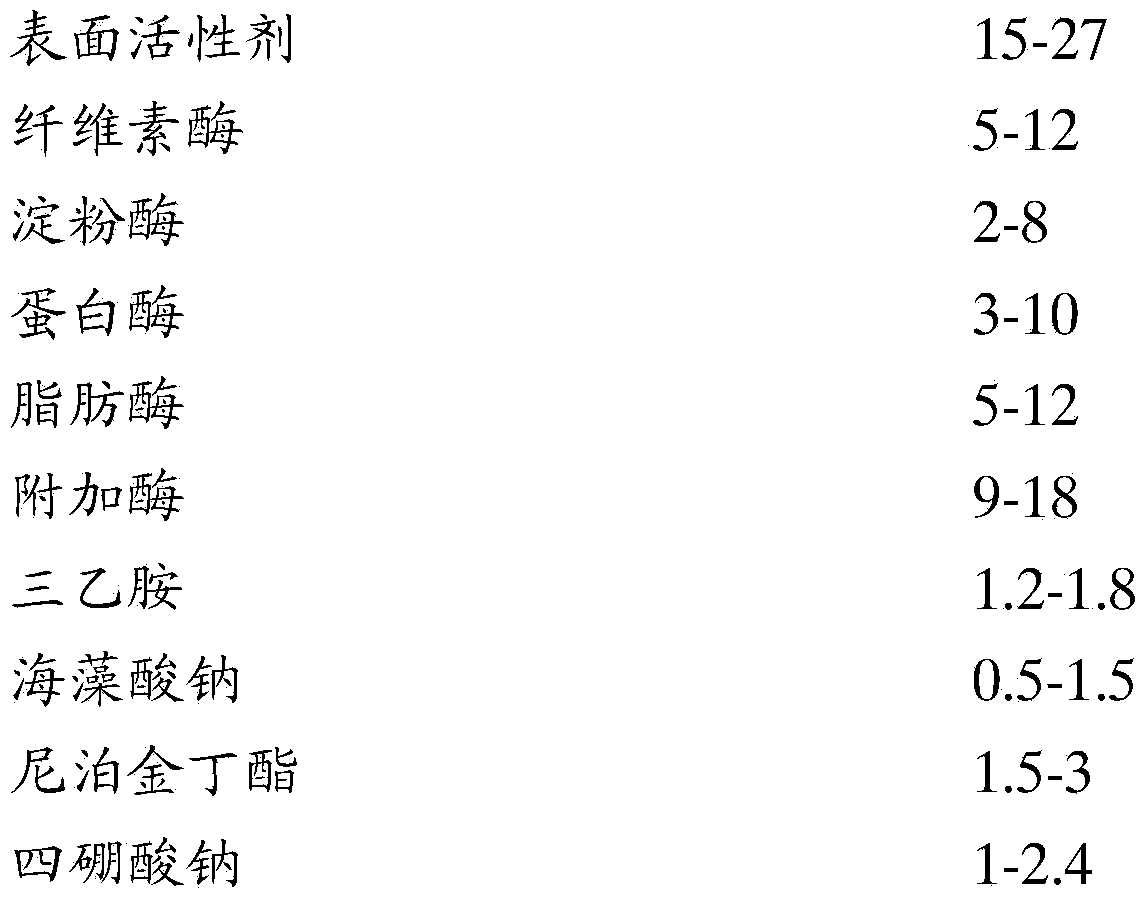
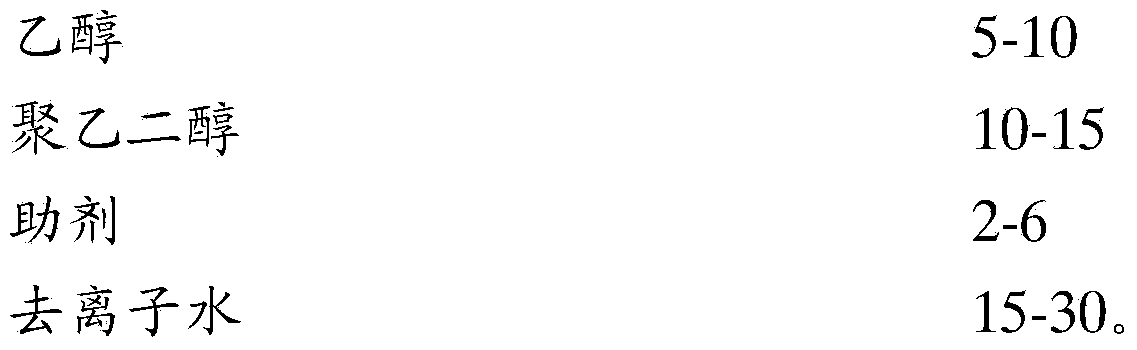
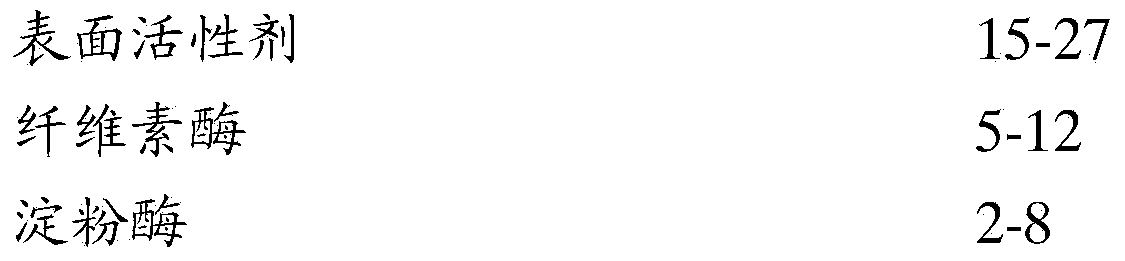
Examples
Embodiment 1
[0051] Weigh 5g decyl glucoside, 5g cetyl dimethyl betaine, 5g sodium lauryl polyoxyethylene ether sulfate, 8g cellulase, 4g amylase, 6g protease, 10g lipase, 4g lipoxygen Synthase, 4g xylanase, 4g lysozyme, 1.5g triethylamine, 1g sodium alginate, 2g butylparaben, 2.2g sodium tetraborate, 8g ethanol, 12g PEG-400, 2g caryophyllene, 2g Trishydroxymethylnitromethane and 20g of deionized water were then prepared as follows.
[0052] (A) at room temperature, add ethanol and polyethylene glycol to butylparaben, and stir to obtain a mixed solution;
[0053] (B) Add decyl glucoside, cetyl dimethyl betaine, and sodium lauryl polyoxyethylene ether sulfate to the mixed solution obtained in step (A) and mix well, then add deionized water and heat up to 50 ℃ Stir to dissolve;
[0054] (C) adding triethylamine, sodium alginate, sodium tetraborate to the mixed solution obtained in step (B) and uniformly mixing;
[0055] (D) adding caryophyllene and trimethylolnitromethane to the mixed sol...
Embodiment 2
[0058] Weigh 8g decyl glucoside, 8g cetyl dimethyl betaine, 8g sodium lauryl polyoxyethylene ether sulfate, 12g cellulase, 6g amylase, 8g protease, 8g lipase, 5g lipoxygen Synthase, 5g xylanase, 5g lysozyme, 1.2g triethylamine, 1.2g sodium alginate, 3g butylparaben, 2g sodium tetraborate, 10g ethanol, 15g PEG-600, 3g caryophyllene, 3g trimethylolnitromethane and 25g of water, then prepare as follows.
[0059] (A) at room temperature, add ethanol and polyethylene glycol to butylparaben, and stir to obtain a mixed solution;
[0060] (B) Add decyl glucoside, cetyl dimethyl betaine, and sodium lauryl polyoxyethylene ether sulfate to the mixed solution obtained in step (A) and mix well, then add deionized water and heat up to 50 ℃ Stir to dissolve;
[0061] (C) adding triethylamine, sodium alginate, sodium tetraborate to the mixed solution obtained in step (B) and uniformly mixing;
[0062] (D) adding caryophyllene and trimethylolnitromethane to the mixed solution obtained in st...
Embodiment 3
[0065] Weigh 9g decyl glucoside, 9g cetyl dimethyl betaine, 9g sodium lauryl polyoxyethylene ether sulfate, 6g cellulase, 7g amylase, 10g protease, 12g lipase, 6g lipoxygen Synthase, 6g xylanase, 6g lysozyme, 1.8g triethylamine, 1.5g sodium alginate, 2.5g butylparaben, 2.4g sodium tetraborate, 9g ethanol, 15g PEG-1000, 3g caryophyllene , 3g of trimethylolnitromethane and 30g of deionized water, and then prepare as follows.
[0066] (A) at room temperature, add ethanol and polyethylene glycol to butylparaben, and stir to obtain a mixed solution;
[0067] (B) Add decyl glucoside, cetyl dimethyl betaine, and sodium lauryl polyoxyethylene ether sulfate to the mixed solution obtained in step (A) and mix well, then add deionized water and heat up to 50 ℃ Stir to dissolve;
[0068] (C) adding triethylamine, sodium alginate, sodium tetraborate to the mixed solution obtained in step (B) and uniformly mixing;
[0069] (D) adding caryophyllene and trimethylolnitromethane to the mixed ...
PUM
 Login to View More
 Abstract
Description
Claims
Application Information
 Login to View More