
Method and device for storing and reading data
A technology for data storage and data reading, which is applied in the storage field and can solve problems such as the complexity of the data storage process
Patent Information
- Authority / Receiving Office
- CN · China
- Patent Type
- Applications(China)
- Current Assignee / Owner
- Publication Date
- 2015-11-25
Smart Images
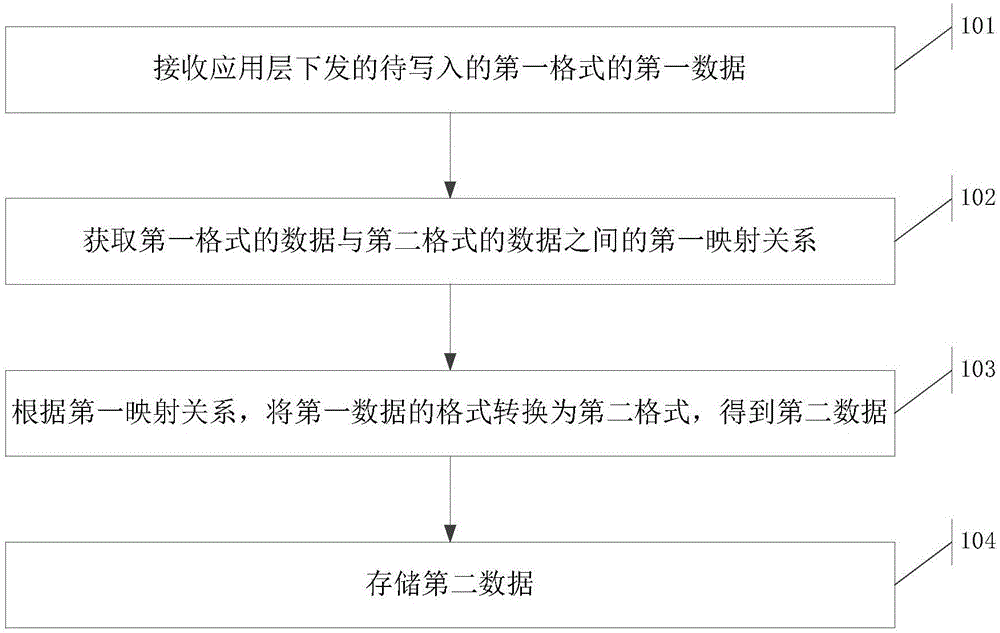
Figure 1 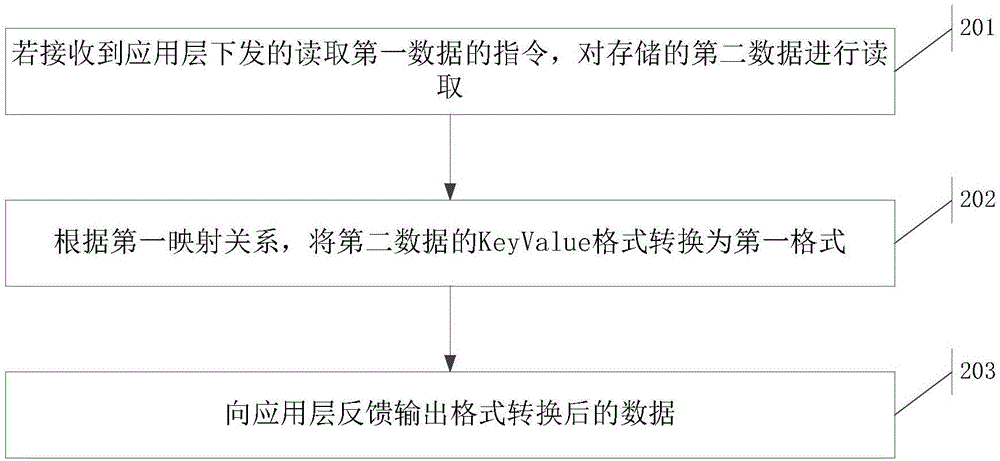
Figure 2 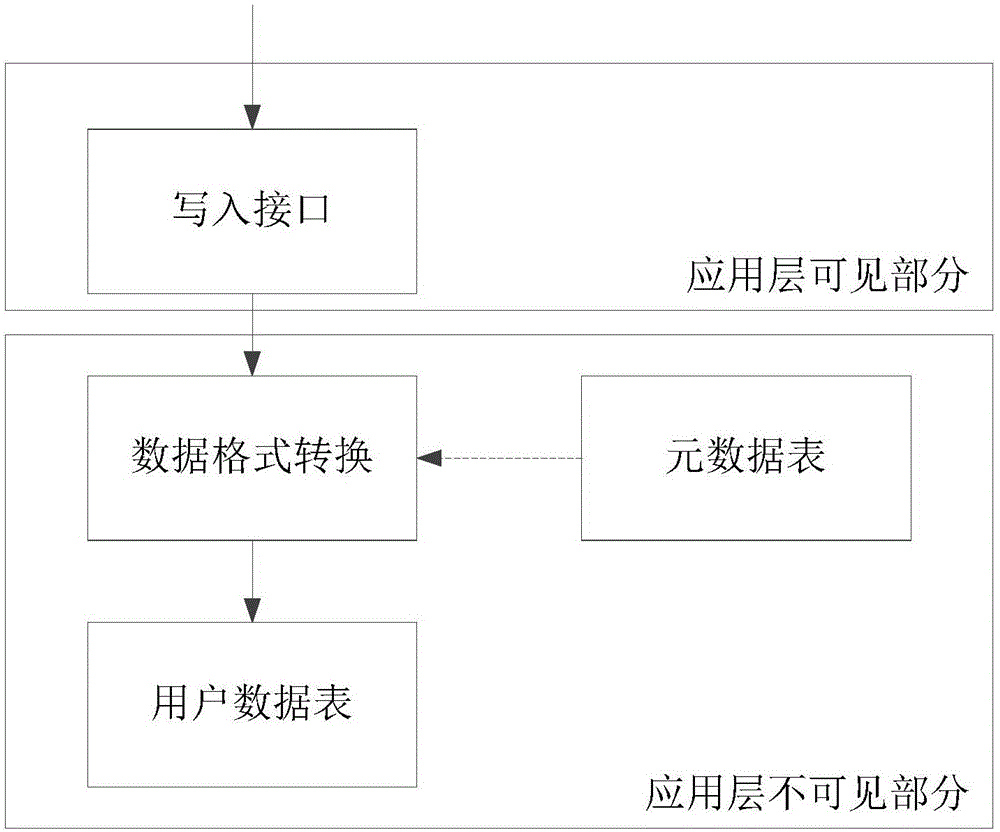
Figure 3
Abstract
Description
technical field
[0001] The invention relates to the field of storage technology, in particular to a data storage and reading method and device. Background technique
[0002] In a distributed database, data is generally stored in the form of KeyValue (key-value). Among them, the Key part is used to uniquely identify a row of data, and is also information used to quickly retrieve data. For example, by searching the Key of a data, the data can be searched. The Key part is usually a specific structure defined by the user. The Value part is used to store the actual data. It can be considered that Key is an identification information used to distinguish different data, and the value part stores the real data content.
[0003] When using the KeyValue format to store data, there can be different storage methods. For example, if only one Value is stored in one row, then if one data includes multiple Values, it may be divided into multiple rows for storage. This storage method can ...
Examples
example 1
[0107] KeyValue distributed database can be used to store web page information. For example, Key can be used to store the URL (UniformResoureLocator, Uniform Resource Locator) of the webpage, and the actual content of the webpage indicated by the URL can be stored in the Value part, as follows:
[0108]Key(URL)->Value(PageContent(page content))
example 2
[0110] KeyValue distributed database can be used to store some basic information of users.
[0111] Suppose the user's basic information contains the following fields:
[0112] {ID (Identity, identification number), Name (name), Address (address), Age (age), Gender (sex), Phone (telephone), Education (education)}
[0113] When using the KeyValue distributed database to store the basic information, the ID can be used as the content of the Key part, and the others can be used as the content of the Value part. And it can be considered that the basic information contains multiple Values, that is, Name, Address, Age, Gender, Phone, and Education can be regarded as a Value respectively. When storing this type of information, a row of data records in the KeyValue distributed database may include only one Value, or may include multiple Values. If a row of data records includes only one Value, then such information may be stored in multiple rows, and if a row of data records includes...
example 3
[0126] Assume that the initial basic information of a user includes the following fields:
[0127] {ID, Name, Address, Age, Gender, Phone, Education}
[0128] According to the format that a row of data records includes a Value, the basic information is stored in the KeyValue distributed database, and the specific storage method is as described above.
[0129] After a period of time, the user adds another attribute to the basic information, that is, adds a field, which is Company (company). At this point, the basic information becomes:
[0130] {ID, Name, Address, Age, Gender, Phone, Education, Company}
[0131] At this point, you only need to add a new row of data records for the basic information in the KeyValue distributed database. The added row of data records is as follows:
[0132] Key(ID)->Value(Company)
[0133] Added content has no effect on existing data records.
[0134] Generally speaking, each row of data records in the KeyValue distributed database (in the e...