
a generator
A generator and electrode technology, applied in the direction of friction generators, electromechanical devices, electrical components, etc., can solve the problems of low impact energy and small output charge
- Summary
- Abstract
- Description
- Claims
- Application Information
AI Technical Summary
Problems solved by technology
Method used
Image

Examples
Embodiment
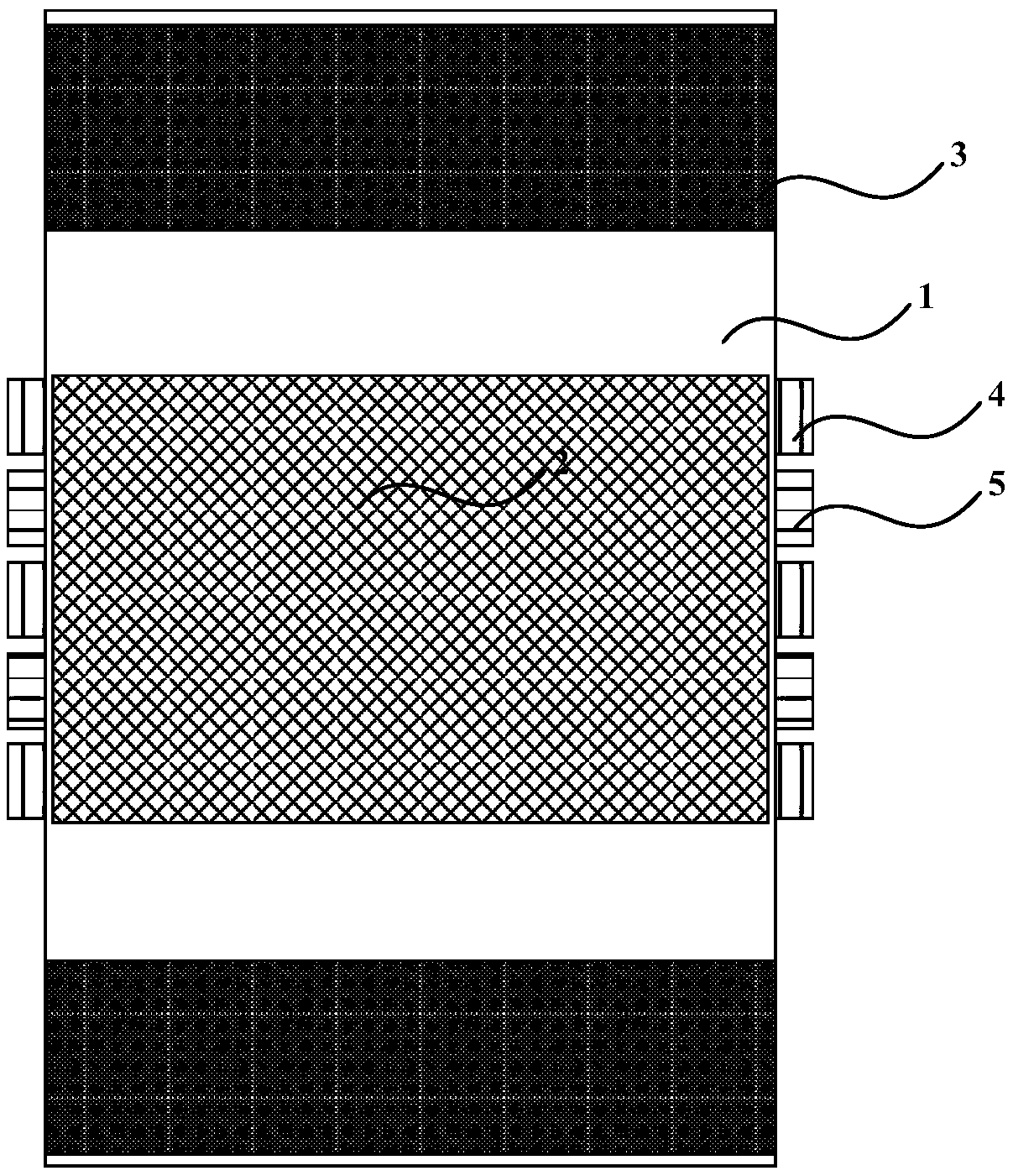
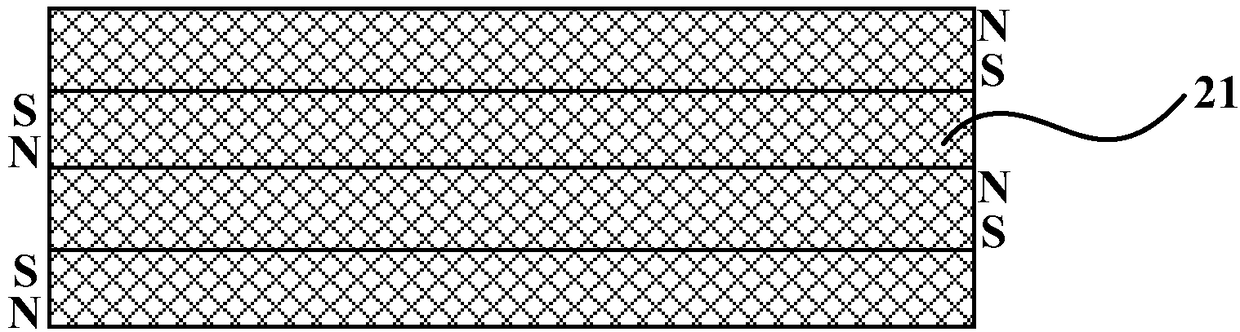
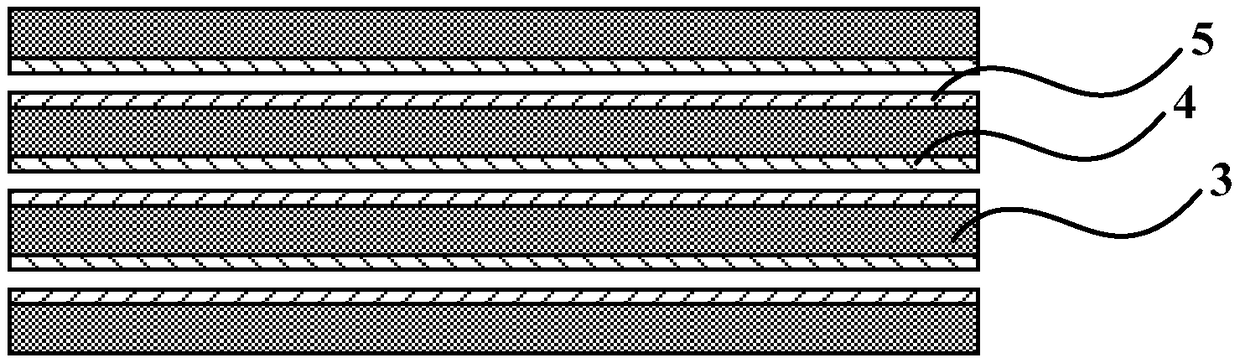
[0027] In order to solve the problems of the existing triboelectric nanogenerators that collect less impact energy and output a smaller amount of charge, an embodiment of the present invention provides a generator, such as figure 1 As shown, it is a longitudinal section view of the generator structure described in the embodiment of the present invention. Specifically, by figure 1 It can be seen that the generator may include a body 1 with a cavity, a mass 2, an elastic member 3, a first electrode 4 and a second electrode 5, wherein:
[0028] The mass block 2 is arranged in the cavity of the body 1 and can be used to strike the body 1 and the elastic member 3 under the action of an external force;
[0029] The body 1 can be used to rub against the mass block 2 when the mass block 2 hits the body 1;
[0030] The two elastic parts 3 are respectively arranged at two ends facing each other in the cavity of the body 1 (such as figure 1 The top end and the bottom end shown in ) ar...
PUM
 Login to View More
 Abstract
Description
Claims
Application Information
 Login to View More