Vertebral fusion mechanism approached through minimally invasive pathway

A vertebral body and pathway technology, applied in prosthetics, spinal implants, medical science, etc., can solve problems such as uncontrollable contact area of ​​upper and lower vertebral bodies, bone graft space affecting the fusion effect of upper and lower vertebral bodies, and uncontrollable shape. To achieve the effect of facilitating postoperative recovery, less trauma, and preventing posterior movement
CN107049565AActive Publication Date: 2017-08-18NINGBO HICREN BIOTECH

Patent Information

Authority / Receiving Office
CN · China
Patent Type
Applications(China)
Current Assignee / Owner
NINGBO HICREN BIOTECH
Publication Date
2017-08-18

Smart Images

  • Figure 1
    Figure 1
  • Figure 2
    Figure 2
  • Figure 3
    Figure 3
Patent Text Reader

Abstract

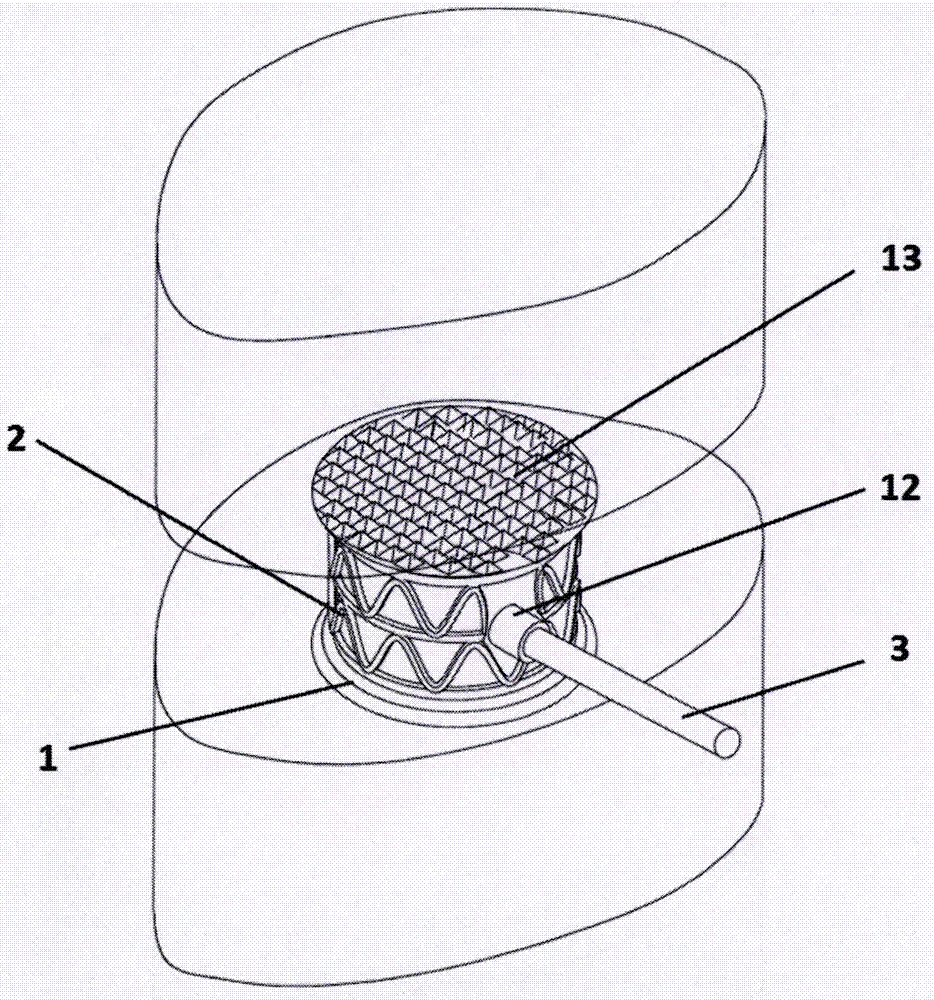
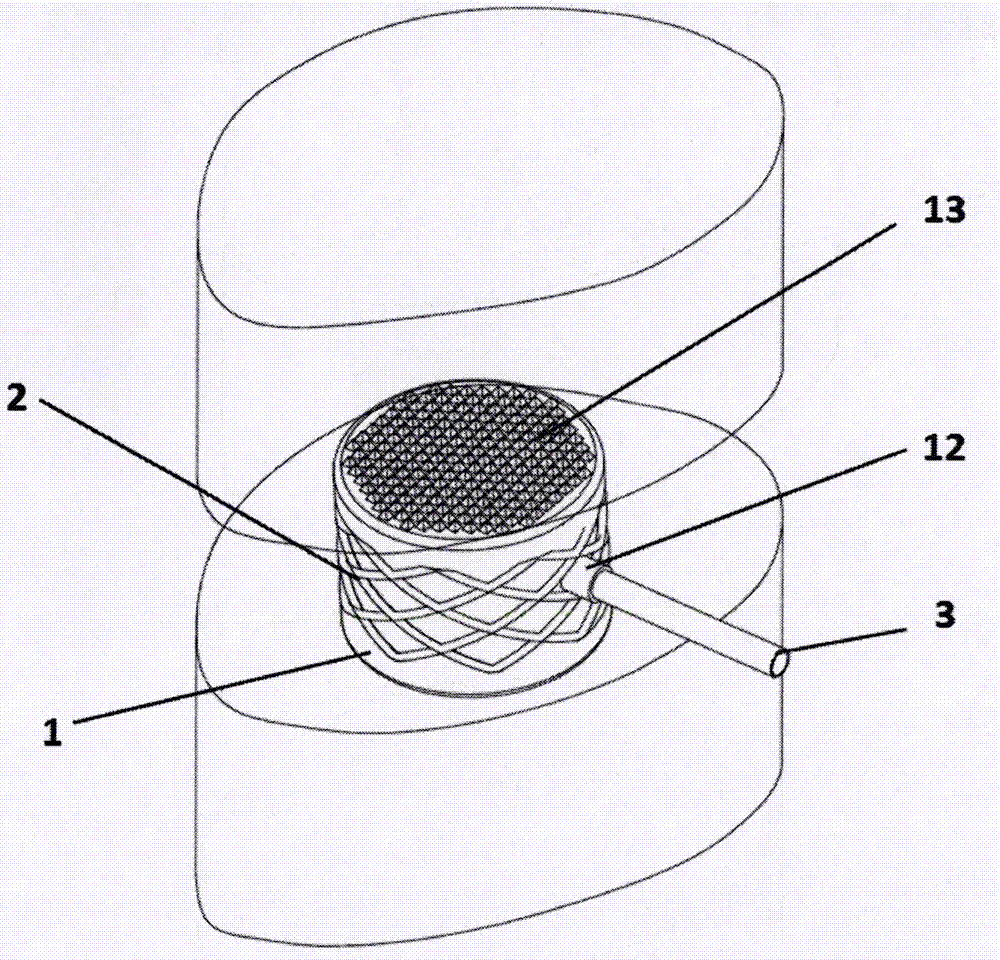
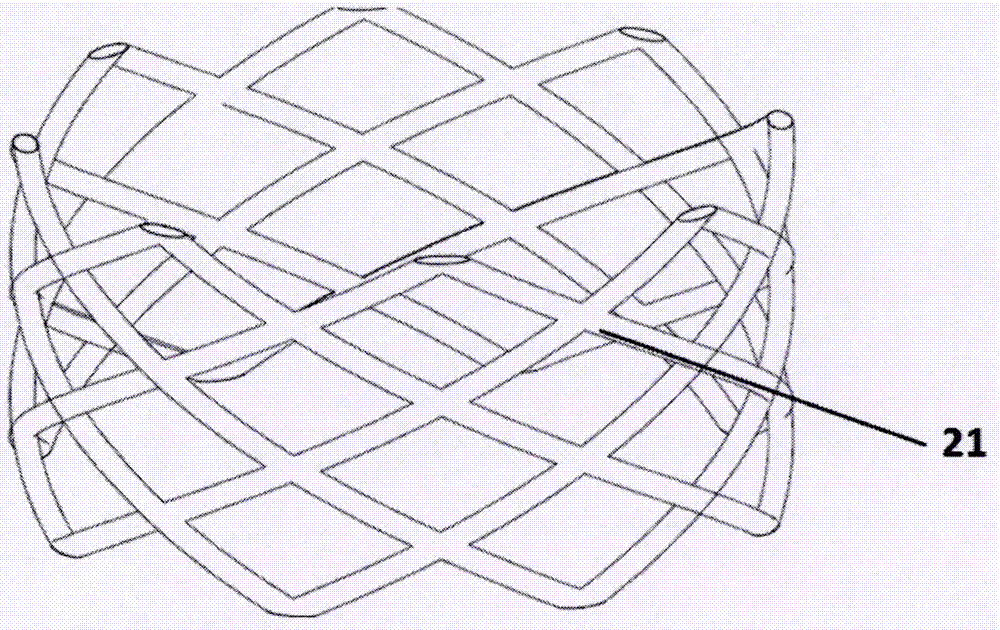
The invention relates to a vertebral fusion mechanism approached through a minimally invasive pathway. The vertebral fusion mechanism comprises a bag and a supporting material, wherein the bag can be folded or contracted; an injection port is formed in one end of the bag; the supporting material is injected into the bag from the injection port; the bag, which is under a full state, is represented as a columnar structure; the surfaces, getting into contact with upper and lower vertebral bodies, of the bag are vertebral body contact surfaces; a contractible limiting mechanism is arranged in a circumferential direction of the bag; the contractible limiting mechanism is less than or identical to the bag under the natural full state in diameter; and a cross section, perpendicular to the vertebral body contact surfaces, of the bag is represented as a transverse H-shaped structure or a rectangular structure when the bag is implanted into an intervertebral disc and the supporting material is injected. The problem of a fusion cage, which cannot control contact areas with upper and lower vertebral bodies, causes influence to a fusion effect of the upper and lower vertebral bodies since a bone grafting space is too small is solved; and the fusion mechanism can adapt to height of an intervertebral space in a non-level mode and can control the contact areas with the upper and lower vertebral bodies.
Need to check novelty before this filing date? Find Prior Art

Description

technical field

[0001] The invention relates to the field of spinal intervertebral fusion, in particular to a vertebral body fusion mechanism via a minimally invasive approach. Background technique

[0002] Degenerative diseases of the spine and its structural damage are an important cause of neck, shoulder, waist, and leg pain, sensory and motor function impairment or even loss. In the 1950s, Cloward first proposed Posterior Lumbar Fusion (PLIF), which has developed into one of the basic procedures of spinal surgery today. In 1986, Badgy and Kuslich designed an intervertebral fusion device (Cage) suitable for the human body, namely the BAK system. Since then, intervertebral bone graft fusion technology has been greatly developed and has become a basic surgical method for the treatment of spinal degenerative diseases and structural injuries.

[0003] The principle of the intervertebral fusion device is centered on the diseased intervertebral space. After the intervertebral...

Claims

the structure of the environmentally friendly knitted fabric provided by the present invention; figure 2 Flow chart of the yarn wrapping machine for environmentally friendly knitted fabrics and storage devices; image 3 Is the parameter map of the yarn covering machine
Login to View More