
Multi-rotor aircraft yaw anti-saturation control method and multi-rotor aircraft
A multi-rotor aircraft and control method technology, which is applied in the field of multi-rotor aircraft and its yaw anti-saturation control, can solve the problems of actuator saturation, etc., and achieve the effects of enhancing robustness, suppressing saturation, and suppressing yaw anti-saturation Effect
- Summary
- Abstract
- Description
- Claims
- Application Information
AI Technical Summary
Problems solved by technology
Method used
Image

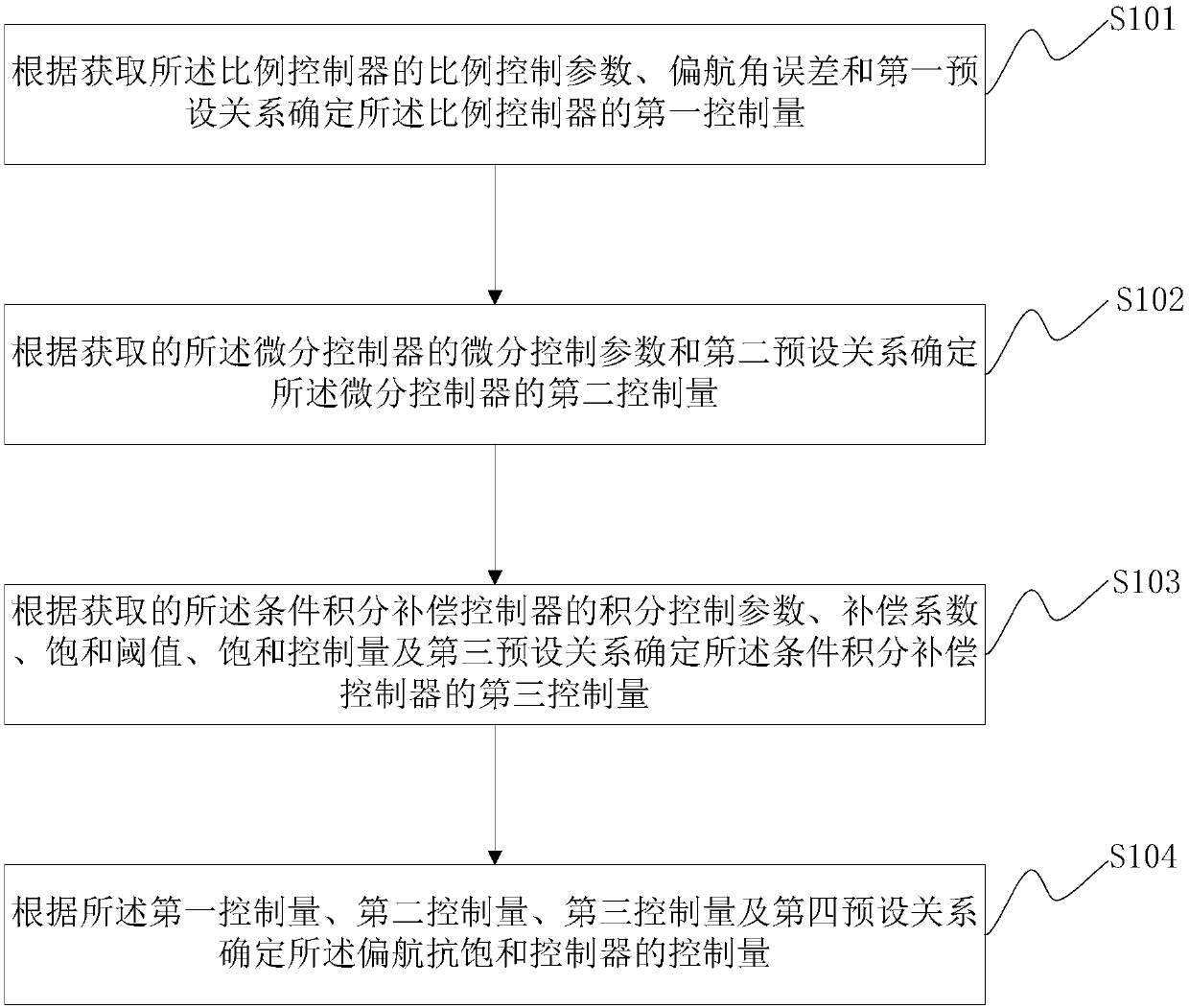
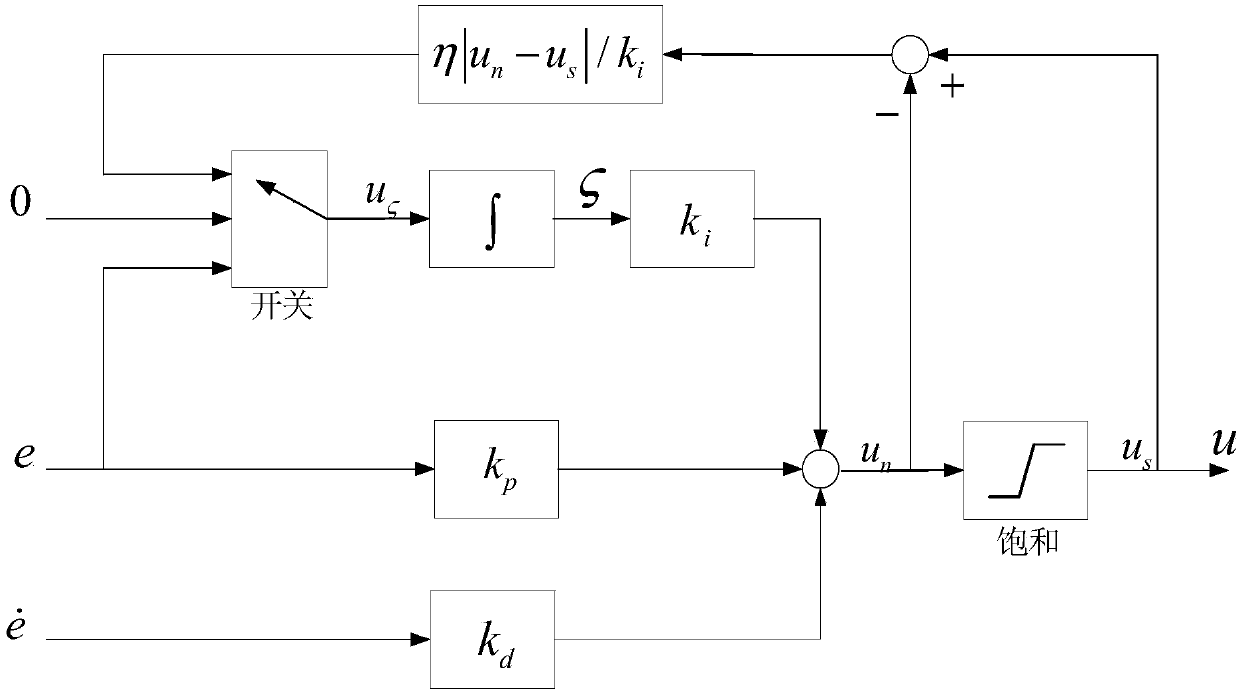
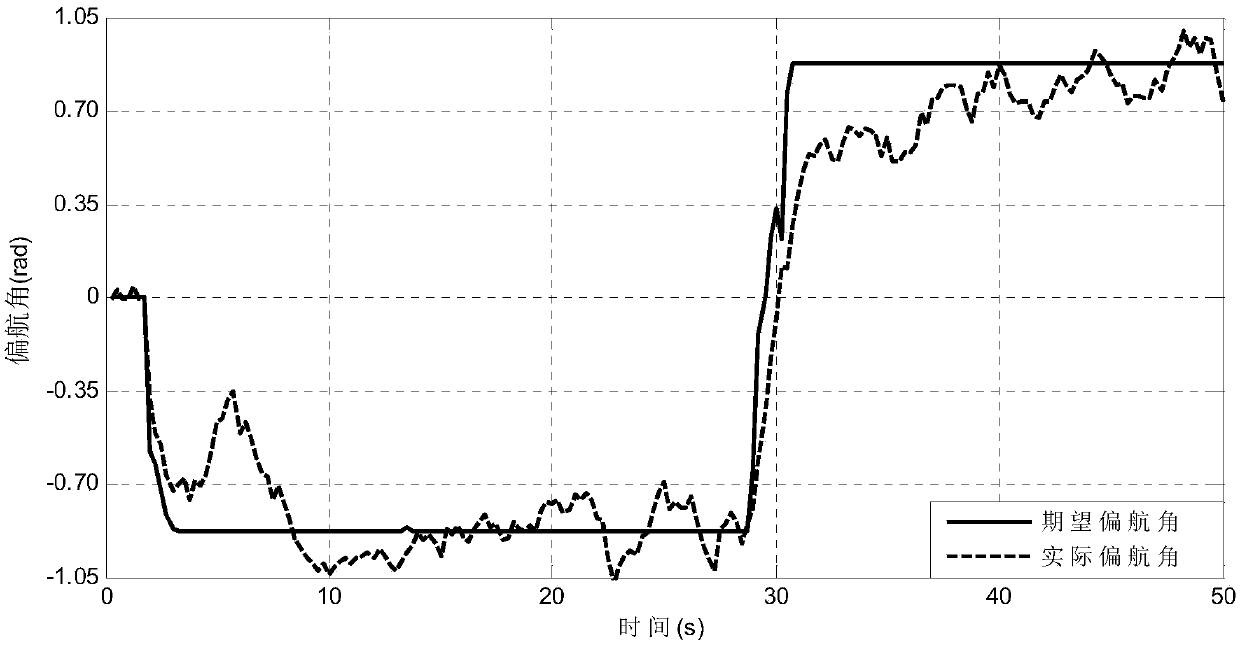
Examples
Embodiment Construction
[0044] In order to enable those skilled in the art to better understand the solutions of the present invention, the following will clearly and completely describe the technical solutions in the embodiments of the present invention in conjunction with the drawings in the embodiments of the present invention. Obviously, the described embodiments are only It is an embodiment of a part of the present invention, but not all embodiments. Based on the embodiments of the present invention, all other embodiments obtained by persons of ordinary skill in the art without making creative efforts shall fall within the protection scope of the present invention.
[0045] The terms "first", "second", "third", "fourth", etc. (if any) in the description and claims of the present invention and the above drawings are used to distinguish similar objects, and not necessarily Used to describe a specific sequence or sequence. It is to be understood that the terms so used are interchangeable under app...
PUM
 Login to View More
 Abstract
Description
Claims
Application Information
 Login to View More