
Closed-type treatment device for metal pieces
A processing device and a closed technology, applied in the direction of metal material coating process, etc., to avoid corrosion, improve processing efficiency, and shorten processing time
- Summary
- Abstract
- Description
- Claims
- Application Information
AI Technical Summary
Problems solved by technology
Method used
Image

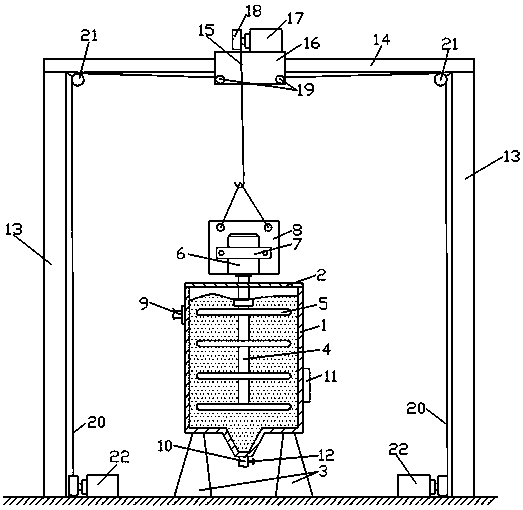
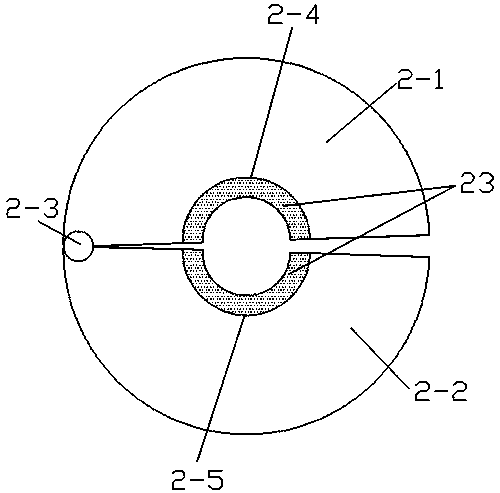
Examples
Embodiment Construction
[0018] In order to make the technical problems, technical solutions and beneficial effects solved by the present invention clearer, the present invention will be further described in detail below in conjunction with the accompanying drawings and embodiments. It should be understood that the specific embodiments described here are only used to explain the present invention, not to limit the present invention.
[0019] In the description of the present invention, it should be understood that the terms "one side", "the other side", "both sides", "middle", "inside", "upper end", "lower end", "upper" , "lower", "top" and other indicated orientations or positional relationships are based on the orientations or positional relationships shown in the drawings, and are only for the convenience of describing the present invention and simplifying the description, rather than indicating or implying that the referred device or element must Having a particular orientation, being constructed ...
PUM
 Login to View More
 Abstract
Description
Claims
Application Information
 Login to View More